
Lieferung heute & morgen

Qualitätsgarantie

Willkommens-Angebote freischalten: KOSTENLOSE Lieferung | Bis zu 80 % RABATT | Kostenlose 30-Tage-JoyPlus-Testphase
App herunterladen
If you’re looking to buy Korean soju online, you’ll find a wide selection in no time: fruity soju in peach, grape, lychee, watermelon and blueberry flavours, as well as classic varieties and Korean rice wine. The bottles often look similar, but can differ significantly in alcohol content, ingredients, volume and storage requirements.
It’s worth checking the product details carefully before you buy. That way, you can avoid choosing a bottle that’s too sweet, too strong or unsuitable for the occasion.
Many fruity varieties contain 12 or 13 per cent alcohol, which makes them taste milder than classic soju. That doesn’t mean they’re alcohol-free or only mildly alcoholic, though. A 360-ml bottle at 12% vol. contains approximately 43.2 ml of pure alcohol.
Bottle sizes also vary. For example, the range includes 350 ml soju and 360 ml soju. The difference may seem small, but when you’re buying several bottles for a party, it can affect the total volume. If you need a specific amount, check the stated net volume rather than relying on the shape of the bottle.
Korean fruit soju may contain flavourings, fruit concentrate, sweeteners or a combination of these. Names such as ‘peach’, ‘grape’ or ‘lychee’ therefore describe the flavour first and foremost. Ingredients such as sugar, glucose-fructose syrup, sucralose or erythritol can also influence the taste.
It’s a good idea to compare the ingredients list with your own preferences. If you’re after a clear, sweet flavour, try peach soju or lychee soju. If you prefer something less sweet, consider a classic variety or a product with a more neutral flavour profile.
Soju is often served well chilled, particularly the fruity varieties. Before opening, many products can be kept in a cool, dry place away from direct sunlight. Once opened, it’s a good idea to store many varieties in the fridge.
Makgeolli, or Korean rice wine, is quite different in this respect. Bottles may contain fermented ingredients, so store them according to the label instructions and shake gently before serving. Always follow the best-before date and the instructions on the packaging.
Alcohol content is shown as alcohol by volume (% vol.). Fruity varieties such as OPPA Watermelon, OPPA Lychee and ChumChurum Green Grape contain 12%. Jinro Peach is available at 13% vol. Classic ChumChurum Original Soju contains 16.5% vol., according to the product details.
By comparison, makgeolli rice wine can contain 3%, 5% or 6%, depending on the product. However, a lower alcohol content doesn’t automatically mean a different taste or fewer calories. Check the ingredients and nutritional information separately.
The soju bottles in the range typically contain 350 ml or 360 ml. One bottle may be enough for a tasting or a small get-together. For larger gatherings, multipacks such as OPPA Green Grapes, with 20 × 360 ml, can be more practical, as long as the quantity suits the occasion.
Makgeolli is often sold in 750-ml bottles. These products are usually intended for sharing and need particular care when storing them after opening.
Some products contain grains such as barley, rice or wheat. For example, barley is listed in Lotte Chum Churum Soju Saero 16%. According to the product details, Kooksoondang Makgeolli may contain wheat, a gluten-containing grain. Allergen information can change if the recipe is updated, so always check the label on the bottle you receive.
Alcoholic drinks are for adults of legal drinking age only. Do not drink during pregnancy, before driving or while operating machinery. Please enjoy responsibly.
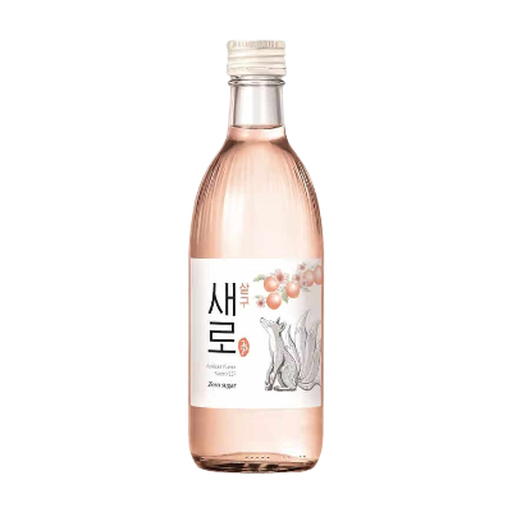
Why it suits this need: This apricot variety combines 12% vol. with a handy 360-ml bottle and a clearly stated fruity flavour.
The product details clearly list the alcohol content, volume and ingredients. This makes it easy to compare the bottle with other varieties before you buy.
12.0% vol.; 360 ml; apricot concentrate and apricot flavouring, according to the product description.
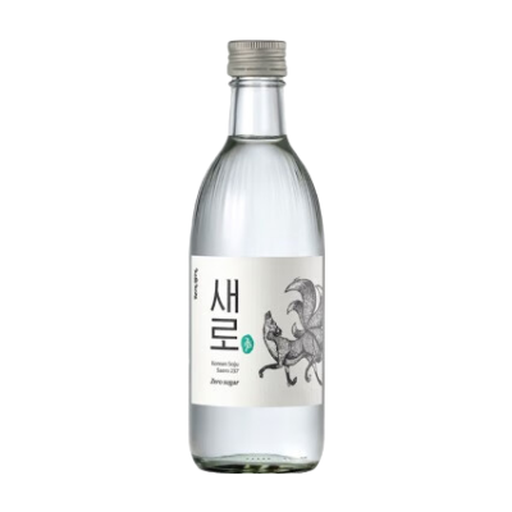
Why it suits this need: This classic variety is for buyers looking for a higher alcohol content and a less fruity flavour profile.
The product details explicitly state 16.0% vol. This helps you avoid mistaking a milder fruit soju for classic soju.
16.0% vol.; 360 ml; ingredients, including barley alcohol and sweeteners, are listed.
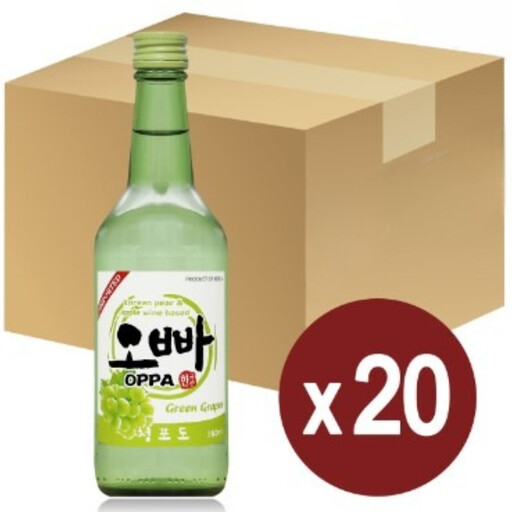
Why it suits this need: This multipack is designed for larger celebrations or regular use, and offers the same flavour in every bottle.
The pack size is clearly stated, making it easier to plan how much you need instead of combining several individual orders of different varieties.
20 bottles, each containing 360 ml; green grape flavour; ideal served chilled or used in a mix.
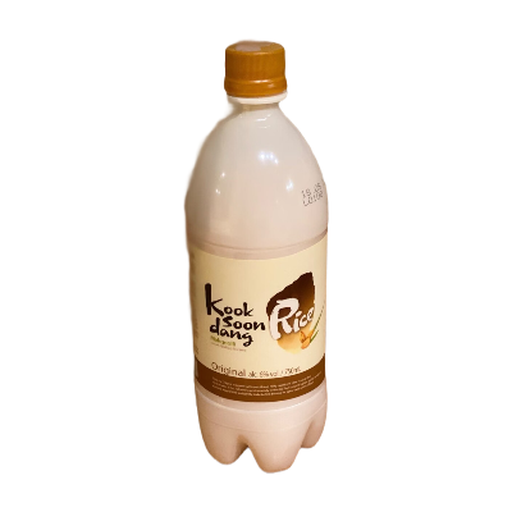
Why it suits this need: This Korean rice wine has a creamy, slightly tart flavour with gentle carbonation, making it a good match for Korean dishes.
At 750 ml, this bottle is considerably larger than a typical soju bottle. The product details also state that it contains wheat, a gluten-containing grain.
750 ml; traditional rice wine base; 6% vol. according to the product description; serve chilled after shaking gently.
We’ve put together a complete, regularly updated list of products that meet these strict selection criteria and fully comply with the safety regulations in force in the EU.
It depends on the variety. The range includes fruity options with 12 or 13% vol., classic products with 16.5% vol. and other recipes. Always check the product page and bottle label for the exact alcohol content.
Soju doesn’t automatically become undrinkable as soon as it’s opened. However, to maintain its flavour and quality, reseal the bottle, keep it chilled and drink it soon after opening. Always follow the manufacturer’s instructions on the packaging.
Soju is a distilled alcoholic drink, often sold in 350- or 360-ml bottles. Makgeolli rice wine is fermented, usually has a cloudy, creamy appearance and is often sold in 750-ml bottles. The alcohol content, texture, ingredients and serving styles are therefore quite different.