
Lieferung heute & morgen

Qualitätsgarantie

Willkommens-Angebote freischalten: KOSTENLOSE Lieferung | Bis zu 80 % RABATT | Kostenlose 30-Tage-JoyPlus-Testphase
App herunterladen
A Korean SPF50 sunscreen often combines UV protection with lightweight facial skincare. For many users in Germany, three features are particularly important: a pleasant texture, no visible white cast and added hydration. However, product names and K-Beauty promises alone are not enough to choose the right SPF50 PA++++ facial sunscreen.
SPF primarily describes protection against UVB rays. The PA system indicates UVA protection on Korean products, with PA++++ representing the highest PA category in this classification. Even so, a high rating does not replace applying enough product or reapplying regularly.
Applying only a thin layer reduces the level of protection actually achieved. Facial sunscreen should also be applied generously to the face, ears and neck.
Transparent or quick-absorbing formulations are often based on organic UV filters. Mineral filters such as zinc oxide or titanium dioxide, on the other hand, can leave a visible film depending on the formulation. Fragrance, alcohol and essential oils may also be undesirable for some users.
That is why it is worth checking the current INCI list. If you have sensitive skin or skin prone to redness, test a new product on a small area first. You cannot reliably determine individual tolerance from a product description or a brand promise.
Niacinamide, centella, aloe, rice extracts and hyaluronic acid are common ingredients in K-Beauty sun protection. They can add skincare benefits to a formulation, but they are not a substitute for a personalised skincare routine or dermatological advice. Claims such as “soothes”, “supports the skin barrier” or “hydrates” relate to the product’s cosmetic positioning and should not be equated with a therapeutic effect.
For daily facial use, SPF50 or SPF50+ is a popular choice. PA++++ is particularly relevant if UVA protection is also important to you. Also check whether the product is specifically intended for the face and neck. A body sunscreen may have a richer or shinier texture.
For extended periods outdoors, sweating, swimming or drying yourself with a towel, sunscreen must be reapplied. No product allows unlimited sun exposure. Shade, clothing and a hat remain useful additional measures.
A lightweight sunscreen without a white cast is usually easier to use every day. Lotion, serum or water-based textures often suit combination skin and users who do not want a sticky film under make-up. Creamier formulations may be more appealing for dry skin.
A “glow” finish is not the same as an oily shine, but it may still feel too rich on oily skin. If you prefer an even-looking tint, you could choose a tone-up product. Make sure the shade matches your skin tone to avoid an unnatural contrast.
For dry skin, useful ingredients to look out for include glycerin, panthenol, aloe and hyaluronic acid. Sunscreen with niacinamide may appeal to users looking for a skincare ingredient to add to their morning routine. A centella sunscreen often contains Centella asiatica extract as part of its cosmetic formulation.
The overall formula remains the key consideration. Fragrance, alcohol, essential oils and certain filters may be excluded according to personal preference. Always check the packaging before buying, as ingredient lists can change.
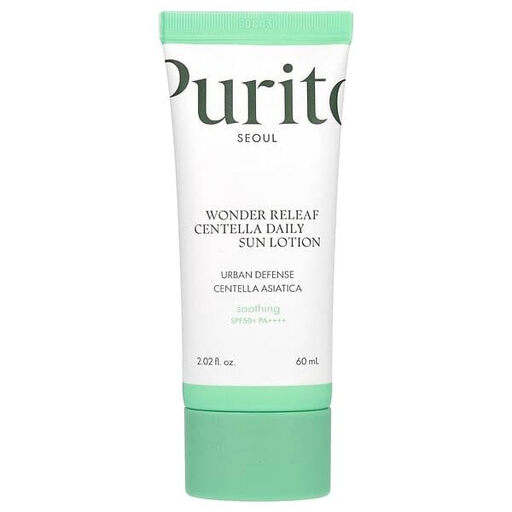
Why this product suits this profile: The combination of Centella asiatica extract, several forms of hyaluronic acid and niacinamide appeals to users who want to combine UV protection with a hydrating sunscreen.
The product details explicitly mention a lightweight lotion texture and the absence of common fragrance allergens. Nevertheless, the current packaging remains the definitive source for the INCI list.
SPF50, Centella asiatica extract at 30,108 ppm and several forms of hyaluronic acid according to the product description; intended for daily facial use.
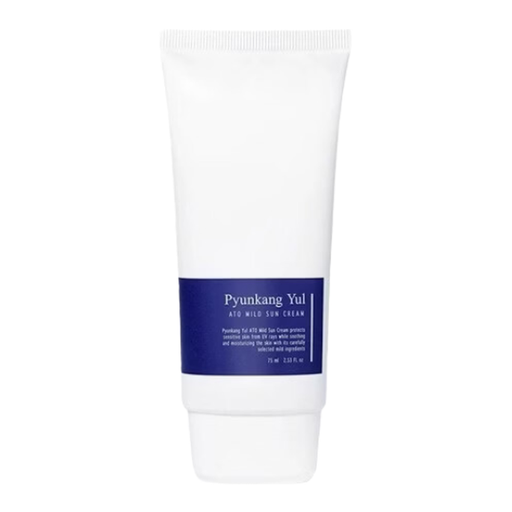
Why this product suits this profile: Its larger 75ml size and the focus of the ATO range make it an interesting option for regular users and those with dry or sensitive skin.
The product details highlight a lightweight, non-greasy texture and application without a heavy white residue. Even so, a tolerance test is advisable for sensitive skin.
SPF50 PA++++, 75 ml contents and, according to the product description, a hypoallergenic focus in the ATO range for daily use.
Apply Korean SPF50 sunscreen as the final step in your morning skincare routine, ideally before spending time outdoors. As a general guide, use around two finger lengths for the face and neck unless the product instructions state otherwise. Reapply regularly if you are outdoors for longer periods.
Also pay attention to:
We have put together a complete, regularly updated list of products that fully meet these strict selection criteria and the safety regulations applicable in the EU.
SPF50 or SPF50+ provides a high stated level of UVB protection. PA++++ supplements this with the UVA rating. However, choosing the right product also depends on applying enough, reapplying regularly and taking additional protective measures.
As a practical guide, use around two finger lengths for the face and neck. Follow the specific recommendation from the manufacturer. A layer that is too thin may not provide the full level of protection stated on the packaging.
The printed best-before date and the PAO symbol on the packaging are the key references. The consistency, smell or colour may change after prolonged storage. Do not continue using the product if you notice visible changes.