
Lieferung heute & morgen

Qualitätsgarantie

Willkommens-Angebote freischalten: KOSTENLOSE Lieferung | Bis zu 80 % RABATT | Kostenlose 30-Tage-JoyPlus-Testphase
App herunterladen
In recent years, Korean culture has gained a significant following around the world. Beyond K-pop and K-dramas, Korea's culinary specialities are also stepping into the spotlight—especially its diverse range of Korean beverages. When you see characters in a series enjoying a small glass of a clear liquid or a milky drink from a bowl after work, they are often drinking soju or makgeolli.
This article serves as a guide to the world of Korean spirits. It explains the fundamental differences between the most popular varieties and introduces a selection of products that offer a great starting point. The goal is to help you make an informed decision when you want to buy soju or buy makgeolli.
The selection can seem overwhelming at first glance. The following points will help you find the perfect drink for your palate.
The two most famous Korean alcoholic beverages are soju and makgeolli, which are fundamentally different:
Your choice depends on whether you prefer a clear spirit or a light, milky rice wine.
The alcohol content is a crucial criterion. While traditional soju can be quite strong, modern fruit sojus and especially makgeolli are significantly milder. For beginners or for a relaxed evening, drinks with a lower alcohol content are often a better fit. Pay attention to the information on the bottle to gauge the intensity of the drink.
The variety is vast, especially with fruit soju and flavoured makgeolli. Popular flavours include peach, blueberry, white grape, strawberry, and citrus. These versions are often sweeter and mask the pure alcohol taste, which makes them very approachable. If you're a fan of fruity cocktails, a flavoured soju or makgeolli could be an interesting alternative for you.
Based on the criteria above, we have compiled a selection of products that offer an excellent introduction to the world of Korean beverages.
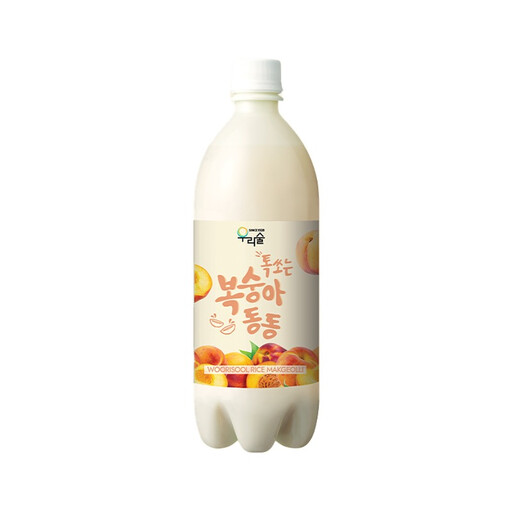
What Makes It Special: This makgeolli from WOORISOOL combines traditional Korean rice wine with the aroma of juicy peach. With a very low alcohol content of just 3% ABV, it is exceptionally light and refreshing. The milky texture is characteristic of makgeolli, while the fruit flavour adds a modern twist.
Pros:
Who It's For: Ideal for those trying makgeolli for the first time or anyone looking for a very light, fruity, and sweet alcoholic beverage for social gatherings or to accompany light meals.
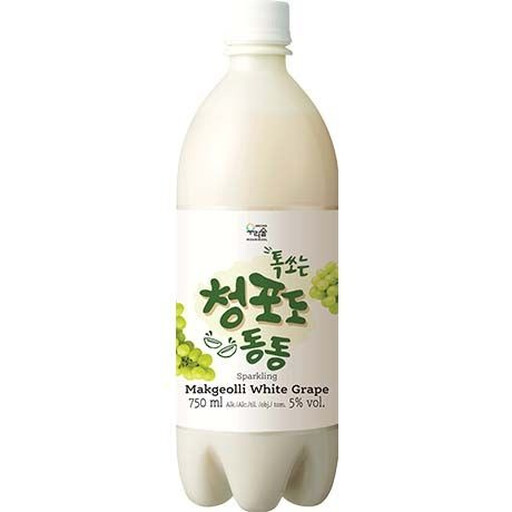
What Makes It Special: Another variety from WOORISOOL, this time with the flavour of white grapes. At 5% ABV, the alcohol content is slightly higher than the peach version but still within the typically mild range for makgeolli. The combination of rice wine and grape juice concentrate creates a refreshing taste experience.
Pros:
Who It's For: For anyone who already enjoys makgeolli and wants to try a new flavour. This variety is also a suitable choice for lovers of wine-based, slightly sweet drinks.
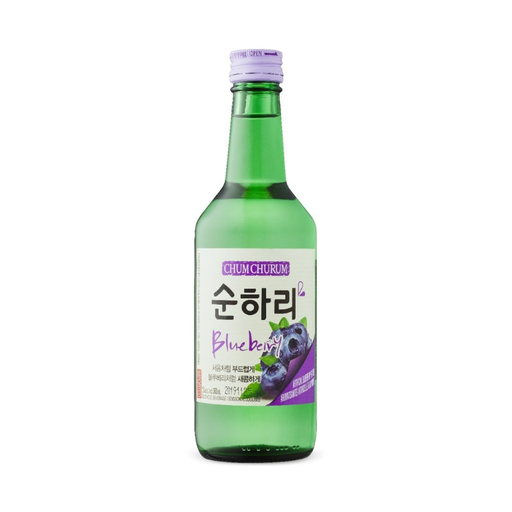
What Makes It Special:Chum Churum Soju is one of the most well-known brands, and its "Soonhari" series was instrumental in popularising the fruit soju trend in Korea. This blueberry-flavoured version has an alcohol content of 12% ABV, making it significantly milder than traditional soju. The taste is a clear blend of the typical soju note and an intense, sweet-tart blueberry aroma.
Pros:
Who It's For: Perfect for anyone looking to get into the world of soju but seeking a gentler, more flavourful alternative to the pure original. An excellent choice for parties or for mixing simple cocktails.
Didn't find the flavour you were looking for, or just want to browse further? Our range of Korean beverages is constantly expanding to offer you a wide selection.
Furthermore, if you're looking for practical household helpers to tidy up after a social evening, you can find useful everyday products in our superfine cloth category.
In short: Soju is a clear, distilled spirit with a higher alcohol content (typically 12–25% ABV), while makgeolli is a cloudy, fermented rice wine with a low alcohol content (typically 3–8% ABV) and a milky consistency. Soju is more neutral in taste (except for fruit soju), whereas makgeolli is naturally slightly sweet-sour and sparkling.
Soju is traditionally drunk neat and well-chilled in small, special soju glasses. It is often served with hearty Korean dishes like grilled meat. Makgeolli should be gently shaken or stirred before opening to distribute the sediment. It is also served chilled, but typically from small bowls, and pairs well with Korean pancakes (Pajeon) or light dishes.
The easiest way to find authentic fruit soju and other Korean spirits is through specialised online shops that carry a wide range of Asian foods and beverages. Platforms like Joybuy offer a curated selection that is delivered directly to your home, allowing you to conveniently discover and buy soju.