
Lieferung heute & morgen

Qualitätsgarantie

Willkommens-Angebote freischalten: KOSTENLOSE Lieferung | Bis zu 80 % RABATT | Kostenlose 30-Tage-JoyPlus-Testphase
App herunterladen
By the Joybuy Product Recommendation OfficerDate: August 30, 2026
Finding the right sunscreen can often feel complicated. Many products leave behind a greasy film, a visible white cast, or feel heavy on the skin. Especially with daily facial use, these drawbacks can lead to neglecting essential UV protection. In recent years, Korean sunscreen has emerged as a sought-after alternative, blending skincare and sun protection into lightweight, pleasant formulations.
However, there are pitfalls here too. Some products overpromise and underdeliver, or are simply unsuitable for your skin type. This guide will help you understand the key features and make an informed decision based on objective criteria.
Instead of being swayed by marketing promises, you should focus on three core parameters that determine the quality and suitability of a Korean sunscreen.
A common issue with sunscreens is a heavy, often sticky texture that can clog pores and lead to breakouts. Another annoyance is the dreaded "white cast," a whitish film that remains visible, especially on darker skin tones.
Korean formulations are renowned for their cosmetic elegance. They often use modern chemical UV filters that create a lightweight facial sunscreen which absorbs quickly without leaving a sticky residue. A good sunscreen with no white cast applies transparently and feels more like a hydrating lotion or serum than a traditional sun protection product.
Effective sun protection must shield against both types of harmful UV rays: UVB and UVA.
Look for products that feature both a high SPF (50 or 50+) and a high PA rating (PA+++ or PA++++) to ensure broad-spectrum protection.
The key advantage of many Korean sunscreens is their hybrid function as skincare. Instead of just protecting, they are enriched with active ingredients that address specific skin concerns.
Based on the criteria above, we have identified several products suitable for different user profiles.
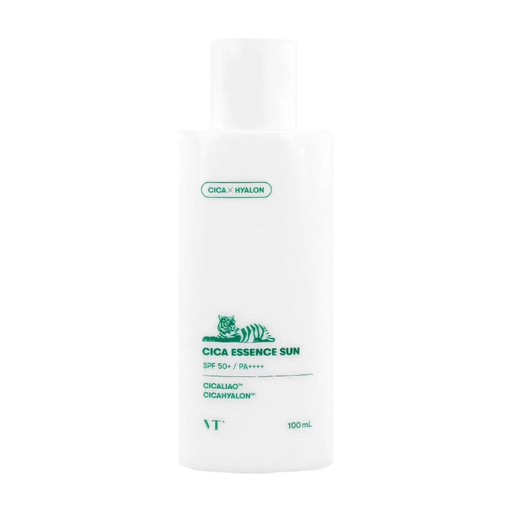
Why It's a Match: This sunscreen is designed for skin that reacts quickly to external factors. It combines high UV protection with the soothing properties of Centella Asiatica (Cica) to calm redness and irritation.
The essence-like texture absorbs without leaving the heavy, pore-clogging feeling that often further irritates sensitive skin.
According to the manufacturer, it contains the Cicahyalon complex, which combines Centella Asiatica with hyaluronic acid to soothe and hydrate simultaneously.
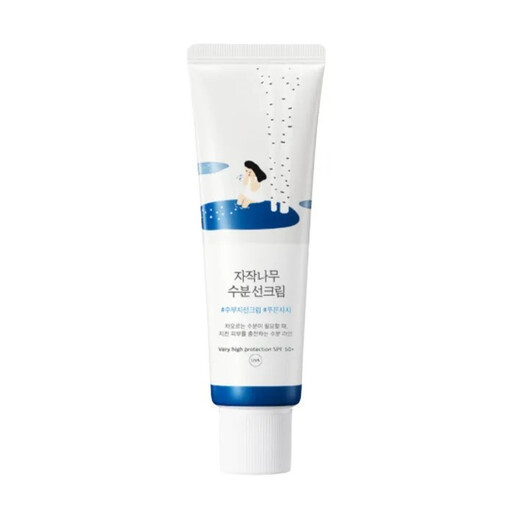
Why It's a Match: For those with dry skin seeking a sunscreen that feels like a moisturiser. It simplifies the morning routine by combining protection with intense hydration.
Instead of drying out the skin, it provides intense moisture, preventing the tight feeling that some sunscreens can leave behind.
The formula contains birch sap and hyaluronic acid to strengthen the skin barrier and provide long-lasting moisture.
We have compiled a complete, up-to-date list of products that fully meet these strict selection criteria and comply with current safety regulations.
1. What does "PA++++" mean on Korean sunscreen? The PA system is a rating developed in Japan to measure protection against UVA rays. The number of plus signs indicates the level of protection, with "PA++++" representing the highest degree of protection currently available. While SPF measures protection against sunburn (UVB), the PA rating is an indicator of protection against premature skin ageing caused by UVA radiation.
2. Can I use Korean sunscreen every day? Yes, most Korean sunscreens are specifically designed for daily use. Their lightweight, nourishing formulations make them an ideal final step in your morning skincare routine. They layer well under makeup without pilling or feeling heavy.
3. Do I need to wear sunscreen in winter or indoors? UVA rays can penetrate clouds and window glass. This means your skin is exposed to radiation even on cloudy days, in winter, or when you are near a window. For consistent protection against photoaging, daily application of broad-spectrum sunscreen is recommended on all exposed skin, such as the face and neck.