
Lieferung heute & morgen

Qualitätsgarantie

Willkommens-Angebote freischalten: KOSTENLOSE Lieferung | Bis zu 80 % RABATT | Kostenlose 30-Tage-JoyPlus-Testphase
App herunterladen
The search for a daily-use SPF 50 face sunscreen can be a challenge. Korean products, in particular, have surged in popularity over recent years, renowned for combining advanced formulas with an elegant feel on the skin. However, not every product lives up to the hype. Many users invest in highly-praised sunscreens only to be disappointed by a sticky residue, skin irritation, or a visible white cast. As your Joybuy Product Recommendation Officer, I'm here to help you avoid these pitfalls and make an informed choice.
Before deciding on a product, it's helpful to know the typical weaknesses that often only become apparent after purchase.
To make a great decision, you should consider three technical aspects that are crucial for performance and skin feel.
Korean sunscreens often use modern UV filters that provide high protection while ensuring superior comfort.
Cosmetic elegance is a hallmark of Korean sun care. The texture determines how the product feels on the skin and whether it's suitable for your skin type and routine.
Korean sunscreens are often more than just a protective shield. They are formulated with active ingredients that provide additional skin benefits. Look for ingredients like:
Here are some recommendations tailored to different needs and skin types.

Why This Fits Their Persona: Ideal for those who prefer a streamlined morning routine. This product combines the properties of a lightweight moisturiser with high sun protection and serves as an excellent makeup base.
The creamy texture absorbs completely without leaving a greasy film or a white cast. The formula, with 30% rice extract, provides proven hydration and is more than just an empty skincare promise.
Offers high broad-spectrum protection (SPF50+ PA++++) in a lightweight, moisturiser-like texture. Contains nourishing, grain-fermented extracts.
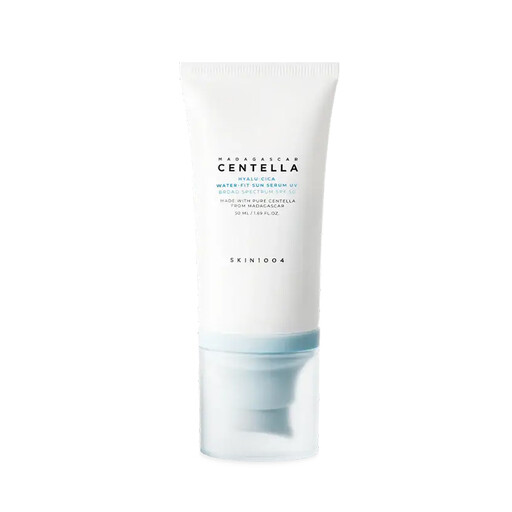
Why This Fits Their Persona: Designed for skin prone to redness and irritation. The formula focuses on soothing and hydration without potentially irritating ingredients like alcohol or fragrance.
The serum-like texture is extremely lightweight, avoiding the heavy feeling common in sunscreens for sensitive skin. Instead of weighing the skin down, it feels soothing and hydrating.
Combines high UV protection with the Hyalu-Cica complex, which consists of Centella Asiatica and Hyaluronic Acid, to soothe and strengthen the skin barrier.
We've compiled a complete, up-to-date list of products that fully meet these strict selection criteria and all relevant safety regulations.
A common guideline is the "two-finger rule." Dispense two strips of sunscreen onto your index and middle fingers. This amount is generally sufficient to adequately protect your face and neck and to achieve the sun protection factor stated on the packaging.
For individuals with oily or combination skin, a hydrating sunscreen can often be sufficient and replace a daily moisturiser during the summer months. For dry skin, it is recommended to apply sunscreen as the final step after your usual moisturiser to ensure optimal hydration.
UVA protection in Korean and Japanese products is indicated by the PA (Protection Grade of UVA) system. Look for the PA++++ rating. This is the highest rating currently available and signals extremely high protection against UVA rays, which are a primary contributor to skin aging.