
Lieferung heute & morgen

Qualitätsgarantie

Willkommens-Angebote freischalten: KOSTENLOSE Lieferung | Bis zu 80 % RABATT | Kostenlose 30-Tage-JoyPlus-Testphase
App herunterladen
Daily facial sunscreen in Germany needs to offer more than a high sun protection factor. A comfortable feel on the skin, suitable filter technology and a formula that works well with your skincare routine are equally important. Korean sunscreen SPF 50 is therefore particularly popular with K-Beauty users: many products combine UV protection with hydration and lightweight textures.
Marketing terms can quickly lead to unsuitable purchases, however. Choosing carefully helps you avoid unnecessary expense and skin reactions.
The SPF value mainly describes protection against UVB radiation, which plays a major role in sunburn. Additional labelling is important for the UVA range. Korean products often use PA++++ for this purpose. If you are looking for broad-spectrum UVA and UVB protection, you should therefore look not only at “SPF 50+”, but also at the PA rating.
A product with SPF 50 and PA+++ may also be suitable for certain everyday situations. For longer periods outdoors, however, many shoppers prefer a combination of SPF 50 PA++++ sunscreen and consistent reapplication.
A lightweight sunscreen without a white cast can feel comfortable on combination skin or under make-up. Dry skin, on the other hand, often needs additional moisturiser. Conversely, rich, hydrating sunscreens may feel too shiny on oily or blemish-prone skin.
Plant extracts, fragrances, alcohol and certain preservatives may also not suit everyone equally well. The complete INCI list on the packaging is therefore more important than individual marketing claims.
The level of protection depends on the amount applied and on spreading it evenly. A sun cushion is convenient when you are out and about, but it does not always replace a generous first layer in the morning. Reapply after sweating, swimming or drying yourself. Reapplying over make-up can also affect coverage or texture.
For daily facial skincare, SPF 50 or SPF 50+ is a common choice. You should also check the UVA labelling:
Product information may vary depending on the market version and packaging. Before buying and using a product, always refer to the current labelling of the specific item.
A mineral sunscreen uses ingredients such as zinc oxide or titanium dioxide. These filters may appeal to people who wish to avoid chemical filters. Depending on the formula, however, they may leave a visible film, particularly on darker skin tones.
A chemical sunscreen uses organic UV filters and can often be formulated to feel lighter, look more transparent and leave no white cast. For sensitive skin, individual tolerance may be more important than the filter category.
Combination products bring both approaches together. The filters can only be classified reliably by checking the complete INCI list.
These features are useful when choosing sunscreen to wear under make-up:
A smaller tube is ideal for keeping in your handbag. A sun cushion is mainly designed for touch-ups, while a cream or serum will generally provide a more even base layer in the morning.
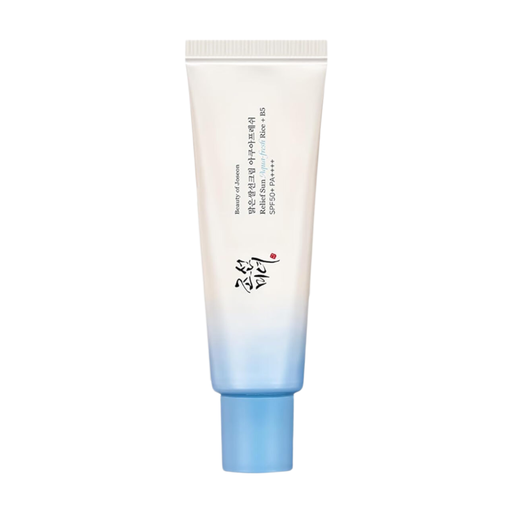
Why this product suits this profile: The lotion-like texture combines SPF50+ PA++++ with rice water and panthenol. It is designed to feel lightweight on the skin and work as a daily facial sunscreen.
The stated PA++++ rating complements the SPF value. The lightweight formula reduces the risk of a rich cream feeling uncomfortable under make-up.
SPF50+ PA++++, panthenol, rice water and a fast-absorbing texture according to the product information.
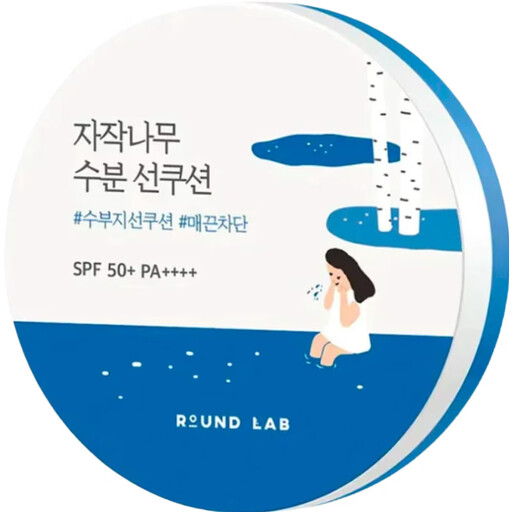
Why this product suits this profile: The cushion format is designed for touch-ups when you are out and about. Birch sap, hyaluronic acid and plant extracts complement the SPF50+ application with a hydrating finish.
The compact format makes regular reapplication easier. For the first layer in the morning, however, you should still apply a sufficient amount evenly.
SPF50+ PA++++, cushion applicator, 15-g format and hydrating ingredients.
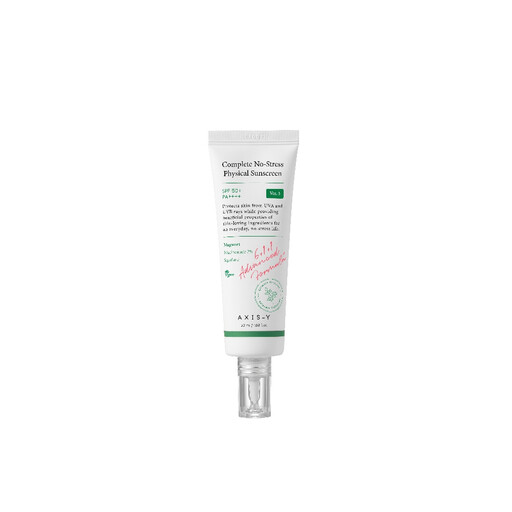
Why this product suits this profile: The product description lists zinc oxide as a mineral filter, along with SPF50 PA++++. Mugwort and centella extracts complement the formula for daily facial skincare.
The filter type can be identified from the stated zinc oxide base. Before buying, check whether the specific amount and finish suit your skin tone.
Zinc oxide base, SPF50 PA++++, fragrance-free product information and gel texture for everyday use.
We have put together a complete, regularly updated list of products that fully meet these strict selection criteria and the safety regulations applicable in the EU.
Apply Korean sunscreen SPF 50 as the final step in your morning skincare routine to your face, neck and any other exposed areas. Do not apply too little. If your skin is sensitive or prone to redness, carry out a patch test on a small area before using the product fully for the first time.
Stop using the product if you experience burning, itching, a rash or persistent redness. Sunscreen does not replace a hat, protective clothing or shade. The current INCI list, PAO information and best-before date can be found on the relevant packaging.
That depends on the individual formula. Fragrance-free products may be an option, but they are not a guarantee of compatibility. Check the filters, alcohol, fragrances and plant extracts in the INCI list, and carry out a patch test before using the product for the first time.
Yes, provided the texture absorbs sufficiently and does not crumble when applied with foundation. A lightweight sunscreen without a white cast or a serum-like finish is often considered more suitable. Allow your skincare to absorb briefly, then apply make-up without rubbing too vigorously.
Follow the PAO symbol and the printed expiry date. Heat, direct sunlight and frequent opening can affect product quality. If the smell, colour or consistency changes, stop using the product.