
Lieferung heute & morgen

Qualitätsgarantie

Willkommens-Angebote freischalten: KOSTENLOSE Lieferung | Bis zu 80 % RABATT | Kostenlose 30-Tage-JoyPlus-Testphase
App herunterladen
Korean sunscreen, often called K-Beauty sunscreen, has carved out a permanent place in daily skincare routines thanks to its innovative formulations and lightweight textures. However, the market can be overwhelming, and many products fail to deliver on their marketing promises. This guide will help you identify the crucial features and avoid common purchasing pitfalls.
Selecting the right product is often complicated by exaggerated advertising claims. Two problems are particularly common:
To make an informed decision, you should focus on objective criteria rather than marketing messages. Three parameters are crucial here.
The type of UV filter significantly determines the texture, skin feel, and compatibility.
High protection is the fundamental requirement for an effective sunscreen.
Korean sunscreens are often more than just a protective product. They contain nourishing active ingredients that target specific skin needs. Look for formulations that suit your skin type, whether it's a moisturizing sunscreen with hyaluronic acid for dry skin or a sunscreen for acne with niacinamide to regulate sebum production.
Based on the criteria above, we have identified several products suitable for different needs and skin types.
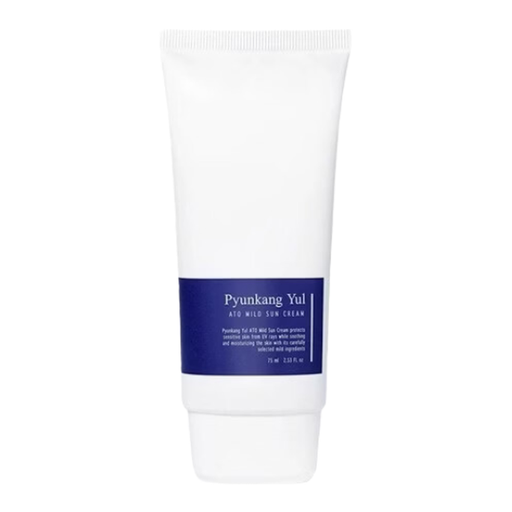
Why This Fits Their Persona: This sunscreen is specifically developed for sensitive skin and skin prone to atopic dermatitis. The mild, hypoallergenic mineral-based formula minimises the risk of irritation, making it ideal for reactive skin types.
The formulation is designed for gentleness, bypassing the irritation trap of many chemical filters. Although mineral-based, its texture is engineered to spread easily and reduce white cast.
Hypoallergenic formula from the ATO line for sensitive skin; high protection with SPF50+ PA++++.
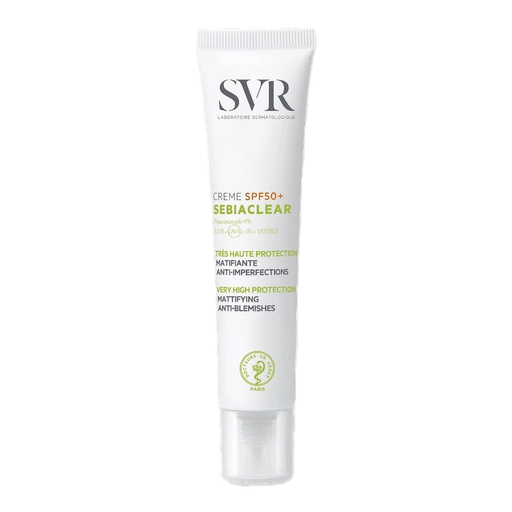
Why This Fits Their Persona: This product is specifically designed for oily and blemish-prone skin. It combines high sun protection with sebum-regulating and anti-inflammatory ingredients like niacinamide to control shine and reduce blemishes.
It solves the "greasy texture" problem by providing a matte finish and actively regulating sebum production. Instead of just adding moisture, it aims to control excess oil.
Non-comedogenic; contains niacinamide to reduce shine and blemishes; mattifying finish.
We have compiled a complete, real-time updated list of products that fully meet these strict selection criteria and rigorous safety standards.
1. Do I need to wear Korean sunscreen every day, even when it's not sunny? Yes, daily application is recommended. UVA rays, which are a major contributor to skin aging, can penetrate clouds and window glass. Consistent protection 365 days a year is therefore essential to maintain long-term skin health.
2. How much sunscreen should I use on my face to achieve the stated SPF? A common and practical guideline is the "two-finger rule." Apply two strips of sunscreen to your index and middle fingers. This amount is generally sufficient for the face and neck to ensure you get the protection factor listed on the packaging.
3. Can I use Korean sunscreen if I have acne? Yes, many Korean sunscreen products are suitable for acne-prone skin. Look for the "non-comedogenic" label, which means the formula won't clog pores. Products with ingredients like niacinamide or tea tree oil can also help regulate sebum production and soothe inflammation. Opt for lightweight gel or serum textures instead of rich creams.