
Lieferung heute & morgen

Qualitätsgarantie

Willkommens-Angebote freischalten: KOSTENLOSE Lieferung | Bis zu 80 % RABATT | Kostenlose 30-Tage-JoyPlus-Testphase
App herunterladen
The variety of Korean beverages is steadily gaining popularity worldwide. From fruity concentrates to traditional herbal blends, the market offers a wide range. However, this diversity also presents pitfalls. Many buyers are unsure if they are getting an authentic product or overlook the high sugar content in supposedly healthy teas. This guide will help you identify the key features and make an informed choice.
Before you make a decision, you should be aware of the most common misconceptions that often lead to a disappointing purchase.
To make the right choice, it helps to understand the basic product categories and their labels.
Korean teas can be broadly divided into three forms, each with a very different preparation method and flavor profile.
A look at the ingredient list is essential. The order of the ingredients indicates their proportional amount. If sugar, fructose, or glucose syrup is listed first, it is primarily a sweetened product. Those looking for an alternative should seek out products explicitly labeled as sugar-free tea from Korea or those that use sweeteners like stevia.
Here are a few recommendations tailored to different preferences and use cases.
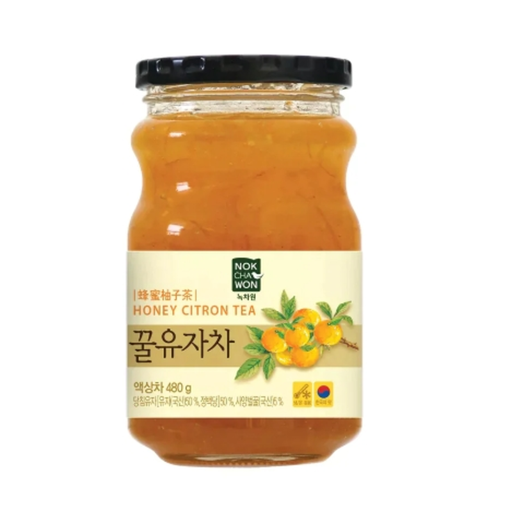
Why This Fits Their Persona: Ideal for anyone who wants to try the most famous Korean fruit tea. It offers an authentic, sweet-tart taste experience and is simple to prepare, both hot and cold. A perfect introduction to the world of Korean beverages.
The product is clearly declared as "Citron Tea" (Yuja Cha), a concentrate. The ingredient list transparently shows that it consists of sweetened citron, which prevents the expectation of a classic tea bag.
Contains 50% sweetened citron for an intense fruit flavor. Versatile enough to be used as a hot drink, iced tea, or even as a spread on toast.
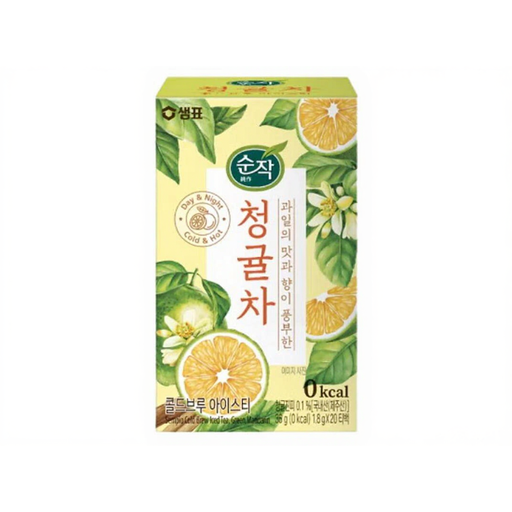
Why This Fits Their Persona: Perfect for anyone looking for a refreshing, flavorful alternative to sugary drinks. This tea is explicitly sugar-free, calorie-free, and caffeine-free, making it suitable for any time of day.
This product completely avoids the "hidden sugar" trap. The nutritional information confirms 0g of sugar and 0 calories. The sweetness comes from natural stevia leaves.
Specially designed for cold water preparation (Cold Brew). The pyramid-shaped bags allow for rapid flavor infusion in just 5 minutes.
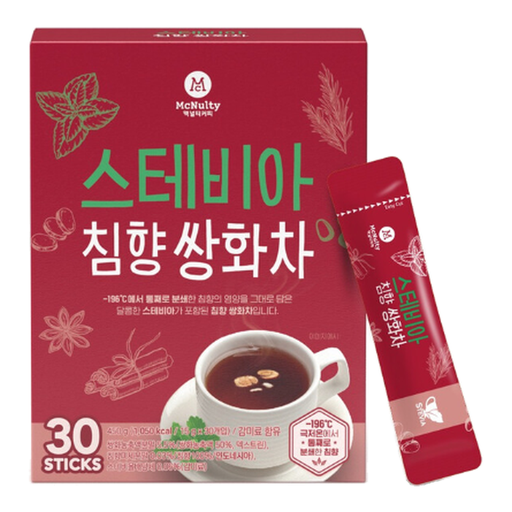
Why This Fits Their Persona: For those seeking the authentic, deep flavor of a traditional Korean herbal tea. Ssanghwa Tea is a classic blend known for its warming properties and complex aroma.
This product offers the traditional flavor without the high sugar content often found in modern instant versions. It is clearly declared as an instant powder and labeled as sugar-free, ensuring transparency.
Combines traditional herbal flavor with modern health consciousness (no sugar). The convenient instant form allows for quick and easy preparation.
We have compiled a complete, up-to-date list of products that fully meet these strict selection criteria and current regulations.
Preparation is simple. Add 2-3 teaspoons of the concentrate (e.g., Yuja Cha or Maesil Cha) to a cup, depending on your desired strength. Pour about 150-200 ml of hot or cold water over it and stir well until the concentrate has dissolved. For an iced tea, you can also add ice cubes.
Yuja Cha is made from the citron (Yuja), an East Asian citrus fruit that has a more intense, floral, and slightly tart aroma than conventional lemons. Furthermore, Yuja Cha is a concentrate of fruit pieces and peel in syrup, whereas Western lemon tea is usually an infusion of dried lemon peels or a flavored beverage.
Yes, most traditional Korean teas are naturally caffeine-free. This includes fruit teas (Cheong), herbal teas like Ssanghwa Tea, and grain teas like Yulmu-cha. An exception might be a tea blended with green or black tea extract. Check the ingredient list if you wish to avoid caffeine.