
Lieferung heute & morgen

Qualitätsgarantie

Willkommens-Angebote freischalten: KOSTENLOSE Lieferung | Bis zu 80 % RABATT | Kostenlose 30-Tage-JoyPlus-Testphase
App herunterladen
Korean teas and beverages are surging in popularity, driven by global interest in Korean culture. However, the growing variety of options can make choosing the right one overwhelming. Many buyers are disappointed when their supposedly healthy tea turns out to be a sugar trap, or when the preparation method isn't what they expected. This guide will help you navigate the typical pitfalls and make an informed decision.
As a Joybuy Product Recommendation Officer, I analyse market data to give you objective and practical shopping advice that goes beyond marketing hype.
Before you make a decision, you should be aware of the following points to avoid disappointment and unnecessary expense.
To ensure your chosen tea meets your expectations, check these two criteria.
Korean teas come in various formats, each intended for different uses.
A critical look at the ingredient list is essential. The order of the ingredients indicates their proportion in the product.
Here are some recommendations tailored to different needs and preferences.
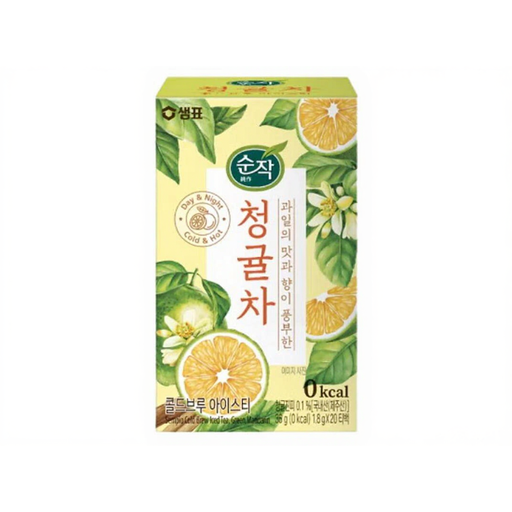
Why This Fits Their Persona: Ideal for anyone looking for a refreshing, yet sugar-free and zero-calorie alternative to sodas. The cold brew preparation is a perfect match for an active lifestyle.
This product completely avoids the sugar trap. According to the manufacturer, it is sweetened with natural stevia leaves and contains 0 calories and 0g of sugar.
Caffeine-free, making it enjoyable at any time of day. The pyramid tea bags allow for a quick flavour infusion in cold or hot water.
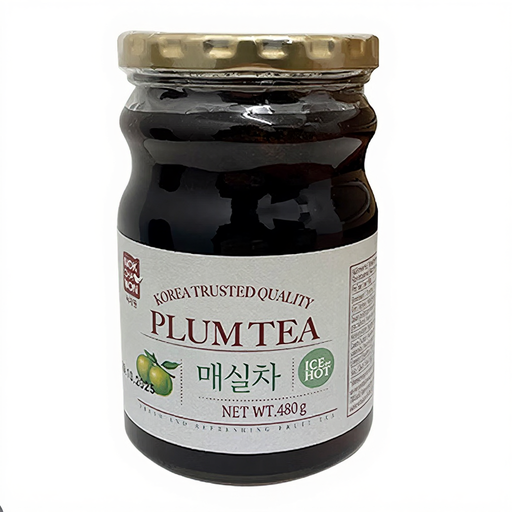
Why This Fits Their Persona: For those who want to experience the authentic taste of a traditional Korean fruit extract (Maesil-cha) and appreciate the versatility of a concentrate.
This product is a classic tea concentrate. Now that you know the format, you understand it's a base for mixing, not a ready-to-drink beverage. Here, sugar is a traditional component for preservation and sweetness.
Authentic, sweet and sour taste. Versatile for use in tea, as a glaze for meats, a topping for desserts, or in salad dressings.
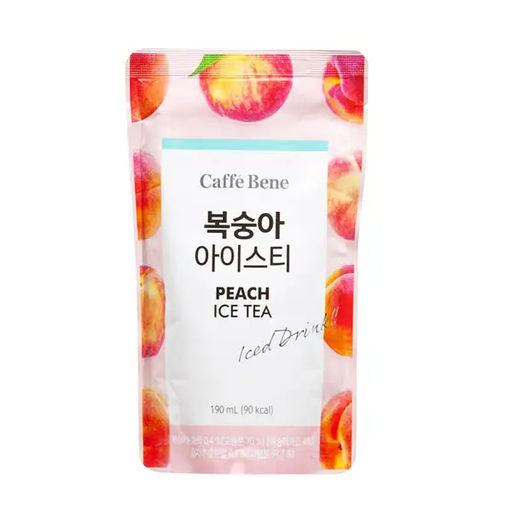
Why This Fits Their Persona: Perfect for professionals, students, or travellers who want a quick and easy refreshment with zero preparation required.
This product avoids the 'unclear format' trap. It is clearly labelled as a ready-to-drink beverage in a convenient pouch. You get exactly what you expect: a finished iced tea drink.
Ultimate convenience thanks to the pouch format. The taste is balanced and refreshing, just as you would expect from a café-style drink.
We've curated a complete, up-to-date list of products that fully meet these strict selection criteria and comply with current regulations.
Yuja tea is a concentrate (Cheong). Add 2-3 teaspoons of the concentrate to a cup and pour about 150-200 ml of hot or cold water over it. Stir well until the concentrate has dissolved. In the summer, you can also add ice cubes.
No, not necessarily. Many traditional teas like Yulmu tea (grain), plum tea (fruit), or herbal teas like Ssanghwa Cha are naturally caffeine-free. However, teas made from green or black tea bases do contain caffeine. Always check the ingredient list if you want to avoid caffeine.
Yulmu tea is a nutritious, mild, and slightly sweet grain tea, often made from Job's tears, nuts, and other grains. It has a creamy consistency and is often enjoyed as a filling breakfast drink. Ssanghwa Cha is a traditional Korean medicinal tea made from various herbs. It has a deep, earthy, and slightly bitter flavour and is traditionally consumed in Korea to strengthen the body, especially during the cold season.