
Lieferung heute & morgen

Qualitätsgarantie

Willkommens-Angebote freischalten: KOSTENLOSE Lieferung | Bis zu 80 % RABATT | Kostenlose 30-Tage-JoyPlus-Testphase
App herunterladen
The diversity of Korean beverages is finding a growing audience worldwide. In particular, Korean tea, often called “Cha” (?), offers a wide array of flavours that extends far beyond what is typically considered tea. But as the selection grows, so does the confusion. Vague product descriptions or misleading marketing claims can often lead to a purchase that doesn't meet expectations.
Before making your choice, you should be aware of two common pitfalls:
This guide will help you navigate these hurdles and find the right Korean tea for your needs.
To make an informed decision, you should check three key parameters. These will help you objectively evaluate product characteristics and separate marketing hype from facts.
The most important distinction is the product format, which directly impacts the preparation and taste experience.
For health-conscious consumers, the ingredients list is crucial. If you're looking for a healthy, sugar-free tea, pay attention to the following points:
The world of Korean tea is diverse. Each type offers a unique flavour profile:
Here are some recommendations tailored to different preferences and needs.
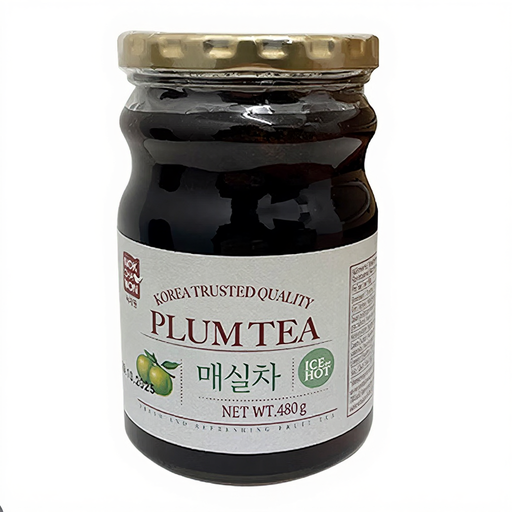
Why It's a Good Fit: This green plum concentrate is a classic and offers a perfect introduction. The sweet and sour taste is very approachable, and preparation is incredibly simple. Ideal for anyone trying a Korean fruit tea for the first time.
The product format is clearly labelled as a concentrate. The ingredients list shows fructose and sugar as the main components, making it transparent that this is a sweetened beverage and setting no false expectations.
High versatility: Can be used as a hot or cold drink, as well as a glaze for meats or a topping for desserts.
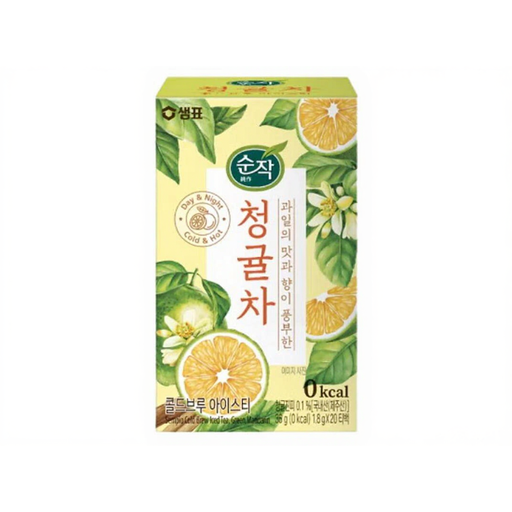
Why It's a Good Fit: This blend was designed specifically for health-conscious connoisseurs. It is sugar-free, calorie-free, and caffeine-free. The sweetness comes from natural stevia leaves, making it a light and refreshing alternative.
This product completely bypasses the "sugar trap" as it is explicitly marketed as sugar-free and calorie-free. As an infusion bag, the preparation format is also unmistakable.
Quick preparation in cold water (cold brew) in just 5 minutes. Perfect for a refreshing, healthy, sugar-free lemonade in the summer.
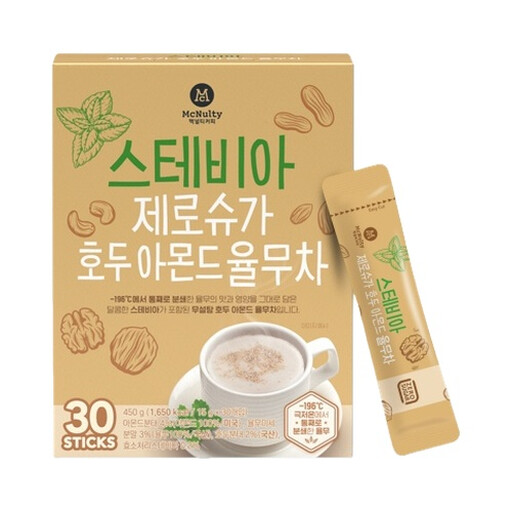
Why It's a Good Fit: Yulmu Cha is a traditional Korean beverage that offers a nutty, creamy, and satisfying experience. This blend of Job's tears, walnuts, and almonds is ideal for anyone seeking an authentic, non-fruity flavour experience.
This product represents a completely different category of Korean tea, showcasing the diversity beyond fruit teas. The use of stevia instead of sugar is a modern and transparent adaptation for conscious consumers.
A nutritious, grain-based drink that stands out for its creamy texture and rich, nutty flavour. Ideal as a warming snack or light breakfast.
We have compiled a complete, up-to-date list of products that fully meet these strict selection criteria and applicable regulations.
Preparation is simple: Add 2 to 3 teaspoons of the concentrate to a cup and pour in about 150–200 ml of hot or cold water. Stir well until the concentrate has dissolved. In the summer, you can add ice cubes for a refreshing cold drink. It's important to understand that these concentrates do not need to steep like teabags.
No, that's a common misconception. Most fruit teas (like Yuja Cha), grain teas (Yulmu Cha), and herbal teas (Ssanghwa Tee) are naturally caffeine-free. However, teas made from the Camellia sinensis plant, such as green tea (Nokcha) or black tea (Hongcha), do contain caffeine. When in doubt, always check the ingredients list on the packaging.
The main difference lies in the fruit used and the preparation method. Yuja Cha is made from the yuja fruit, a citrus fruit native to East Asia. Its flavour is more aromatic, floral, and slightly more bitter than that of a common lemon. Furthermore, Yuja Cha is traditionally made as a thick concentrate containing pieces of the rind, whereas Western-style lemon tea often consists of flavoured black or fruit tea blends in bags.