
Lieferung heute & morgen

Qualitätsgarantie

Willkommens-Angebote freischalten: KOSTENLOSE Lieferung | Bis zu 80 % RABATT | Kostenlose 30-Tage-JoyPlus-Testphase
App herunterladen
Korean Tteokbokki rice cakes are available as instant Tteokbokki, Tteokbokki cups or larger packs. They usually take just a few minutes to prepare, but products can vary considerably in heat, portion size, ingredients and texture. If you choose based only on eye-catching packaging or words such as “Hot”, you could end up with a variety that doesn’t suit your taste or lifestyle.
This buying guide from the Joybuy Product Recommendation Officer explains what to look for when choosing Korean rice cakes and which options suit different needs.
“Hot”, “Spicy” and “Buldak” suggest a particular flavour, but they don’t follow a standard heat scale. A sweet and spicy sauce may taste milder because of its sugar and ketchup, while a variety seasoned with chilli or kimchi can deliver a different kind of heat. If you’re sensitive to spice, check the ingredients list and flavour description rather than relying on the product name alone.
Many instant products contain around 115–160 g. Varieties with ramen noodles, also known as Rabokki, combine carbohydrates from rice cakes and noodles, which can make them more filling. A small cup, on the other hand, is better suited to a snack or quick bite. Choose a portion size that suits how you plan to enjoy it – at work, while studying or for an evening at home.
Depending on the sauce, Korean ready meals often contain wheat, soya, sesame or milk ingredients. Seasoning mixes can also contain relevant allergens, even in rice cakes with a sauce that has no visible additions. Always refer to the information on the product packaging, as recipes and labelling can change. If you have an intolerance, carefully check the current ingredients list before eating.
For a classic street food experience, try spicy rice cakes with a chilli- or gochujang-style sauce. Sweet and spicy varieties combine sugar, tomato and pepper for a more rounded flavour. Kimchi varieties add a tangy, savoury note. If you’d prefer a non-spicy sauce, try Jjajang: its black bean sauce is typically savoury and slightly sweet, rather than chilli-led.
You can also find less familiar flavours, including curry, tomato, creamy bacon and red bean. These products take inspiration from Korean snacks, but taste different from classic Tteokbokki.
Traditional Korean rice cakes are made mainly from rice and become soft and chewy when heated. In combination products with ramen, the proportion of rice cakes may be lower, as they also contain noodles and a separate seasoning powder. For example, Yopokki Ricecake & Ramen Hot Spicy 145 g contains 71% rice cakes and 18% ramen, according to the product information.
Cups with a measured amount of water are handy if you want to keep preparation simple. Larger packs, such as Delief Tteobokki Rice Cake 300 g, are a better choice if you’d like to add your own ingredients, such as vegetables, egg or fish cakes.
Most cups are prepared by adding water to the fill line and then heating them in the microwave. The recommended wattage and cooking time vary: some products, for example, specify two minutes at 1,000 watts or three minutes at 700 watts. Always follow the instructions on the individual pack.
Also check:
Nutritional information isn’t directly comparable across all products, as some values are given per 100 g, while others refer to the whole portion.
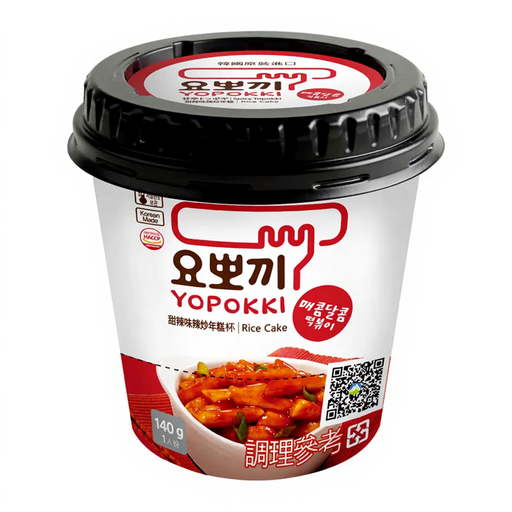
Why it suits this need: This 140 g portion combines rice cakes with a sweet and spicy sauce, making it an easy introduction to Korean snacks.
The flavour is clearly labelled “Sweet & Spicy” and, according to the product information, includes ingredients such as ketchup and pepper paste.
140 g pack, 229 kcal and 0 g fat per 100 g according to the product details; gluten and soya are listed as allergens.
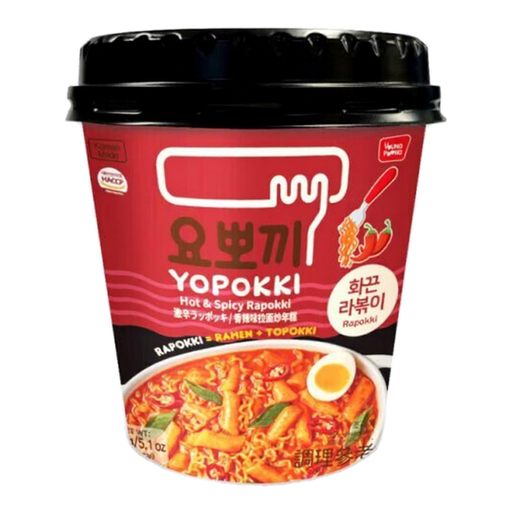
Why it suits this need: This Rabokki combination is a good choice if you’d like rice cakes and instant ramen together in one cup.
The rice cakes, ramen and seasoning powder are listed separately, so you can check what the product contains before buying.
145 g cup, ready in just a few minutes and 338 kcal per 100 g according to the product information; contains wheat, soya and sesame.
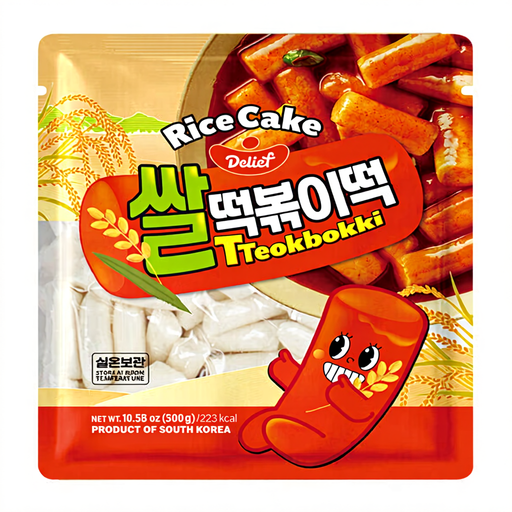
Why it suits this need: This larger pack is ideal for households that enjoy Korean rice cakes regularly and want to make their own sauces or side dishes.
The 300 g pack contains rice cakes without a ready-made sauce mixed in, so you can choose the heat level and ingredients yourself.
A larger net weight and versatile enough to enjoy with vegetables, fish cakes, egg or your own Tteokbokki sauce.
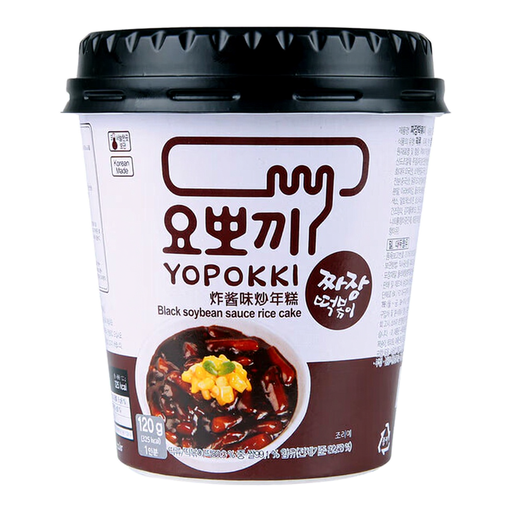
Why it suits this need: This Jjajang variety is made with a savoury black bean sauce, offering an alternative to very spicy, chilli-led rice cakes.
The flavour is clearly labelled Jjajang and made with black bean sauce rather than a primarily spicy chilli sauce.
120 g cup, 1.76 g fat and 64.5 kcal per 100 g according to the product information; soya and wheat are listed as allergens.
We’ve put together a complete, regularly updated list of products that meet these strict selection criteria and the safety requirements applicable in the EU.
Depending on the product, add the rice cakes and seasoning powder to the cup, fill it with water to the marked line and heat everything in the microwave. Some varieties can also be prepared in a pan. Always follow the recommended wattage and stirring instructions, as well as the suggested core temperature.
The best-before date is shown on the packaging. Unopened cups are usually stored in a dry place at room temperature. Once opened, prepare the rice cakes according to the instructions and eat them straight away. Don’t leave an opened pack unrefrigerated for an extended period.
It depends on the variety. “Hot & Spicy”, Buldak and some kimchi varieties are designed to have a distinctly spicy flavour. Sweet & Spicy products may have sweeter notes, while Jjajang, tomato or creamy varieties offer an alternative to strongly chilli-led sauces. The ingredients list is the most reliable way to check before you buy.