
Lieferung heute & morgen

Qualitätsgarantie

Willkommens-Angebote freischalten: KOSTENLOSE Lieferung | Bis zu 80 % RABATT | Kostenlose 30-Tage-JoyPlus-Testphase
App herunterladen
Depending on its formulation, a Korean face cream can hydrate the skin, support the skin barrier or focus on a specific skincare need. However, the choice is extensive: K-Beauty face creams range from lightweight gel textures to rich barrier-protecting creams. If you are guided only by terms such as “Glow”, “Glass Skin” or “Anti-Aging”, you can easily end up buying a product that does not suit your skin type.
Niacinamide, retinol, PDRN, centella and ceramides are popular ingredients in Korean skincare. However, simply naming them says nothing about their concentration, tolerability or the most suitable way to use them. A niacinamide cream with 2% can feel and perform very differently from a formulation containing 5%.
Terms such as “brightening face cream” should also be understood objectively. They generally refer to skincare intended to support a more even or radiant-looking complexion. A cosmetic cream is not a substitute for dermatological treatment.
A rich cream can feel comfortable on very dry skin, but heavy on oily or blemish-prone skin. Conversely, a lightweight gel cream may not be enough during a German winter or for dry cheeks. That is why texture, lipids and humectants matter – not just the product name.
Retinol, acids, vitamin C derivatives and highly concentrated niacinamide can all have a place in a skincare routine, but they do not need to be introduced at the same time. If your skin is sensitive or irritated, a patch test on a small area of skin is advisable. If you use retinol, you should also apply sun protection during the day. If irritation persists, stop using the product and seek dermatological advice if necessary.
First, identify your main concern:
The “for all skin types” classification is a manufacturer’s claim and should be checked against the specific formulation.
Ingredients are listed in descending order, although the exact position of low-concentration ingredients may provide limited information. For example, the AXIS-Y TXA 2.5% Intensive Brightening Cream explicitly states that it contains niacinamide and 2.5% tranexamic acid. The formulation also contains ceramide NP, panthenol, centella extract and several forms of hyaluronic acid.
For a PDRN cream product, you should check which ingredient is actually listed, such as sodium DNA or polydoxyribonucleotide. The term PDRN alone does not automatically indicate the concentration or cosmetic effect.
A face cream is usually applied as the final or penultimate step in a skincare routine. For dry skin, applying a slightly richer layer may be helpful, while combination skin often benefits from a lighter gel cream. Also bear the following in mind:
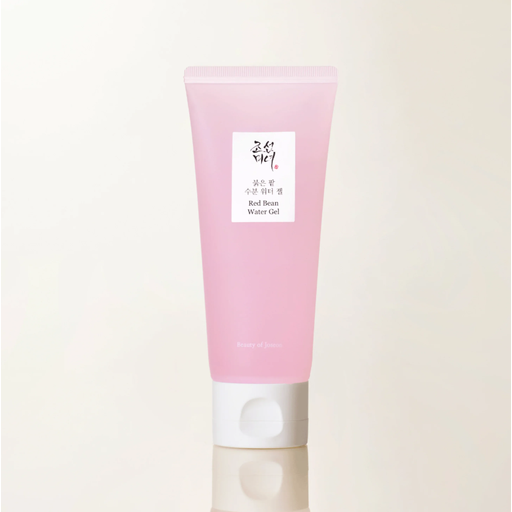
Why this product suits the profile: With its lightweight gel texture and 100ml size, this cream is ideal for beginners looking for straightforward Korean hydration without a heavy feel on the skin.
The watery gel texture helps you avoid an excessively heavy cream that may be unsuitable for both dry and oily skin. The INCI list can be viewed before purchase.
Lightweight gel cream, 100ml contents and humectants such as glycerine, panthenol and beta-glucan.
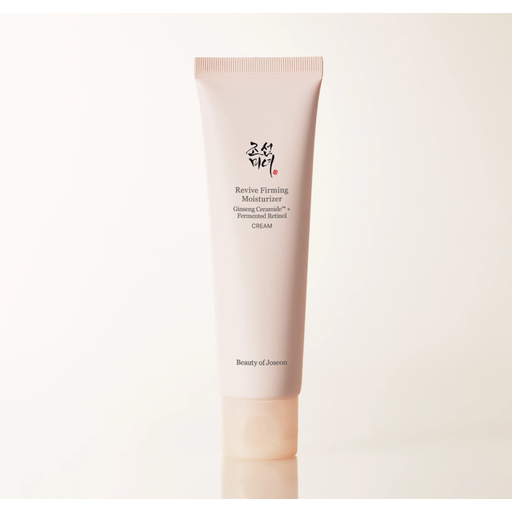
Why this product suits the profile: According to the product information, this gel cream combines fermented retinol, ginseng and ceramides. It is aimed at users looking for retinol skincare with a lightweight texture.
The product description specifies a lightweight, non-sticky gel cream. Nevertheless, retinol should be introduced gradually and combined with sun protection during the day.
60ml contents, a non-comedogenic product claim and a retinol-ginseng-ceramide combination according to the manufacturer’s description.
We have put together a complete, regularly updated list of products that fully meet these strict selection criteria and the safety regulations applicable in the EU.
Apply the cream after cleansing and after water-based skincare products such as toner or serum. For dry skin, you can adjust the amount; with combination skin, a thin layer on the T-zone and a little more product on dry areas is often sufficient.
Introduce new active ingredients one at a time. This makes it easier to identify whether redness or feelings of tightness are caused by a particular product. When using retinol, tranexamic acid or niacinamide, follow the instructions on the relevant packaging. A Korean moisturising cream with gentle ingredients can simplify your routine, but it is not a substitute for medical assessment if you have skin concerns.
For dry skin, richer formulations containing glycerine, squalane, shea butter, hyaluronic acid or ceramides may be suitable. A ceramide face cream can be used as the final step in your skincare routine. However, how it feels on your skin, its tolerability and the rest of your routine are all important.
The printed expiry date and the PAO symbol on the packaging, such as “12M”, are the key indicators. Store the cream in a cool, dry place away from direct sunlight. If its smell, colour or consistency changes noticeably, stop using the product.
This depends on your individual tolerance and the specific formulation. Start by using it infrequently, initially avoid combining it with several potentially irritating active ingredients, and use sun protection during the day. If you experience any discomfort, stop using the product temporarily.