
Lieferung heute & morgen

Qualitätsgarantie

Willkommens-Angebote freischalten: KOSTENLOSE Lieferung | Bis zu 80 % RABATT | Kostenlose 30-Tage-JoyPlus-Testphase
App herunterladen
Korean face masks are available in many varieties: classic sheet masks for the face, hydrogel masks, wash-off masks or complementary LED face masks. The choice may initially seem straightforward, but packaging claims such as “Glow”, “Brightening” or “Collagen” alone say little about whether a product is right for your needs.
Three common purchasing pitfalls occur particularly often:
For dry or dehydrated skin, formulations containing glycerin, hyaluronic acid, panthenol, ceramides or soothing plant extracts may be relevant. A moisturising face mask can temporarily leave the skin’s surface feeling smoother and more supple. It does not replace a daily skincare routine tailored to your skin type.
For sensitive skin or skin prone to redness, Centella asiatica, also known as Cica, and madecassoside are often used. A Centella serum can be a simple addition after using a mask. The SKIN1004 Madagascar Centella Ampoule, for example, is available in various sizes and contains a high proportion of Centella extract, depending on the variant. Check the current packaging information before buying.
For dull-looking skin, products often feature niacinamide, vitamin C, arbutin, liquorice extract or tranexamic acid. However, a niacinamide face mask or brightening face mask should not be viewed as a guaranteed solution for pigmentation or dark spots. If you notice visible or newly appearing changes to your skin, it is advisable to seek dermatological advice. During the day, suitable sun protection should form part of your routine.
A collagen face mask provides collagen as a cosmetic skincare ingredient. This can make the product feel smoother or more hydrating on the skin; it does not provide evidence of lasting structural changes.
Korean sheet masks differ considerably in terms of material and cut:
Look for specific details such as the number of pieces, amount of essence, recommended wear time and type of packaging. A resealable pack is practical for multi-packs, but it must be closed properly and stored according to the manufacturer’s instructions. Leaving a mask on your skin for longer does not automatically mean more skincare benefits. Follow the stated application time.
Cosmetic products intended for the German market should have clear labelling, a responsible person in the EU, ingredient information and shelf-life details. With Korean or Japanese cosmetics, batch numbers and packaging may vary depending on the importer. The labelling on the product actually delivered is therefore the relevant information.
An LED face mask is not a replacement for a sheet mask, but a technical cosmetic device. Before buying, check the wavelengths, number of LEDs, fit, battery, charging time and automatic shut-off. According to the product description, the Silk'n Facial LED Mask features 100 LEDs in four colours: red at 622 nm, blue at 463 nm, yellow at 592 nm and violet at 425 nm. The device offers an automatic 15-minute mode and a manual 10-minute mode. If you have a photosensitive condition, epilepsy, take photosensitising medication, are pregnant or are unsure whether it is suitable for you, seek medical advice before use.
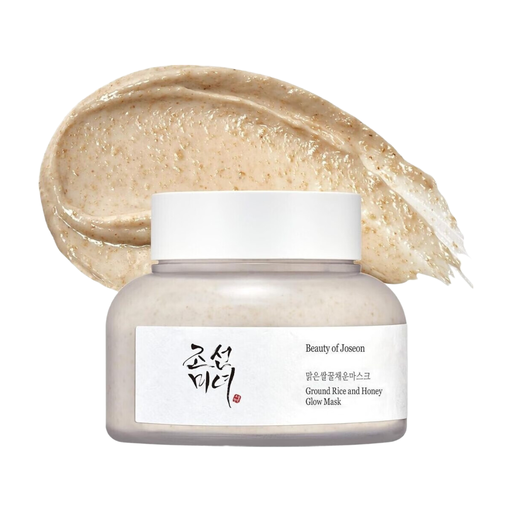
Why this product suits this profile: The wash-off mask can be incorporated into an existing weekly routine and does not require any additional devices or individually portioned sachets.
The application time is clearly stated as 15 to 20 minutes; after use, the mask is rinsed off with warm water.
Kaolin, honey, glycerin and rice powder; 150-ml format for repeated use.
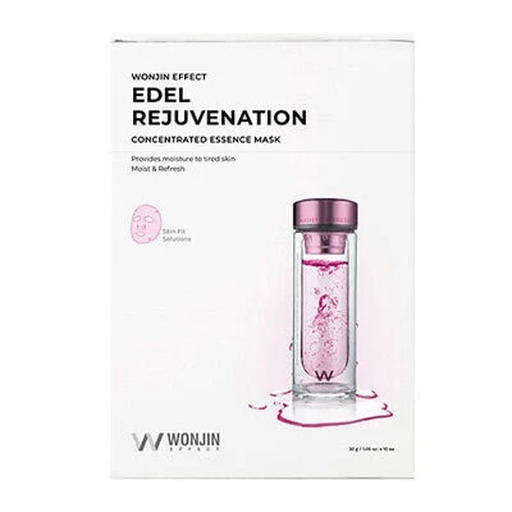
Why this product suits this profile: The set offers different focuses, including hydration, renewal and revitalising care, for users who want to compare ingredient profiles carefully.
The product description specifies 30 g of essence per sheet, an ultra-thin microfibre structure and an application time of 10 minutes.
Depending on the variant, the ingredients listed include hyaluronic acid, collagen, Centella asiatica, peptides or edelweiss extract.
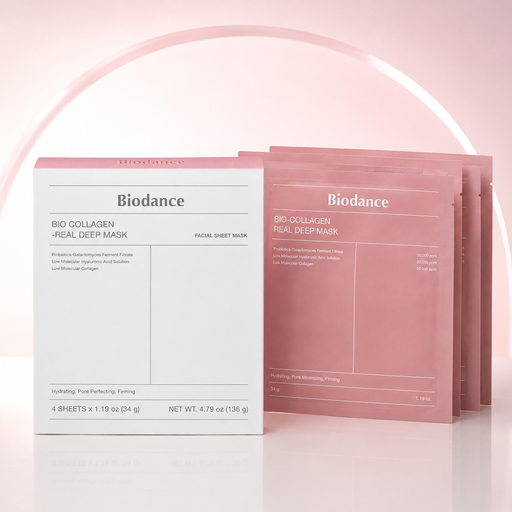
Why this product suits this profile: The hydrogel mask is intended for users who prefer a longer application time of three to four hours or overnight.
The wear time, number of pieces and storage below 25 °C are clearly specified; a patch test is recommended before first use.
Hydrogel format, 34 g per mask, plus ingredients such as collagen extract, niacinamide and hyaluronic acid.
Cleanse your face and apply a sheet mask to dry skin or to skin prepared according to the pack instructions. Keep the eye and lip areas uncovered. Remove the mask after the application time; any remaining essence can be gently patted into the skin. Wash-off products should be rinsed away.
Do not use several new active-ingredient products at the same time. For example, if your skin is sensitive, a brightening face mask containing vitamin C or niacinamide should not be used on the same evening as a highly acidic serum. If you experience burning, persistent redness, itching or swelling, stop using the product. Do not apply products to damaged, sunburnt or inflamed skin.
This depends on the product and its formulation. Many products recommend using them once to three times a week. The information on the packaging and your skin’s response are the most important factors. Leaving a mask on for longer or using it more frequently is not automatically better.
Hydrogel masks often contain moisturising ingredients such as glycerin or hyaluronic acid. They can feel pleasant on dry skin. Even so, check the complete INCI list and apply a cream afterwards to incorporate the treatment into your routine.
Individually packaged sheet and hydrogel masks should be used by the printed expiry date and used immediately after opening. For multi-packs, the seal, storage conditions and stated period after opening are crucial. Store face masks in a cool, dry place away from direct sunlight.