
Lieferung heute & morgen

Qualitätsgarantie

Willkommens-Angebote freischalten: KOSTENLOSE Lieferung | Bis zu 80 % RABATT | Kostenlose 30-Tage-JoyPlus-Testphase
App herunterladen
A Korean facial cleanser can be a useful addition to your daily skincare routine – provided its texture, ingredients and application suit your skin type. However, there are clear differences between cleansing foam, cleansing gel, cleansing oil and cleansing balm. If you buy based only on eye-catching terms such as “Deep Cleansing” or “Pore Care”, it is easy to overlook important details.
This buying guide from the Joybuy Product Recommendation Officer explains what K-Beauty enthusiasts in Germany should look out for and which products may suit different usage profiles.
Intensive cleansing is not automatically kinder to your skin. Highly foaming formulas or prolonged massaging can cause a feeling of tightness on dry or sensitive skin. For oily or blemish-prone skin, overly aggressive cleansing can also feel uncomfortable if the skin feels dry afterwards.
What matters is therefore not foam density alone, but the combination of mild surfactants, a short contact time and thorough rinsing.
A low-pH cleanser is often slightly acidic. Some products in this selection, for example, state a pH value of 5.5. This may appeal to people who prefer their skin to feel as balanced as possible after washing. However, the pH value does not automatically indicate whether a product is suitable for every skin type.
Fragrances, essential oils, exfoliating ingredients and your individual skin tolerance should also be checked. The current INCI list on the packaging is the authoritative source.
A facial cleansing oil or cleansing balm is primarily suitable for removing make-up, sun cream and oil-based residue. A water-based cleanser, such as a gel or facial cleansing foam, then removes water-soluble residue and any remnants from the first cleansing step.
This combination is known as double cleansing. It is particularly useful in the evening if you have worn make-up or waterproof sun protection. In the morning, depending on your skin type, a mild facial cleanser or gentle cleansing with water is often sufficient.
Surfactants bind water to dirt and skin oils so that they can be rinsed away. Product lists may include Cocamidopropyl Betaine, Coco-Glucoside, Sodium Cocoyl Isethionate or amino acid surfactants. The term “foam” mainly describes the texture; it does not automatically indicate how powerful the cleansing action is.
A stated pH value of 5.5 can be a useful point of comparison. Also check whether the product contains fragrances, essential oils or acids if your skin reacts sensitively to these ingredients.
A cleansing gel is usually applied to damp skin and then rinsed off. Cleansing oil and cleansing balm, on the other hand, are generally applied to dry skin, emulsified with water and then thoroughly removed.
For travelling or trying a product for the first time, smaller sizes such as 20, 25, 40 or 50 ml are suitable. For daily use, sizes from 120 to 210 ml may offer better value. The actual shelf life depends on the best-before date printed on the packaging or the period-after-opening symbol.
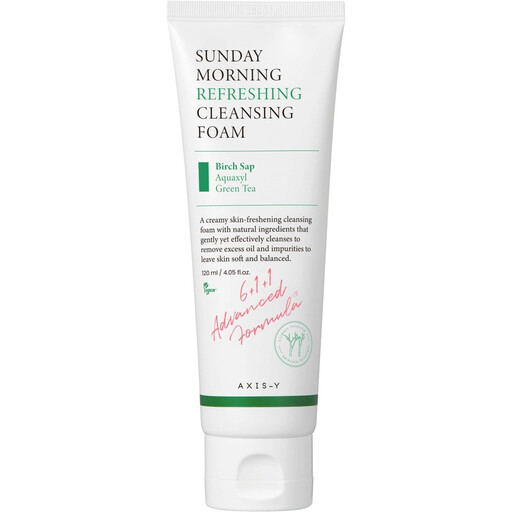
Why this product suits this profile: The creamy foam texture is easy to use in the morning and evening. According to the product details, the formula has a pH value of 5.5 and contains glycerine, birch water and botanical extracts, among other ingredients.
The stated low pH and guidance on gentle cleansing help ensure that the buying decision is not based solely on the amount of foam.
120 ml contents, creamy foam and a stated pH value of 5.5.
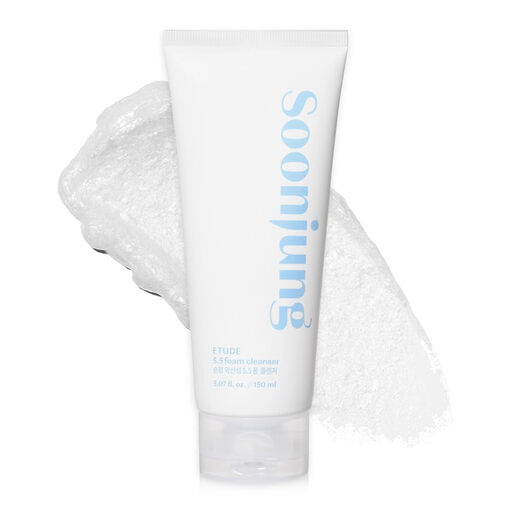
Why this product suits this profile: The product description states a pH value of 5.5, as well as panthenol and madecassoside. The formula is described as being free from perfume, parabens and synthetic colourants.
The clearly presented formula makes it easier to compare the product with personal exclusion criteria, such as fragrances.
150 ml contents, pH 5.5, plus panthenol and madecassoside according to the product details.
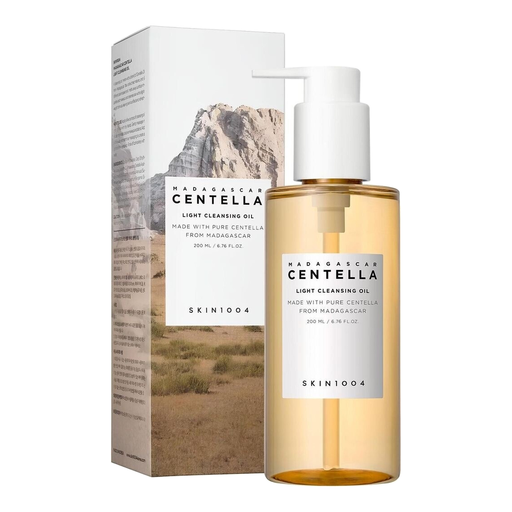
Why this product suits this profile: If you regularly wear sun cream or make-up, you can use this cleansing oil as the first step in double cleansing. According to the product details, it is applied to dry skin and emulsified with water.
It does not automatically replace the second cleansing step. The clearly described oil-to-milk application helps reduce the risk of leaving residue behind through inadequate rinsing.
200 ml contents and clearly stated emulsification with water.
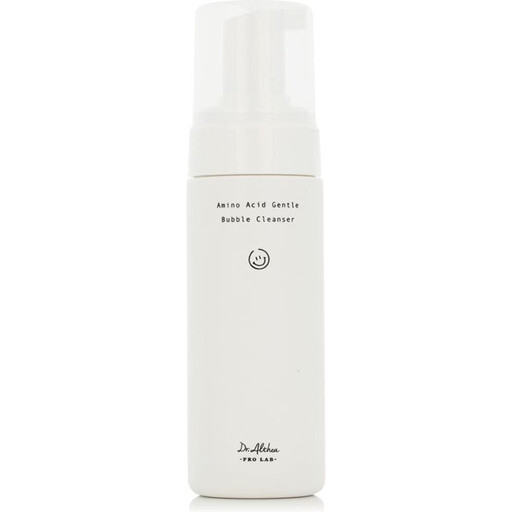
Why this product suits this profile: The foam dispensed by the pump bottle is suitable for quick daily cleansing. According to the product description, it contains 17 amino acids, as well as Ceramide NP and sodium hyaluronate.
The ready-made foam makes vigorous rubbing unnecessary. However, the declared fragrance ingredient limonene should be taken into account before purchase.
140 ml contents, pump dispenser and amino acids according to the product details.
We have put together a complete, regularly updated list of products that fully meet these strict selection criteria and the safety regulations applicable in the EU.
Products with a lower pH, mild surfactants and a straightforward selection of fragrance ingredients can provide useful guidance. Examples include the Etude House SoonJung pH 5.5 Foam Cleanser and the AXIS-Y Sunday Morning Refreshing Cleansing Foam. However, individual skin tolerance remains the deciding factor.
No. Double cleansing is particularly useful when you need to remove make-up, sun cream or oil-based residue. On days when you have not used these products, a single mild facial cleanser may be sufficient.
This depends on the size, dosage and frequency of use. With daily use, 120 to 150 ml will often last for several weeks to months. A pump dispenser or a small, controlled amount can help you estimate consumption more accurately. Always check the period-after-opening symbol and the information on the packaging.