
Lieferung heute & morgen

Qualitätsgarantie

Willkommens-Angebote freischalten: KOSTENLOSE Lieferung | Bis zu 80 % RABATT | Kostenlose 30-Tage-JoyPlus-Testphase
App herunterladen
A Korean seaweed snack can be eaten straight from the pack, served with rice or used as a topping for soups and salads. However, there are clear differences between gim snacks, roasted seaweed sheets and sushi nori. If you focus only on large packs, eye-catching flavour descriptions or supposed health claims, you can easily end up buying something that does not suit your needs.
Roasted, seasoned seaweed sheets are usually thin, crispy and individually portioned. They are suitable for eating straight away, but the oil and salt can make them too strongly seasoned for more delicately flavoured sushi. Plain sushi nori, on the other hand, generally contains dried laver seaweed without additional seasoning and can be combined neutrally with rice and fillings.
The small individual pack may seem light, but nutritional information normally refers to 100 g. When comparing products, you should therefore look at fat, saturates, sugar and salt per 100 g, while also taking the actual pack size into account. A product containing 4.5 g per serving cannot be compared directly with a 50-g bag.
Dried seaweed quickly absorbs moisture from its surroundings. A resealable pack helps, but it does not replace dry storage. Once opened, seaweed sheets should ideally be eaten soon or sealed in an airtight container. With sushi nori, damaged or damp packaging is particularly problematic, as the sheets are more likely to tear when rolled.
For a crispy seaweed snack, roasted and seasoned varieties such as Original, Wasabi, Teriyaki or Chilli are a good choice. Finely crumbled products such as gimjaban are also suitable for rice dishes and salads. If you are looking for seaweed for sushi, choose whole, preferably unseasoned sheets and check that the number of sheets is clearly stated.
The ingredients list shows whether the product contains plant oils, sesame oil, sugar, seasoning blends or flavour enhancers in addition to seaweed. Allergens should be checked particularly carefully with seasoned products. Commonly relevant allergens include sesame, soya, wheat and crustaceans. Even if an item appears suitable for vegetarians or vegans, the specific labelling on the packaging is decisive.
For example, Delief Wasabi Seasoned Laver contains sesame. The Kimnori Teriyaki variety lists soya, wheat and sesame. Chung Jung One Roasted Seasoned Laver Snack Flake contains prawns and nuts as well as sesame. Families and people with intolerances should therefore check the complete ingredients and allergen information carefully.
Individual portions of 3 × 4 g or 3 × 4.5 g are practical for taking on the go and help prevent the pack from being opened repeatedly. Larger bags of 30 g to 50 g are suitable for households where seaweed is regularly eaten with rice, in bowls or in soups. Regardless of the format, always follow the information on the relevant pack regarding the best-before date, origin and storage.
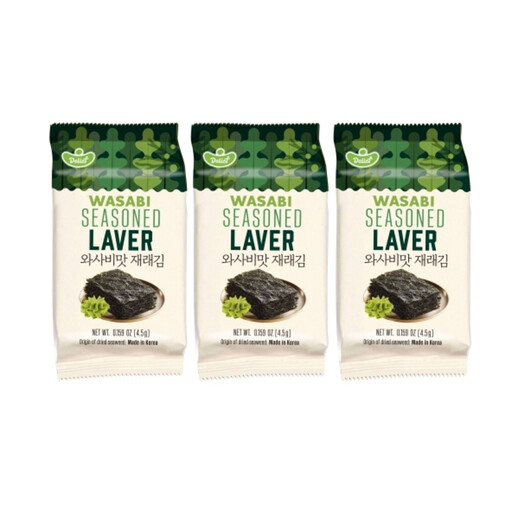
Why this product suits the profile: Three individual packs of 4.5 g each offer an approachable introduction to seasoned Korean seaweed sheets. The wasabi seasoning is aimed at shoppers looking for a distinctly flavoured gim snack rather than neutral nori.
The net quantity and individual portions are clearly stated. Sesame and the seasoning ingredients are listed and should be checked before buying.
Three portioned packs, roasted laver seaweed and wasabi seasoning. Origin according to the product information: South Korea.
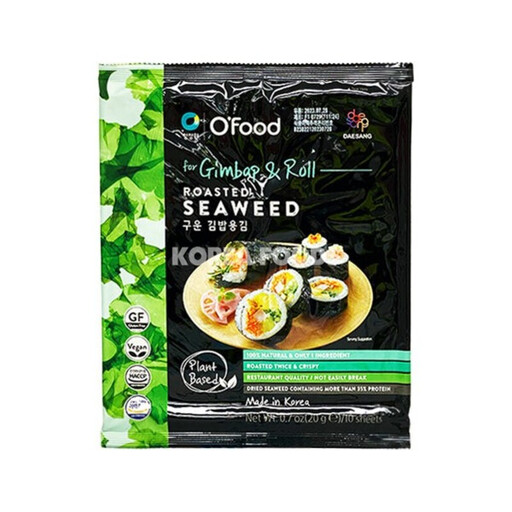
Why this product suits the profile: This pack is designed for whole sushi nori sheets to make homemade rolls. At the same time, the crispy sheets can be eaten without preparation or broken up and used as a topping.
The sushi designation makes its intended use clear. As no additional seasoning is described, the flavour can be combined flexibly with rice and fillings.
20 g of dried seaweed sheets, described as suitable for sushi and with no declared allergens.
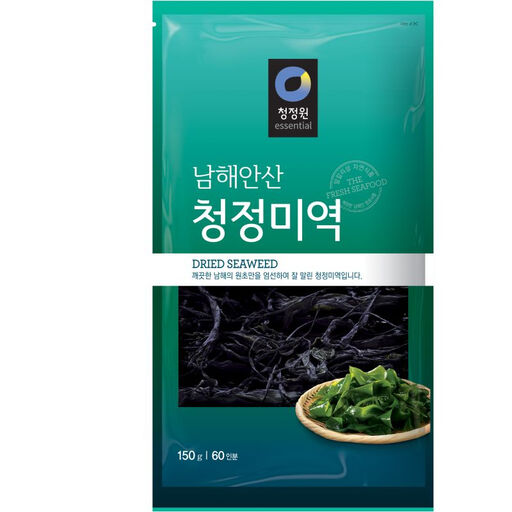
Why this product suits the profile: The large 150-g pack is aimed at households that regularly use dried seaweed in soups, salads, wraps, rice dishes or as a snack.
The large quantity is stated transparently and is not disguised as a small snack portion. As this is unseasoned dried seaweed, it remains versatile.
150 g net quantity, 100% dried seaweed according to the product information, suitable for use as a wrap, snack or seasoning ingredient.
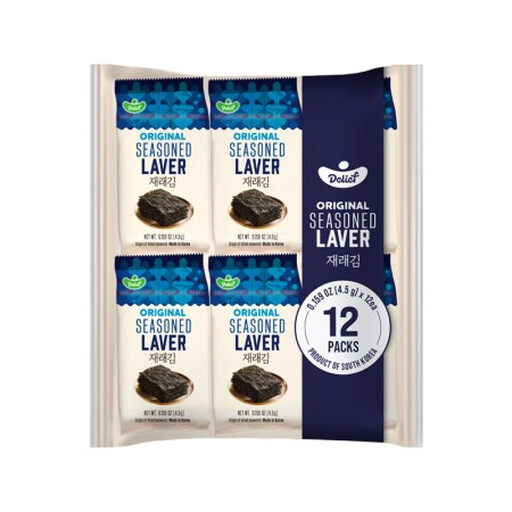
Why this product suits the profile: Twelve individual portions of 4.5 g each are suitable for keeping in stock, as well as for school, the office and days out. The Original seasoning is milder than Wasabi or Chilli.
The individual portions reduce the need to reopen the full quantity repeatedly. Nevertheless, the HALAL designation and ingredients should be checked against your personal requirements.
12 portioned packs, roasted and seasoned laver seaweed, and resealable packaging according to the product description.
We have put together a complete, regularly updated list of products that fully meet these strict selection criteria and the safety regulations applicable in the EU.
Not necessarily. Korean nori, also known as gim, is often roasted and seasoned with oil and salt. Sushi nori is usually intended as a whole, unseasoned sheet for rolls and kimbap. The specific ingredients list and product description determine how it should be used.
Once opened, a Korean seaweed snack should ideally be eaten immediately or sealed in an airtight container. Moisture, heat and direct sunlight affect its crispy texture. With larger packs, it can be helpful to take out only a small amount for serving and reseal the rest straight away.
This depends on the product. According to the ingredients information, some plain dried seaweed products consist exclusively of laver. Seasoned varieties, however, may contain sesame, milk ingredients, soya, wheat or prawns. For a safe choice, always rely on the current ingredients and allergen information on the packaging.