
Lieferung heute & morgen

Qualitätsgarantie

Willkommens-Angebote freischalten: KOSTENLOSE Lieferung | Bis zu 80 % RABATT | Kostenlose 30-Tage-JoyPlus-Testphase
App herunterladen
Korean skincare encompasses far more than sheet masks and a dewy complexion. Depending on your skin’s condition, you can choose from lightweight hydrating serums, Centella Asiatica skincare, niacinamide serum, eye care, toner pads and complete skincare sets. However, the wide range of options can lead shoppers to choose products based on attention-grabbing marketing claims rather than their actual ingredients.
“Glow”, “Brightening” and “Pore Care” often describe a product’s positioning, but they do not automatically indicate its specific effects. The full INCI list on the packaging is what matters. It shows whether the product contains ingredients such as niacinamide, glycerin, ceramides, hyaluronic acid or Centella Asiatica.
If you have sensitive skin, you should also check for fragrances, essential oils, alcohol and exfoliating acids. Botanical ingredients can also cause individual sensitivities.
A niacinamide serum, exfoliant, retinal eye serum and clarifying mask do not automatically belong in the same routine. Introducing several new products at once can also make it difficult to identify which product has caused irritation.
A step-by-step routine is more sensible:
Acne and blemish care is cosmetic skincare. Persistent, painful or inflamed skin changes should be assessed by a dermatologist.
Sheet masks, hydrogel masks and toner pads often contain many individual applications. However, it is important to consider how long the product can be used after opening, as well as the closure, storage conditions and actual rate of use. An opened jar or pouch of pads should be closed securely and stored according to the packaging instructions.
For dry skin, formulations containing glycerin, hyaluronic acid, beta-glucan or ceramides are often suitable. A hydrating serum should spread comfortably and work well with the cream applied afterwards. Lightweight, watery textures are often a better fit for a multi-step routine than highly occlusive products.
For oily or blemish-prone skin, lightweight gels, niacinamide or salicylic acid may be worth considering. Tolerance varies from person to person; if a product contains acids or essential oils, it is best to introduce it cautiously.
Terms such as “brightening skincare” should not be confused with medical treatment. Daily UV protection remains a key part of any routine for pigmentation concerns.
The product should clearly show details including ingredients, the best-before date or batch number, the responsible person in the EU and directions for use. The product description may change between batches, so the packaging is the authoritative source when buying.
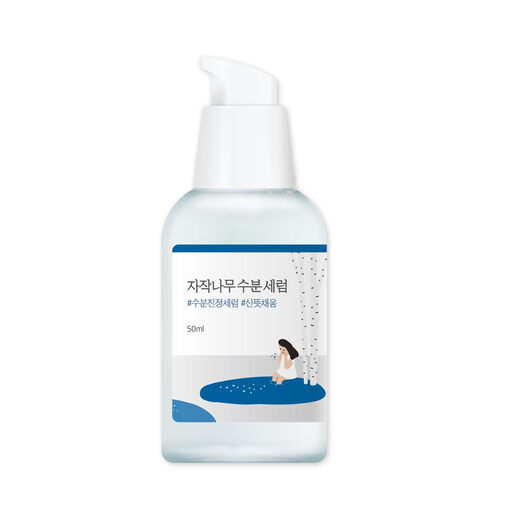
Why this product suits the profile: A single hydrating serum is easy to add to an existing routine. According to the product description, it contains birch leaf juice, glycerin and several forms of hyaluronic acid.
The choice focuses on a clearly defined skincare goal rather than an overloaded combination of multiple active products.
Lightweight texture, 50 ml content, several humectants and, according to the product description, a vegan, dermatologically tested formulation.
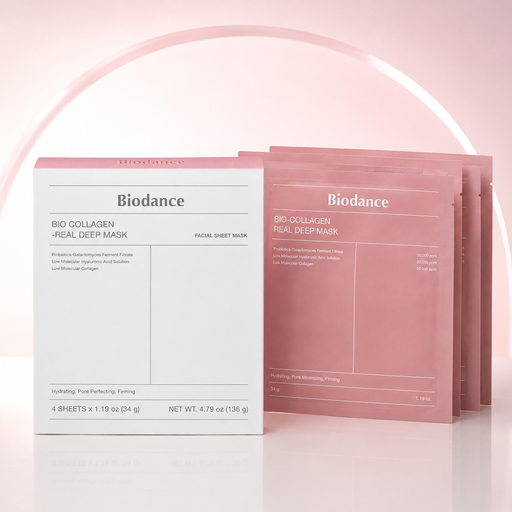
Why this product suits the profile: This hydrogel mask is designed for people looking for a clearly defined single-use treatment for weekly hydration.
The pack size and recommended use of once or twice a week make it easier to plan consumption.
Hydrogel format, 34 g per mask, niacinamide and hydrolysed hyaluronic acid according to the INCI list.
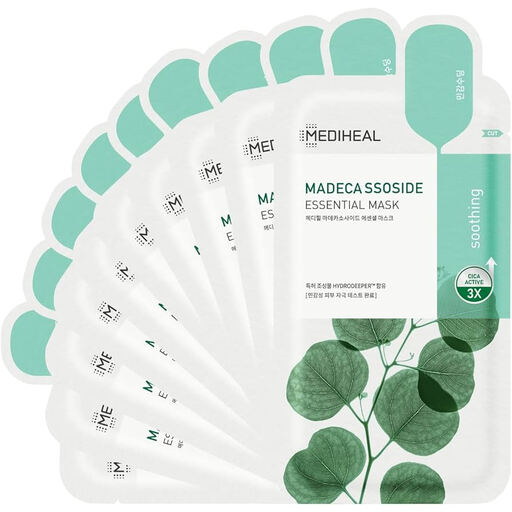
Why this product suits the profile: The multipack is suitable for regular mask treatments. According to the product description, it contains Centella Asiatica, madecassoside, panthenol and sodium hyaluronate.
The recommended use of two to three times a week provides clear guidance and helps prevent unnecessarily frequent use.
10 individual masks, bamboo fibre material according to the product information and a short leave-on time of 15 to 20 minutes.
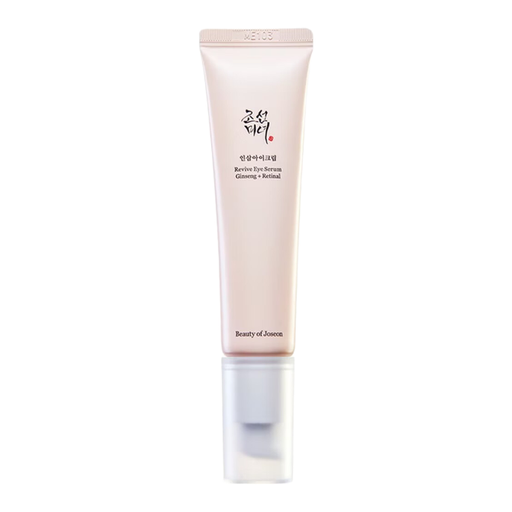
Why this product suits the profile: The product is intended for the eye area or, according to the directions for use, the entire face, and contains ginseng, retinal, ceramides and sodium hyaluronate.
The retinal indication makes it clear that the product should be introduced cautiously and not used on irritated skin.
30 ml content, pump format and a clearly stated combination of ginseng and retinal.
We have put together a complete, regularly updated list of products that fully meet these strict selection criteria and the safety regulations applicable in the EU.
New Korean facial skincare should first be tested on a small area of skin. Discontinue use if you experience burning, persistent redness, itching or swelling. Do not combine retinal, salicylic acid, glycolic acid or other exfoliating ingredients with additional active products without checking first.
Sheet masks and hydrogel masks are applied after cleansing and, if appropriate, after toner. Do not exceed the leave-on time stated on the packaging. A niacinamide serum or hydrating serum is generally applied before cream. Sun protection should be the final step of your morning routine.
Products containing glycerin, hyaluronic acid, beta-glucan, ceramides or plant-based humectants may suit a hydrating routine. Applying a cream over your serum helps complement the moisturising care in your routine. Personal tolerance remains the deciding factor.
The best-before date, batch number and PAO symbol on the packaging are the key references. After opening, products should be closed securely, stored in a dry place and protected from direct sunlight. If the colour, smell or consistency changes, use is not recommended.
For beginners, cleanser, moisturiser and sun protection are usually enough. Depending on your skin goal, you can then add a serum, toner pad or mask. Keeping your routine manageable makes it easier to assess your tolerance of individual products.