
Lieferung heute & morgen

Qualitätsgarantie

Willkommens-Angebote freischalten: KOSTENLOSE Lieferung | Bis zu 80 % RABATT | Kostenlose 30-Tage-JoyPlus-Testphase
App herunterladen
If you’re looking to buy creatine monohydrate, you’ll find a wide range of powders, capsules and combination products. But the differences aren’t just about price. The dosage, purity, ingredients and format all affect whether a product suits your routine.
When choosing creatine for muscle building or support during short bursts of high-intensity exercise, three common buying mistakes often crop up:
The label should state both the amount of creatine monohydrate and the proportion that is pure creatine. Many products are based on a daily intake of around 3 g of pure creatine. According to the authorised nutrition claim, a daily intake of 3 g of creatine contributes to improved physical performance during short bursts of high-intensity exercise.
So don’t just compare the number of servings. Check:
A so-called loading phase isn’t needed for the products covered here. What matters is taking the product daily, as directed on the packaging.
A straightforward creatine powder often contains only creatine monohydrate. This is a good option if you want to mix your supplement with water, juice or a protein shake. Terms such as ‘ultra-fine’, ‘micronised’ or ‘microfine’ refer to the particle structure and may make the powder easier to mix. They aren’t, on their own, proof of product quality.
Creapure creatine is creatine monohydrate sold under a protected brand name. According to the respective suppliers’ product information, it is made in Germany. Even so, check the specific product’s ingredients, serving size and manufacturer information.
If you’re looking for vegan creatine, also check the capsule shell and any other ingredients. Powder containing only creatine monohydrate is usually easy to assess. Capsules often have a hydroxypropyl methylcellulose shell; the product’s labelling is what matters.
Creatine powder is usually easy to adjust to your preferred dose and can be mixed into water or other drinks. Unflavoured creatine is especially suitable if you plan to add it to a shake or drink. A 500 g pack can provide plenty of servings with daily use, but you’ll need scales or a measuring scoop to keep your dose consistent.
Creatine capsules are convenient for taking on the go and save you from measuring out a serving. Depending on the product, though, you may need to take several capsules a day. The price per gram may be higher, and capsules also mean more packaging and capsule material.
For both formats, store the product in an airtight container in a dry place, and stick to the recommended daily amount. Food supplements are no substitute for a varied diet. The products in this selection are intended for adults. If you’re pregnant or breastfeeding, have a medical condition or take medication, it’s sensible to speak to a healthcare professional.
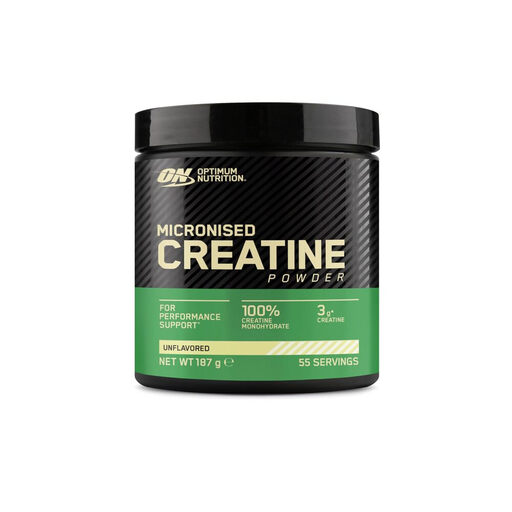
Why it suits this profile: According to the product information, one serving provides 3 g of pure creatine from 3.4 g of creatine monohydrate. The unflavoured powder can be mixed with water or a protein shake.
The ingredients list contains only creatine monohydrate, so there’s no need to compare extra flavourings or stimulants.
Micronised powder, a neutral taste and around 55 servings according to the product information.
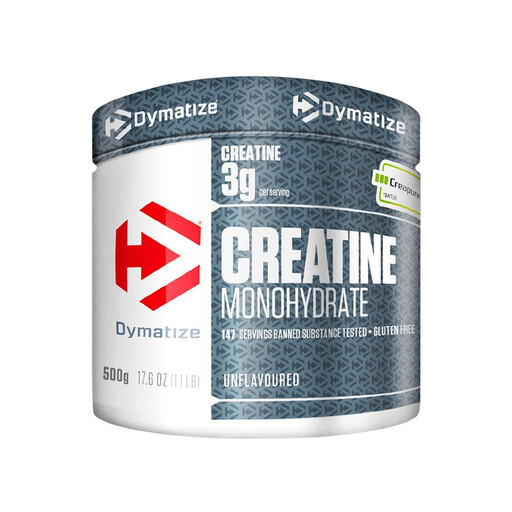
Why it suits this profile: According to the product information, each serving contains 3.4 g of creatine monohydrate, including 3 g of pure creatine. The product is labelled vegan, gluten-free and lactose-free.
The amounts of monohydrate and pure creatine are listed separately, making it easy to work out your actual daily intake.
500 g pack, neutral taste and a measuring scoop included, according to the product description.
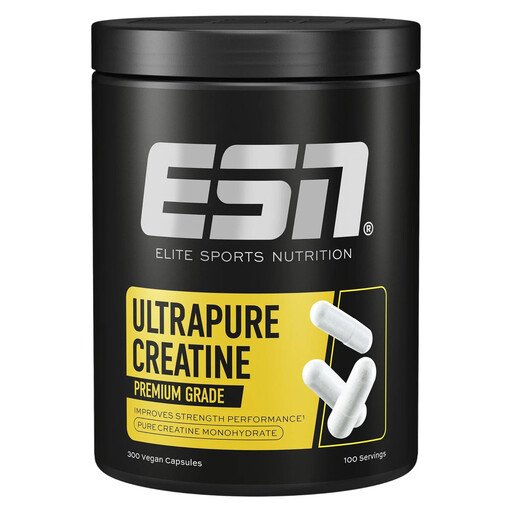
Why it suits this profile: According to the product information, three capsules a day provide 3 g of pure creatine. This format suits anyone who doesn’t want to measure out or mix powder when they’re out and about.
A fixed capsule serving helps reduce measuring errors. The capsule material and creatine monohydrate are also listed separately in the ingredients.
300 capsules, or 100 daily servings, according to the product information; vegan and unflavoured.
For many adults, taking creatine once a day is simpler than planning a pre-workout supplement around a precise time. With powder, don’t assume a measuring scoop is the same as a teaspoon. Follow the manufacturer’s gram measurement. For capsules, stick to the recommended number.
Here’s a simple way to compare costs:
Pack price ÷ grams of pure creatine = price per gram
For capsules, you can also work out the price per daily serving. A large 500 g pack of creatine may suit regular users, while smaller packs require less storage space if you want to try creatine first or only train occasionally.
We’ve put together a complete, regularly updated list of products that meet these strict selection criteria and fully comply with the safety regulations in force in the EU.
The specific best-before date is printed on the packaging. Once opened, store the product in a cool, dry place away from light, and keep it tightly sealed. Moisture can make powder harder to handle and measure.
It depends on the pack price, serving size and proportion of pure creatine. Powder often has fewer additional ingredients and may work out cheaper per gram. Capsules provide a measured serving and are easier to take when you’re out and about.
Product instructions usually recommend taking it every day, not just on training days. Follow the recommended daily serving and the directions on the packaging. If you’re unsure or have any existing health concerns, speak to a healthcare professional.