
Lieferung heute & morgen

Qualitätsgarantie

Willkommens-Angebote freischalten: KOSTENLOSE Lieferung | Bis zu 80 % RABATT | Kostenlose 30-Tage-JoyPlus-Testphase
App herunterladen
ALAIN MICHAL jewellery featuring lab-grown diamonds combines clean designs with 18K gold-plated S925 sterling silver, colourful accents and a variety of symbolic details. However, terms such as “1 carat”, “D/VVS” or “French design” should not be the only factors influencing your purchase. The material, fit, care requirements and precise meaning of the carat specification are what really matter.
Otherwise, common purchasing mistakes can easily occur, particularly when choosing a gift, engagement ring or everyday piece of jewellery.
The specification 1 carat describes the weight of the diamonds, not necessarily their diameter or visual impact. In a piece of jewellery, the weight may also refer to one central stone or several stones. You should therefore check whether “1 carat” refers to the centre stone, the entire piece of jewellery or a particular product variant.
With 18K gold-plated jewellery, the core is not made from solid 18-carat gold. Instead, the gold layer is applied to a base material such as S925 sterling silver. This can be a good option if you want a gold-coloured look, but it requires appropriate care. Perfume, chlorine, seawater, cleaning products and perspiration can cause the plating to change more quickly.
An incorrect ring size can affect both comfort and security. For the ALAIN MICHAL rings listed, for example, sizes 10 to 15 correspond approximately to a finger circumference of 49 to 54 mm. As international sizing systems are not always identical, you should measure your finger circumference and compare it with the relevant size chart.
S925 stands for sterling silver with a fineness of 92.5 per cent silver. For gold-plated models, it should also be clearly stated that the piece has a gold coating. The products in this selection are described as 18K gold-plated S925 silver. The material is suitable for everyday jewellery, but it does require careful handling.
If you are looking for sustainable diamond jewellery, you should consider the wording carefully: lab-grown diamonds are produced using technical processes and are not mined diamonds. This alone does not provide a blanket statement about their overall environmental impact, however. Factors such as the energy source, production location, origin of the metal, packaging and product lifespan remain relevant.
Product specifications such as D-E for colour or VVS-VS for clarity are gemmological criteria. They can offer indications of a stone’s appearance, but should always be considered in relation to the specific stone and its certification. The ALAIN MICHAL Dual-Halo model is described as featuring two round lab-grown diamonds with a total weight of 2.03 carats, along with D-E colour and VVS-VS clarity grades.
A slim ring such as the Octave Scale Series is described as having a 1.7 mm-wide band. This creates a subtle look and makes it easy to combine with other jewellery. A Dual-Halo ring, by contrast, has a much more prominent design. For necklaces, the chain length and pendant size are important: the Auspice necklace is listed as 45 cm long, making it suitable for many classic necklines.
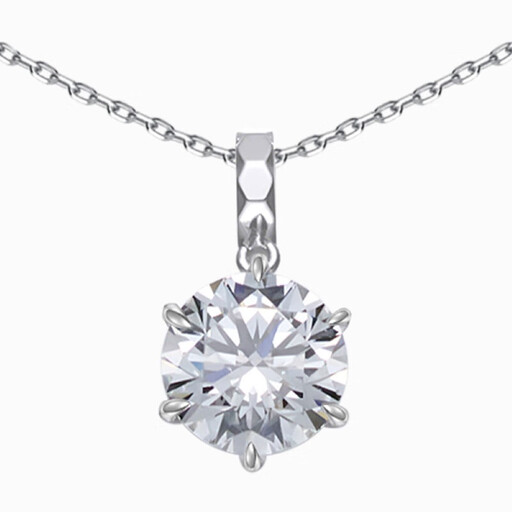
Why this product suits the profile: The heart shape and light weight make it a clearly recognisable gift for everyday wear or special occasions. A hidden sapphire adds a subtle design detail to the pendant.
The product description specifies the base material, the 18K gold plating and the hidden sapphire. This makes it easier to assess the material construction before buying.
Heart-shaped lab-grown diamond; 45 cm chain length not specified, so please check the product page. Care instructions for the gold plating are clearly provided.
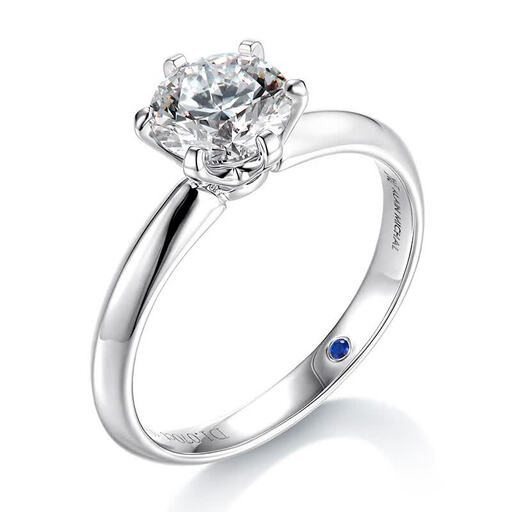
Why this product suits the profile: The Dual-Halo ring combines striking geometry with a hidden blue sapphire. It is ideal for anyone looking for an elegant engagement ring with a symbolic detail and a strong visual presence.
The product description specifies the claw-free setting, lab-grown diamond, sapphire and ring sizes 10 to 15. This makes the construction easier to assess than a purely design-focused description.
S925 silver with an 18K gold coating, a hidden sapphire and specified size options. The slim, tapered band is designed to create the appearance of a longer hand.
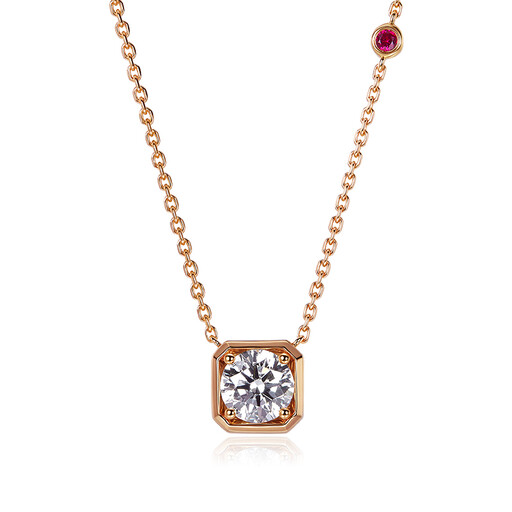
Why this product suits the profile: This 45 cm diamond necklace with ruby combines a geometric pendant with two red rubies. It is a good choice for anyone who prefers colourful accents over an exclusively white design.
The chain length and material are clearly specified. The care recommendation advises protecting the necklace from chemicals and storing it in a jewellery box.
18K gold-plated sterling silver, a round central diamond and two rubies. The standard chain length makes choosing it as a gift easier.
Another ring option is the Octave Scale Series, featuring a 1.7 mm band, an 18K gold coating and lab-grown diamonds. Sizes 10 to 15 are listed for finger circumferences of approximately 49 to 54 mm. It is particularly appealing if you are looking for a subtle lab-grown diamond ring for everyday styling.
We have put together a complete, regularly updated list of products that fully meet these strict selection criteria and the safety regulations applicable in the EU.
For gold-plated S925 jewellery, the lifespan depends primarily on how often it is worn, contact with the skin and how it is cared for. The following practical tips apply to the models mentioned:
These are care and maintenance recommendations, not a guarantee of a specific lifespan. Before buying, you should also check the returns, sizing and certification details on the product page.
That depends on the design, ring size, material and personal preference. A lab-grown diamond fundamentally has the same chemical composition as a natural diamond, but is produced under controlled conditions. For an engagement ring, you should also consider the exact stone description, any certificates and how to care for the gold coating.
The necklace should be removed before showering, swimming, exercising and applying perfume. A soft, dry cloth is sufficient for regular cleaning. Chemicals and ultrasonic cleaning can damage the coating or setting.
Alongside the design, the material specification, distribution of the stones, chain or ring size and care instructions are crucial. With a 1-carat piece of jewellery, you should also clarify whether the specification refers to the centre stone or the total weight of all the diamonds.