
Lieferung heute & morgen

Qualitätsgarantie

Willkommens-Angebote freischalten: KOSTENLOSE Lieferung | Bis zu 80 % RABATT | Kostenlose 30-Tage-JoyPlus-Testphase
App herunterladen
Choosing the right lamps and lighting can transform a room—or become a source of daily frustration. Perhaps you've experienced it: the newly installed dimmable lamp flickers or hums, the light from the expensive LED lighting feels cold and impersonal, or the fixture advertised as safe turns out to be unsuitable for its intended location.
Such problems often stem from overlooked technical details or misleading product descriptions. Before making a decision, it's crucial to understand the most common pitfalls so you can find products that truly meet your needs.
An unsuitable light fixture is more than just an aesthetic issue. It can impair a room's functionality and even pose safety risks. Here are three critical points that are often overlooked:
To avoid these mistakes, focus on a few essential technical features. These will give you an objective basis for your purchasing decision.
In the past, wattage was a measure of a light bulb's brightness. With modern LED lighting, however, this value is merely an indicator of energy consumption. The actual brightness is measured in lumens (lm).
The colour temperature determines whether a light is perceived as warm and cosy or cool and stimulating.
Models with adjustable colour temperature (often referred to as CCT – Correlated Colour Temperature) offer maximum flexibility.
Instead of making a one-size-fits-all recommendation, we have identified products tailored to specific needs and user profiles.
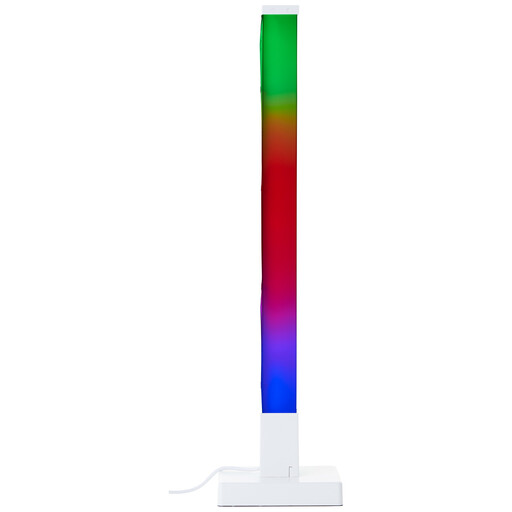
Why This Fits Their Persona: Ideal for users who want dynamic lighting for parties, gaming, or relaxation. This RGB lamp transforms any room into an interactive light show.
The dimming and colour-changing functions are controlled via the included remote. This completely bypasses compatibility issues with external dimmers.
The integrated music sensor syncs the light effects to the rhythm of the music, creating a unique audiovisual experience.
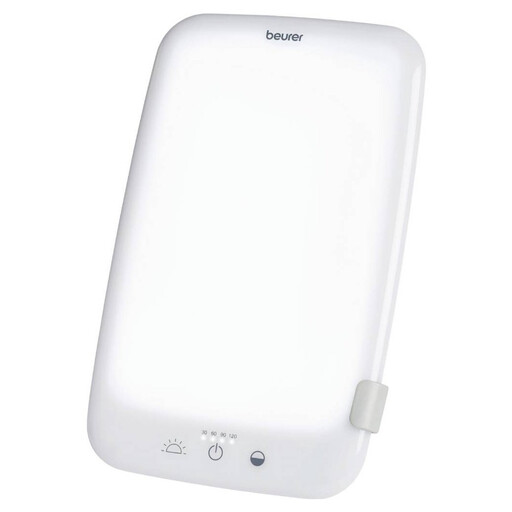
Why This Fits Their Persona: Designed for individuals who suffer from fatigue or mood swings during the darker months. This daylight lamp is a functional tool to support well-being.
As a certified medical device (according to the manufacturer) with a clearly defined purpose, it avoids the trap of unsuitable colour temperature, as its function is to simulate intense daylight.
Simulates a light intensity of 10,000 lux (at a distance of 15 cm) and offers three colour temperature modes. According to the manufacturer, operation is flicker-free and UV-free.
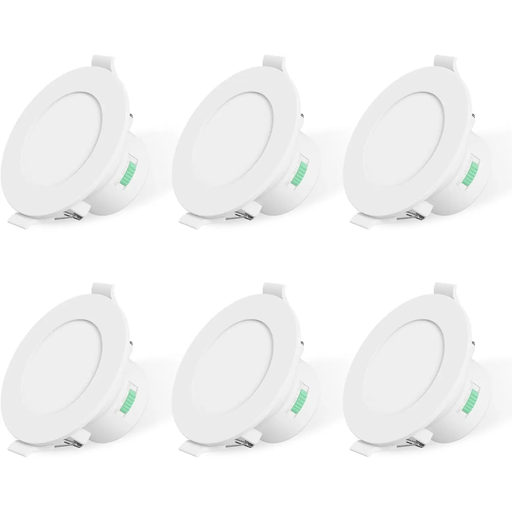
Why This Fits Their Persona: A complete solution for safe and stylish illumination of stairwells and hallways. This stair lighting set combines function with modern design.
With an IP44 rating, it is suitable for installation in areas with potential moisture. The 3CCT function allows the colour temperature to be selected on-site, preventing poor choices.
Offers high flexibility with adjustable colour temperature, selectable power levels, and dimmability (with a compatible dimmer). Connects directly to 230V.
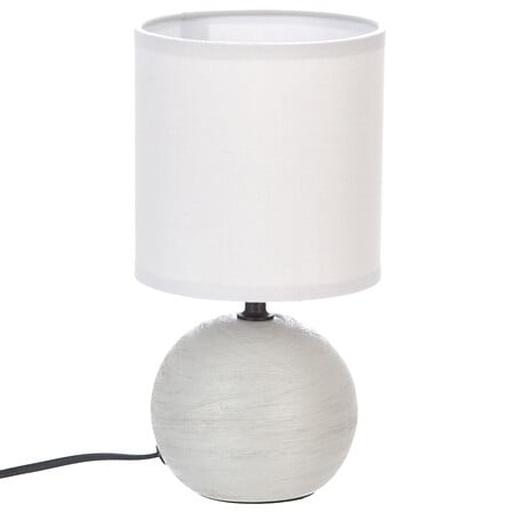
Why This Fits Their Persona: For anyone looking for a simple yet effective decorative lamp. This modern table lamp made of ceramic adds an elegant accent to side tables or dressers.
By using a standard E14 socket, the user has full control. They can choose a bulb with the desired brightness (lumens) and colour temperature (Kelvin) themselves.
The high-quality ceramic material with a subtle striped texture creates a pleasant, diffused light and serves as a stylish decorative object even when switched off.
We've compiled a complete, up-to-date list of products that fully meet these strict selection criteria and safety standards.
"Dimmable" refers to the ability to continuously adjust the brightness (lumens) of a light. "3CCT" means you can switch between three preset colour temperatures (e.g., Warm White, Neutral White, Cool White). Some lights offer both functions, providing maximum control over the lighting mood.
As a rule of thumb for general lighting in a living space, 100 to 150 lumens per square metre are recommended. For a 20 m? living room, that would be 2000 to 3000 lumens, which should be distributed across multiple light sources (e.g., ceiling light, floor lamp, table lamp) to create a pleasant atmosphere.
No. You must pay attention to the base type (e.g., E27, E14, GU10). Additionally, you should not exceed the maximum wattage indicated on the fixture, even though LED bulbs consume significantly less energy. For enclosed fixtures, you should also ensure there is adequate heat dissipation, as overheating can shorten the lifespan of the LED.