
Lieferung heute & morgen

Qualitätsgarantie

Willkommens-Angebote freischalten: KOSTENLOSE Lieferung | Bis zu 80 % RABATT | Kostenlose 30-Tage-JoyPlus-Testphase
App herunterladen
Choosing the right lighting can completely transform a room. However, the market for lamps & lighting is overwhelming, and well-intentioned purchases often lead to disappointment. Perhaps this sounds familiar: a lamp that looked appealing online turns out to be poorly made, or the light from a new fixture is unpleasantly harsh instead of cosy.
Many buyers focus on design while overlooking the technical details that determine longevity and functionality. Two common pitfalls are:
This guide will help you avoid these and other mistakes by objectively explaining the crucial parameters.
Before you make a decision, you should check three fundamental aspects. These will help you distinguish quality from the clutter and find a light that excels in both aesthetics and function.
A room's atmosphere is largely determined by the quality of light. Two values are critical here:
The longevity of a light fixture depends heavily on the materials used and their craftsmanship. Models made of solid aluminium, steel, or glass are generally more robust than those made of simple plastic.
The IP rating (Ingress Protection) is particularly important, as it indicates how well a fixture is protected against the intrusion of foreign objects and water.
A modern design should always be paired with solid construction to ensure long-term use.
Before buying, consider which features you really need. Dimmability offers flexibility to adjust the lighting mood. For wall lights or ceiling lights, the installation method is also relevant: does it require a direct power connection in the wall or ceiling, or is it powered by a cable with a plug? Also, check whether the light source is built-in or replaceable.
To make the choice easier, we have matched some models to different requirement profiles.
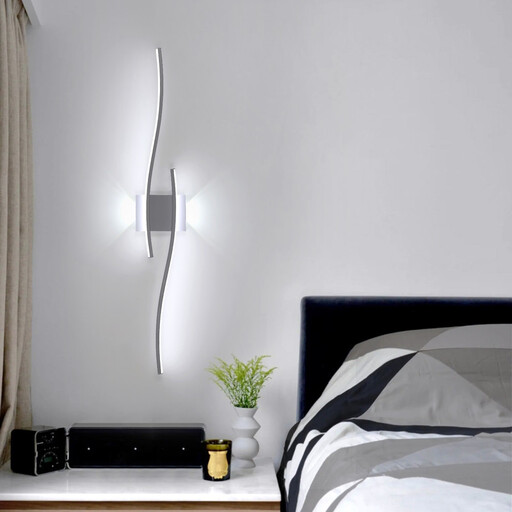
Why This Fits Their Persona: Ideal for users who want to make a clean, bold statement. The minimalist S-curve design creates a modern up-and-down light effect that adds architectural flair to hallways or living room walls.
The high-quality aluminium alloy construction avoids the "plastic with a metallic finish" pitfall. The material is durable and corrosion-resistant.
The dual light output creates sophisticated, indirect illumination. Installation is flexible, allowing for vertical, horizontal, or angled mounting.
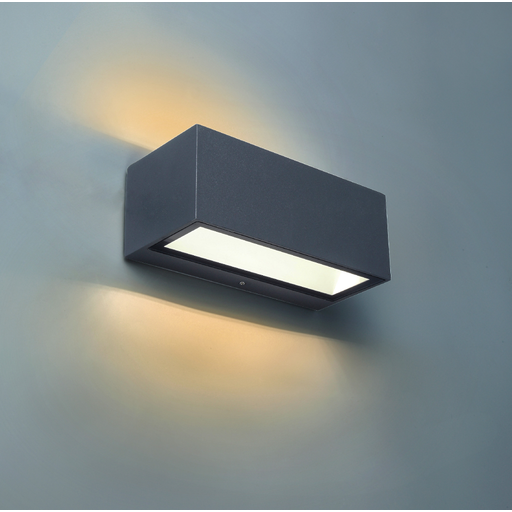
Why This Fits Their Persona: Perfect for homeowners seeking reliable and stylish lighting for facades, patios, or entrance areas. The anthracite-coloured aluminium housing complements modern architecture.
With its IP54 rating, this light is explicitly designed for outdoor use and is fully protected against dust and splashing water. This prevents the typical failure caused by weather exposure.
The robust die-cast aluminium housing ensures durability. The up & down effect with 1300 lumens provides powerful yet decorative illumination.
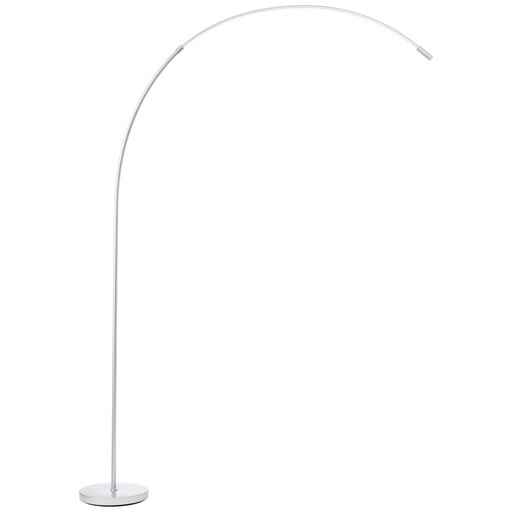
Why This Fits Their Persona: This floor lamp is an all-in-one solution for anyone who wants maximum flexibility in their living room. It combines elegant design with comprehensive functionality for any time of day or mood.
It solves the problem of mismatched lighting moods. Thanks to continuous dimming and adjustable colour temperature (CCT), the light can be precisely adjusted from cosy warm white to cool task lighting.
Control is handled conveniently via a touch switch on the lamp head. The LED technology is energy-efficient and long-lasting.
We have compiled a complete, up-to-date list of products that fully meet these strict selection criteria and UK safety regulations.
The Kelvin number (K) indicates the colour temperature of the light. Lower values produce a warmer, more yellowish light, while higher values produce a cooler, more bluish light.
The required IP rating depends on the exact installation location. For outdoor lights exposed to rain, or for areas in the bathroom near a shower or bathtub, a minimum of IP44 (protection against splashing water) is required. For lights exposed to strong jets of water or harsh weather conditions, higher ratings like IP65 or IP67 offer better protection.
A higher price is not automatically a guarantee of better quality. Instead, look for objective features: the material used (e.g., solid metal instead of plastic), the quality of the workmanship (e.g., clean welds, stable connections), the specified IP rating, and the technical data of the LED technology (lumens, Kelvin, lifespan). A well-documented product description is often a sign of a well-thought-out product.