
Lieferung heute & morgen

Qualitätsgarantie

Willkommens-Angebote freischalten: KOSTENLOSE Lieferung | Bis zu 80 % RABATT | Kostenlose 30-Tage-JoyPlus-Testphase
App herunterladen
Langnese honey is a breakfast staple in many households, used for sweetening tea or preparing desserts. However, blossom honey, forest honey, organic blossom honey and creamy varieties all differ in taste, consistency, origin details and packaging. If you only look at the product name or an appealing label, you might end up buying a variety that doesn't suit your everyday needs.
Blossom honey comes from the nectar of various flowers. Depending on the harvest, composition and origin, the flavour can be mild, floral or more robust. A Langnese blossom honey from spring blooms is therefore not necessarily identical to a summer blossom honey or wildflower honey.
If you're looking for a mild honey for tea and muesli, pay attention to the variety description. For dark bread or savoury marinades, a stronger forest honey may be more suitable.
Liquid honey is easy to stir into drinks and portion out. Creamy honey is spreadable and less likely to run off when applied to bread. Consistency is not a sole indicator of quality; it depends on factors such as the honey variety and processing.
Crystallisation in honey is also a natural process. It does not automatically mean the product has gone off. If needed, the jar can be gently warmed in a water bath. Direct, strong heat should be avoided.
A jar of honey 250 g is ideal for trying a variety or for households with low consumption. Families and frequent users often opt for honey 500 g, as this reduces the need for repeat purchases. For on-the-go or the office, portioned mini units can be more practical.
Regardless of size, you should check the best-before date on the packaging when it arrives. Honey should be stored in a cool, dry place away from direct sunlight. Refrigeration is not usually necessary.
Always check the specific composition and origin on the label or product page. For blends of EU and non-EU honeys, this information is particularly relevant if origin matters to you.
Honey products typically consist of 100 % honey. No additional ingredients are listed for the products shown here. Nutritional values for many varieties are approximately 302 kcal and 75 g sugar per 100 g. Despite its natural origin, honey is therefore a sugar-rich food and should be used as part of a balanced diet.
For organic products, look for the relevant organic certification mark and control body number. For Langnese Organic Pure Blossom Honey, for example, DE-ÖKO-005 is stated. This makes it easier to assess the organic certification.
A jar is suitable for storage and use at breakfast. A squeezy bottle, such as with Langnese Flotte Biene, allows for targeted portioning, for example with tea, yoghurt or baking. The bottle should not automatically be considered microwave-safe. The instructions on the packaging are what matter.
As with other raw foods, honey is not suitable for children under twelve months. This safety warning applies regardless of variety, organic certification or packaging type.
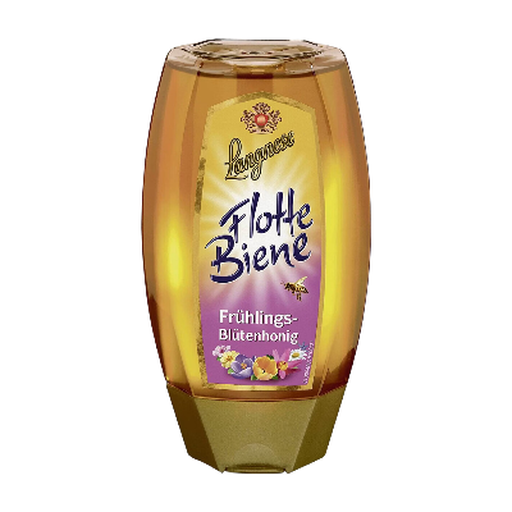
Why this product suits the profile: The 250 g size offers a manageable introduction to a mild spring blossom honey, without having to buy a large storage jar straight away.
The small pack reduces the risk of having to use up a flavour that doesn't suit you over a longer period.
250 g content; suitable as a spread for bread, for yoghurt and for sweetening hot drinks.
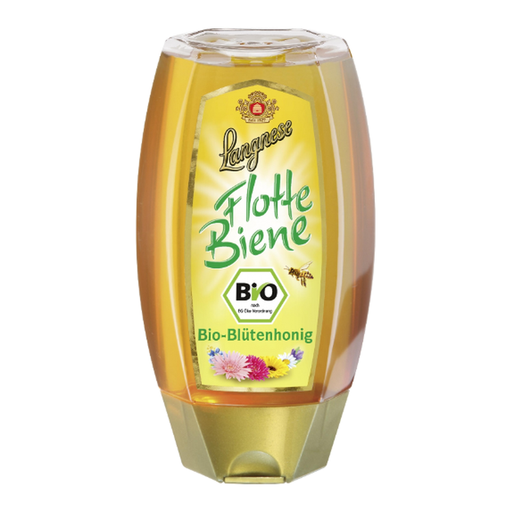
Why this product suits the profile: The organic certification DE-ÖKO-005 provides concrete guidance for buyers who value ecologically certified production.
Instead of relying on general sustainability claims, buyers can check the stated control body number.
Organic blossom honey; 250 g content; according to the product information, made from 100 % organic blossom honey.
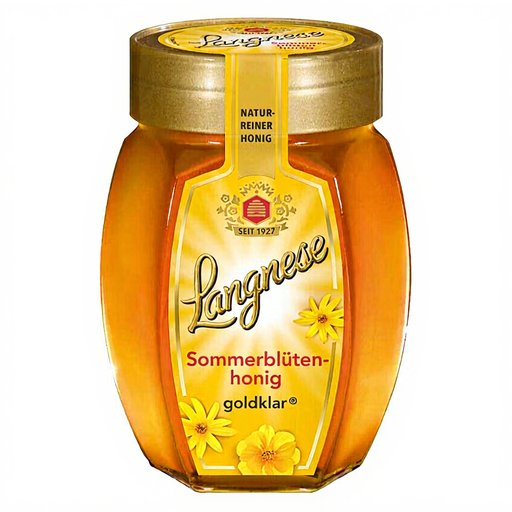
Why this product suits the profile: The 500 g size is suitable for families and regular users who use honey for breakfast, drinks and baking.
The clear variety and quantity information prevents a small trial jar from being mistaken for a bulk product.
500 g content; according to the product information, intended as a spread for bread as well as for tea, muesli and pancakes.
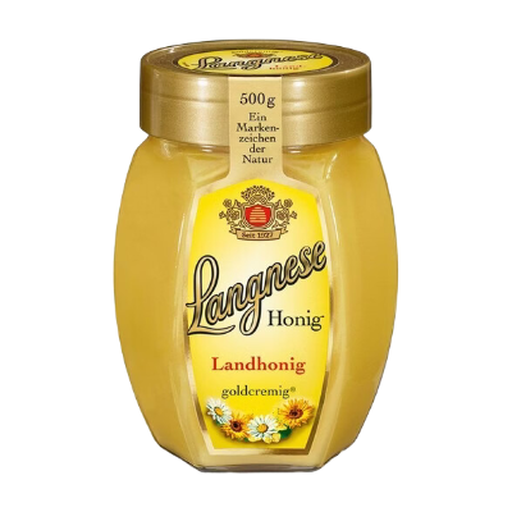
Why this product suits the profile: The creamy, spreadable texture is ideal for bread, pastries and even portioning at breakfast.
The product description explicitly mentions the creamy consistency, creating a clear distinction from liquid honey.
500 g content; creamy consistency; described for bread, pastries and tea.
We've put together a complete, regularly updated list of products that fully meet these strict selection criteria and the safety regulations in force in the EU.
Yes. Liquid varieties such as summer blossom honey, wildflower honey or acacia honey can be stirred directly into warm drinks. With very hot liquids, the flavour profile may change. For daily use, you should measure the desired sweetness, as honey has a high natural sugar content.
The specific best-before date is on the packaging. When stored in a dry, cool place away from light, honey generally keeps for a long time. Crystallisation can occur over time and is a natural process. Gentle warming in a water bath can return the consistency to liquid.
For occasional use or to try a variety, 250 g is a manageable amount. Families, regular breakfast users and people who also use honey for baking or desserts can plan better with 500 g. If you want to compare several varieties, you can start with smaller packs and then order a larger supply once you've decided.