
当日/次日达

品质保障

开启新人专享福利: 全场免邮 | 低至 2 折 | 免费试用 30 天 JoyPlus 会员
下载 Joybuy
Welcome, I'm your Joybuy Product Recommendation Officer. My mission is to filter through market information and provide you with objective, practical advice to help you make informed purchasing decisions. Today, we're diving into chili crisp, a versatile condiment that's gaining popularity in kitchens everywhere.
The market for Asian condiments is vast, and not every jar labelled "Crispy" delivers on its promise. Before you buy, you should be aware of a few common pitfalls that often lead to a disappointing flavour experience.
To avoid these pitfalls, you should check three core parameters before buying. These will help you objectively evaluate the quality and flavour profile of a chili crisp.
The "crisp" is the heart of the experience. Look for solid, crunchy components on the ingredient list. These are crucial for the mouthfeel and flavour diversity.
A good Asian chili sauce is more than just hot. The balance of flavours is key.
The oil is not just a carrier for the flavours but also a key component of the taste profile itself.
Based on the criteria above, we have identified a few products that are well-suited for different preferences and uses.
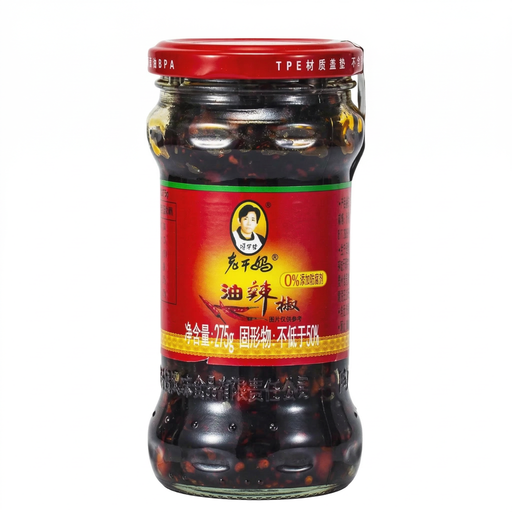
Why This Fits Their Persona: Ideal for anyone looking to discover the world of chili crisp. Lao Gan Ma is an iconic brand known for its products' balanced ratio of heat, salty notes, and crunchy texture. A versatile option that goes with almost anything.
This product avoids the texture trap with its significant portion of peanuts and soybeans, which provide a lasting crunch. It offers more than just heat, delivering a complex flavour profile.
Versatility: Pairs well with noodles, rice, eggs, and as a dip. Balanced Flavour: A harmonious blend of heat, saltiness, and umami.
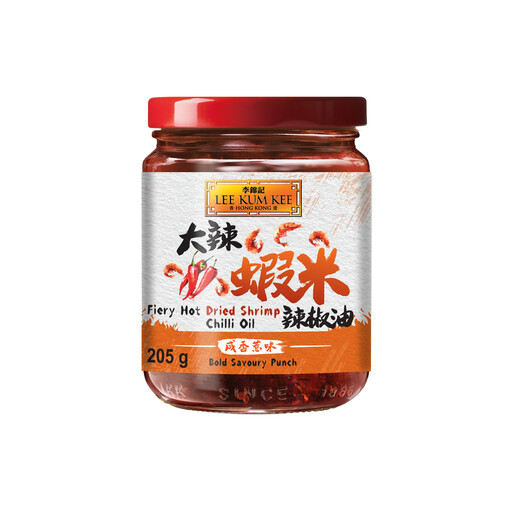
Why This Fits Their Persona: For those seeking a deeper, more complex, and savoury flavour. The addition of dried shrimp and shrimp paste provides an intense umami note that goes beyond the usual profiles.
This product escapes the one-note flavour fallacy with its seafood base. It delivers not only heat but also a distinct salty-savoury dimension that adds special depth to dishes.
Deep Umami: The shrimp components provide a rich, maritime flavour. No Added MSG: According to the manufacturer, no monosodium glutamate is added.
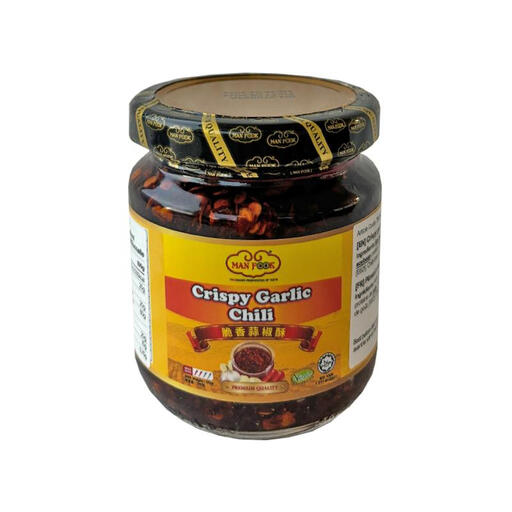
Why This Fits Their Persona: For anyone who puts crunch first. This product clearly focuses on crispy fried garlic, which provides an intense, aromatic, and above all, texture-rich addition to any dish.
This product is the direct answer to the texture trap. The name says it all: the high proportion of crispy garlic ensures a consistently crunchy experience that remains even after being mixed into food.
Maximum Crunch: The focus on fried garlic provides an outstanding texture. Aromatic Flavour: Ideal for garlic lovers, as its aroma takes centre stage here.
We have compiled a complete, up-to-date list of products that fully meet these strict selection criteria.
Proper storage is crucial for preserving the texture. Keep the unopened jar in a cool, dry place away from direct sunlight. After opening, it should be stored tightly sealed in the refrigerator. It's also important to always use a clean spoon to avoid introducing moisture or contaminants into the jar, which could compromise the crispiness.
No, there is a key difference. Chili oil is typically a pure oil infused with chilis and spices, which is what's left after the solid components have been strained out. Chili crisp (or crispy chili oil), on the other hand, contains these solid, crunchy ingredients—like chili flakes, soybeans, garlic, or peanuts—which remain in the oil and provide its characteristic texture and complex flavour.
Versatility is one of chili crisp's greatest strengths. It's an excellent condiment for noodles and rice dishes. Beyond that, it pairs wonderfully with eggs, dumplings, tofu, steamed vegetables, pizza, or even as a topping for avocado toast. Some adventurous foodies even use it on vanilla ice cream to create a contrast of sweet, salty, spicy, and creamy.