For lengthy academic drafts with revision notes, the keyboard, screen readability and compatibility with your word-processing software should be your main considerations. Notebookcheck also highlights input devices and displays when reviewing office laptops. Check that your editorial team’s file format supports comments and tracked changes in the software you actually use. If you often work in different places, you’ll also need to weigh a lighter laptop against the extra workspace offered by a larger screen.
Which features suit different needs?
For those who write a lot and receive editorial feedback
If you write lengthy drafts and work through comments and tracked changes, check the keyboard and how easily you can share editable documents. Microsoft Support explains how Track Changes works in Word.
For writers working with lots of sources
If you often switch between your draft, specialist sources and reference management software, consider the screen space available and whether your citation tools are compatible. Zotero Documentation lists integrations for Word, LibreOffice and Google Docs.
For writers researching on the move
If you write in different places, you’ll need to weigh up the exact configuration’s weight, screen size and battery life. Notebookcheck highlights a good balance of battery life and performance headroom as a feature of business laptops.
What should you look for when buying?
Start with the keyboard, word-processing software and where you work. Then compare any extra performance you won’t need for your writing workflow.
Notebookcheck highlights good input devices and an anti-glare display as important features of office laptops. Microsoft Support explains Track Changes in Word, while Zotero Documentation lists extensions for Word, LibreOffice and Google Docs. Check the specific software and file version used by your editorial team instead of assuming compatibility based on the operating system alone.
| What you need |
What to check before buying |
Who should pay particular attention? |
| Long texts and revisions |
Keyboard layout and feel; matte or glossy screen; test the changes and comments workflow using one of your own sample files. |
If I write lengthy drafts and regularly work through revisions, I need a suitable keyboard and word-processing software that supports comments and revisions. Around 36% of consumers are likely to prioritise writing and revision comfort above all else. |
| Working on sources and drafts side by side |
The word-processing software you need and its Zotero integration; screen size and the option to use an external monitor. |
If I want to keep my sources, notes and draft in view at the same time, the layout of my work windows matters. Around 29% of consumers are likely to prioritise working with sources and multitasking. |
| Working in different places |
Weight of the exact configuration; battery tests using a clear, comparable method; the ports you need. |
If I research on the move or don’t always have access to a power socket, the laptop needs to suit my changing locations. Around 21% of consumers are likely to prioritise portability and working away from a fixed desk. |
| Cost and how long you’ll use it |
Exact configuration and operating system; software licences you need; check the terms of any additional manufacturer’s warranty separately. |
If I need to keep an eye on the total cost and choose the right specification, I don’t want to pay for features I won’t use. Around 14% of consumers are likely to give particular weight to cost and how long they’ll use the laptop. |
Which buying mistakes should you avoid?
-
Choosing based only on the processor or top-end performance
Input devices and the display matter for writing long texts, too. Notebookcheck lists these among the important features to consider when choosing an affordable office laptop.
Start by checking typing comfort, the display and the software you need. Then compare the performance of the exact configuration.
-
Assuming ‘up to’ battery life reflects how long you can write for
Manufacturers’ maximum battery life claims aren’t necessarily comparable with a test that involves using a browser, documents and a wireless connection at the same time.
Only compare results when the test method and usage are similar. Apple describes the up-to-18-hour battery life of the 13-inch MacBook Air with M5 as a manufacturer’s figure.
-
Assuming every model in a range has the same specification
Components can vary between configurations. For Windows laptops with ARM processors, you should also check that the drivers and specialist software you need will work.
Compare the full model number, processor architecture and specification of the specific offer with your requirements. HP notes that the ProBook 440 G11 is available in different configurations.
-
Assuming cloud sync is the same as a full backup
Microsoft explains that changes to and deletions of synced files are transferred between your device and the cloud. Version history may be limited for organisational accounts.
Test how to restore a sample document and keep important manuscript versions separately, following your own backup routine.
Brands to consider
Lenovo
ThinkPad models are a business option, while IdeaPad models also feature in selections of office laptops aimed at more budget-conscious buyers.
- On 27 August 2026, Notebookcheck placed the ThinkPad L14 G5 it tested at the top of its list of affordable office laptops.
- That ranking doesn’t apply to every Lenovo device or automatically to other L14 configurations.
ASUS
The ExpertBook and Vivobook ranges include a variety of office models, so the specific model number is key when choosing.
- Notebookcheck included a tested ExpertBook PM3406 and Vivobook S16 S3607QA in its selection of office laptops.
- ASUS lists display and storage options on the PM3406CKA product page. These details can’t necessarily be applied to every PM3406 variant.
Apple
The MacBook Air is a macOS option if the editorial files and software you need fit your workflow.
- Apple lists a 13.6-inch display for the 13-inch model with M5.
- Apple’s stated battery life of up to 18 hours is a manufacturer’s figure, not a test of simultaneous research and writing.
HP
The ProBook range offers configurable Windows business laptops for office work.
- The range includes different configurations for a variety of office needs.
- HP notes that features and components vary by configuration for the ProBook 440 G11, so check the exact specification.
Joybuy products for writing and research
This selection includes larger office laptops as well as compact and convertible models for drafting, revising and working with sources.
 No image available
Acer TravelMate TMP216-41-TCO, 16-inch, WUXGA
The 16-inch format could suit a workflow that involves keeping sources and other documents open alongside your draft.
16-inch, WUXGA; AMD Ryzen 3 PRO 7335U; 16 GB DDR5; 512 GB SSD; AMD Radeon 660M; Windows 11 Pro Education.
View at Joybuy
 No image available
Lenovo ThinkPad E16 Gen 3 21ST, Ryzen 7 250, 32 GB RAM, 1 TB SSD
The 16-inch format is suited to writers who want more room to work on their manuscript and sources.
40.6 cm (16-inch); AMD Ryzen 7 250 at 3.3 GHz; Radeon 780M; 32 GB RAM; 1 TB NVMe SSD; Windows 11 Pro; TCG Opal Encryption 2.
View at Joybuy
 No image available
Lenovo ThinkBook 16 Gen 9, Core Ultra 5 325, 32 GB DDR5, 512 GB SSD
This 16-inch laptop could be a good fit if you’re looking for more space to work on drafts and sources.
Intel Core Ultra 5 325; 32 GB DDR5; 512 GB PCIe SSD; Windows 11 Pro.
View at Joybuy
 No image available
HP OmniBook Ultra Flip 14-fh0670ng, 14-inch, 2-in-1
This 14-inch convertible is an option if you want a flexible format for working in different places.
Intel Core Ultra 7 258V; 32 GB RAM; 1 TB SSD; 2.8K OLED touchscreen; Windows 11 Home; Eclipse Gray.
View at Joybuy
 No image available
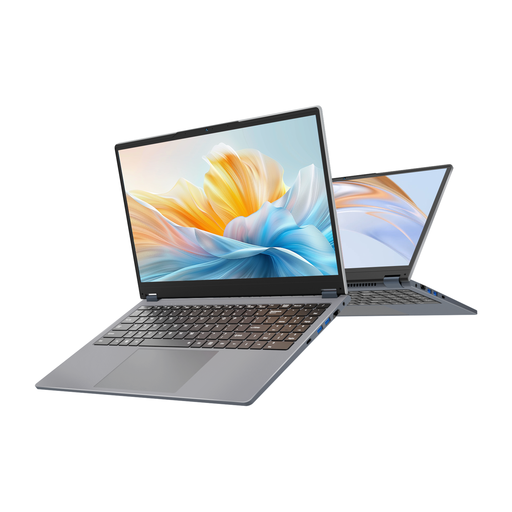
Ninkear YBook15, 2-in-1, 15.6-inch
The 2-in-1 format could appeal if you want to use your laptop and touchscreen in different positions.
15.6-inch FHD ISP touchscreen; 8 GB DDR4; 512 GB SSD; 5000 mAh; dual-band Wi-Fi; backlit keyboard; multi-touchscreen.
View at Joybuy
Frequently asked questions
Do I need a particular laptop brand for revision notes?
No. What matters is whether the word-processing software supports your editorial team’s comments and tracked changes. Microsoft Support explains both features in Word; also check the file format you actually use.
How can I keep track of earlier versions of my manuscript?
If needed, turn on Track Changes and set up a suitable backup routine. Microsoft explains that version history can restore earlier versions of files stored in OneDrive; management of this feature may be limited for organisational accounts.
Can I manage references directly in my draft?
Yes. Zotero Documentation describes extensions for Word, LibreOffice and Google Docs. Before switching device or platform, check that the integration works with the word-processing software you actually use.
What are my rights if my laptop is faulty or I change my mind?
If your laptop is faulty, you have statutory rights against the seller; a voluntary manufacturer’s warranty is separate. Citizens Advice Consumer Service explains both (as at 28 September 2026). Online consumer purchases usually come with a 14-day right to cancel; Citizens Advice Consumer Service notes that exceptions apply (as at 13 August 2026). Check when the cancellation period starts and the terms that apply to your contract.


