For plenty of desk-based writing
If you write and edit lengthy API documents, you’ll want to be able to read reference material and previews easily. A comfortable typing setup and screen position may matter more than extra high-end performance.


For writing and research, a screen that’s easy to read and a comfortable keyboard are usually more important than extra processing power. If you run servers or containers locally, first check the requirements of the specific tools you use, then look at the operating system, processor architecture and specifications of the exact laptop configuration. A larger display gives you more screen space to work with, but takes up more room on your desk.
If you write and edit lengthy API documents, you’ll want to be able to read reference material and previews easily. A comfortable typing setup and screen position may matter more than extra high-end performance.
If you use development tools, local services or containers alongside your documentation, the right platform depends on the specific tools you need. Check their requirements before choosing a device.
If you have a small desk and regularly take your laptop with you, you’ll need to balance screen space, the room it takes up and the weight of your overall setup.
First, check that the programmes and local tests you need will run on the device. Then weigh up the screen, keyboard and form factor against your workspace and how often you travel.
| What matters | What to check before buying | Who is this important to? |
|---|---|---|
| Readability and typing comfort | Check the screen size and finish of the exact configuration, as well as the keyboard layout. Consider whether you have room for a separate keyboard or monitor. | If I write long documents, I want to read text and previews comfortably and use a keyboard that suits the way I work. Around 33% of consumers put readability and typing comfort first. |
| Local testing and compatibility | Check that your essential programmes, operating system and processor architecture are compatible. For containers, also check the relevant installation requirements. | If I run API examples or development tools locally, my specific workflow needs to work on the laptop. Around 27% of consumers prioritise suitability for local testing and tools. |
| Portability and space | Consider the size and weight of the device, along with any accessories you regularly take with you. | If my desk is small and I regularly take my laptop with me, I want a setup that works in both places. Portability and a small footprint are the main priorities for around 20% of consumers. |
| Overall cost | Compare the exact configuration and factor in the ports you need, as well as any peripherals you already have or may need to buy. | If I need to stick to a budget, I only want to pay for features my tasks actually require. Around 20% of consumers put the cost of a suitable overall setup first. |
An editor’s requirements don’t automatically tell you whether local servers, containers and other development tools will also run on the device.
Make a list of the tools you need and check their operating system and hardware requirements before settling on a configuration or processor architecture.
A separate keyboard or an extra monitor may give you more setup options, but they take up space too.
The ThinkPad E14 is a compact Windows range that may suit writing and working in different locations.
The Vivobook-16-M1605 range is a larger laptop series that may be worth considering if built-in screen space is a priority.
The OmniBook-3-16 range includes configurations designed for a mostly fixed workspace.
The MacBook Air is an option if the writing, preview and testing tools you need work with macOS and Apple chips.
The Galaxy Book5 is another Windows range to consider when comparing larger laptop formats.
The Joybuy picks below include compact 14-inch devices for occasional changes of location and 16-inch models for a mostly fixed desk setup.
 No image available
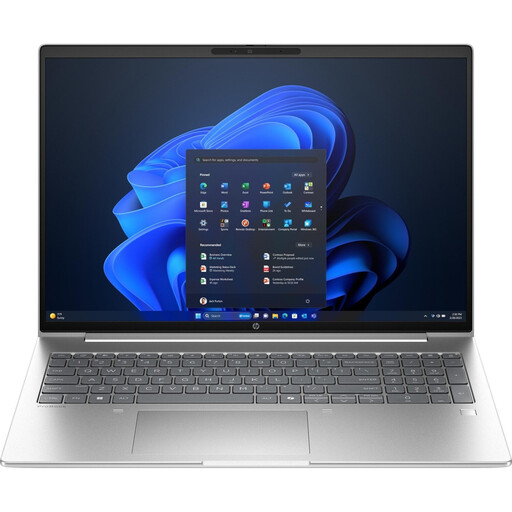
The 16-inch format is an option if you’d like to work on documentation and previews on a larger built-in screen.
This configuration is listed with a 16-inch WUXGA IPS display in a 16:10 format, 32 GB RAM, a 1 TB SSD and Windows 11 Pro.
It has a backlit German keyboard and a listed weight of 1.7 kg.
 No image available
The 16-inch format is worth considering if you’re deciding whether a larger built-in screen will suit your desk.
This configuration is listed with a 16-inch WUXGA IPS display in a 16:10 format with 400 cd/m², 32 GB DDR5 RAM, a 1 TB SSD and Windows 11 Pro.
Whether it’s suitable for your local tools depends on their requirements.
 No image available
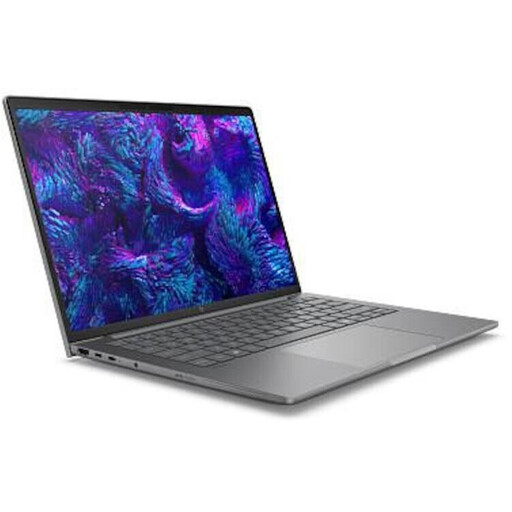
The 14-inch format is a more compact option if you’d like to take your device with you from time to time.
This configuration is listed with an anti-glare 14-inch IPS display in a 16:10 format, 64 GB RAM, a 1 TB SSD and Windows 11 Pro.
Its listed weight is 1.43 kg. Check the requirements of your local tools separately.
 No image available
The larger built-in screen may suit a fixed desk if you work on lengthy documents.
This configuration is listed with a 16-inch WUXGA IPS display in a 16:10 format, 32 GB DDR5 RAM, a 512 GB SSD and Windows 11 Pro.
It has a backlit German keyboard.
 No image available
The 14-inch format is a compact option for writing and occasional changes of location.
This configuration is listed with a 14-inch 2.8K OLED touchscreen, 32 GB RAM, a 1 TB SSD and Windows 11 Home.
Its listed weight is 1.34 kg. Check that it’s compatible with the tools you need.
Not just for writing in VS Code: Microsoft recommends a 1.6 GHz or faster processor and 1 GB RAM for the editor. Local servers, containers and development tools used at the same time have their own requirements. Check your actual workflow rather than assuming the editor’s recommendation covers everything you need.
There’s no single answer. Docker publishes different installation requirements for macOS and Windows, and distinguishes between processor architectures and installation methods on Windows. Check that your operating system and architecture, as well as the container images you need, are compatible with your project.
Check whether your desk has room for a separate keyboard and a suitable position for your laptop screen. The Federal Institute for Occupational Safety and Health describes using separate input devices and displays as one way to achieve a more comfortable screen position. Its advice for workplace settings is a useful guide here, not a blanket requirement for private student rooms.
A 16-inch device gives you more built-in screen space, but takes up more room. A more compact device may be more practical if you often work in different locations. Choose based on your desk space, preferred screen layout and how often you need to carry it, and check the exact screen configuration for either size.