What should you look for when buying?
First, decide which development tools you’ll actually use locally. This determines how much memory and storage you need. You’ll also need to prepare any documentation you want to use offline.
| What matters |
What to check before buying |
Who is this important to? |
| Working with documentation and files offline |
Check whether you can save the content you need in advance, and compare the available SSD space. |
If I need to use documentation and project files without an internet connection, I’ll test offline access first. Around 31% of consumers put having documents available offline first. |
| Local builds and testing |
Compare the requirements of your IDE, emulators and local services for memory, operating system and SSD space. |
If I want to use Android emulators or several local services at the same time, I’ll check their requirements first. Around 31% of consumers prioritise local test environments. |
| Portability and ports |
Compare the weight, screen size and ports of the exact configuration. If necessary, check what’s included with the power supply. |
If I move between locations often, I’d weigh up the laptop’s weight, screen and the ports I need. Portability is a priority for around 23% of consumers. |
| Cost and useful life |
Compare full model numbers and specifications, check the accessories, and distinguish service offerings from your statutory rights. |
If I want the specification to suit my needs over the longer term, I’ll compare configurations and what’s included carefully. Around 15% of consumers prioritise cost and long-term usability. |
Laptops at Joybuy to consider
The following Joybuy products include Windows and macOS configurations for local development work, with storage for projects and documentation saved in advance.
 No image available
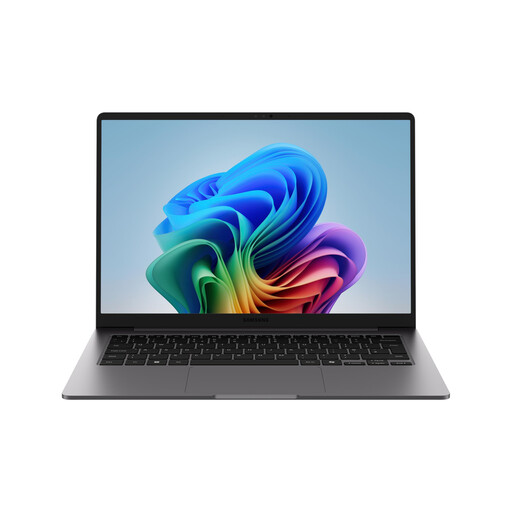
Samsung Galaxy Book6 Enterprise Edition 14, Intel Core Ultra 7 355
A Windows configuration to consider if you want to use local tools and project files on your laptop.
32 GB LPDDR5X RAM, 512 GB NVMe SSD, Windows 11 Pro, Mocha Gray, RJ45.
Joybuy
 No image available
HP OmniBook Ultra Flip 14-fh0670ng, Intel Core Ultra 7 258V
The listed specification may suit local tools and test environments. Compare it with their specific requirements.
32 GB RAM, 1 TB SSD, 14-inch convertible, 2.8K OLED, Windows 11 Home, Eclipse Gray, 1.34 kg; power supply included.
Joybuy
 No image available
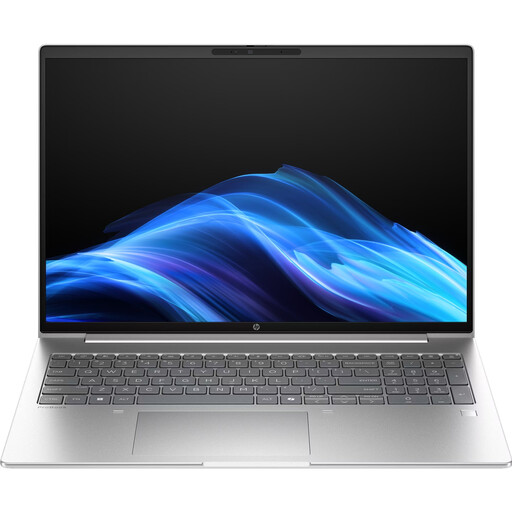
HP ProBook 4 G1a 16, AMD Ryzen 5 230
A Windows configuration for local work if you need a 16-inch display and ports for your peripherals.
16 GB DDR5 RAM, 512 GB SSD, WUXGA IPS, AMD Radeon 760M Graphics, Windows 11 Pro, German keyboard layout, 1.75 kg; power supply included.
Joybuy
 No image available
HONOR MagicBook X16 AMD 2025, Ryzen 5 6600H, 16GB+512GB, German Keyboard
The 512 GB SSD gives you space for project files stored locally and documentation saved in advance.
16 GB RAM, 512 GB SSD, 16-inch display, German keyboard layout.
Joybuy
 No image available
Apple 13-Inch MacBook Air (M5, 2026), 16GB, 512GB SSD, Silver (German QWERTZ Keyboard)
A compact macOS option, provided your development tools are compatible with macOS. This configuration doesn’t include a power supply, which must be bought separately.
16 GB unified memory, 512 GB SSD, two Thunderbolt 4 ports, 1.23 kg.
Joybuy
Frequently asked questions
Does a laptop automatically make developer documentation available offline?
No. Set up the documentation tool you want to use and save the content you need before working without a connection. DevDocs describes itself as a browser for developer documentation that’s available offline. Test access with the network switched off.
Do I definitely need an Android emulator to develop a staff scheduling app?
No, not just because you’re developing this type of app. If you want to test an Android version locally, Android Developers lists emulators and testing on a physical Android device as possible ways to do so. Choose your hardware based on the testing method you actually plan to use.
What should I check before setting up local containers?
If you want to use Docker Desktop on Windows, check the current Windows version, CPU architecture and WSL configuration against Docker’s requirements. If you’re developing without Docker, these don’t amount to general laptop requirements.
What statutory rights apply when buying online in Germany?
When you buy from a business seller, you generally have statutory rights against the seller if the goods are faulty. Your Europe, the European Union’s information portal, states that the minimum period is two years from receiving the goods. For online orders, you generally have 14 days from delivery to cancel, as explained by the Verbraucherzentrale. An additional manufacturer’s guarantee doesn’t replace these statutory rights. Exceptions and the specific terms of your contract should be checked separately.


