iOS and cross-platform testers
If you want to run iOS simulators locally, your choice of device depends on whether it’s compatible with Xcode and macOS. Apple Developer documents the requirements and simulators for this workflow.


Start with your test platform: you’ll need a compatible Mac to run local iOS simulators with Xcode, while Android testing is also possible on suitable Windows or Linux laptops. Then consider the resources required for the tests you’ll actually run at the same time, along with the right connections for your monitor, dock and test devices. If you often move between desks, portability and ports may matter more than extra processing power.
If you want to run iOS simulators locally, your choice of device depends on whether it’s compatible with Xcode and macOS. Apple Developer documents the requirements and simulators for this workflow.
If you plan to run Android Studio and several virtual devices at once, make sure you allow for enough memory and SSD space to support your whole workflow. Android Developers outlines the requirements for Android Studio and AVDs.
If you regularly reconnect your monitor, dock and physical test devices, check that the ports on the specific laptop configuration suit your workspace. In a shared office, locking your device when you step away should also be part of your routine; this is advice from the German Federal Office for Information Security.
Right for you if: You need to test iOS apps locally using Xcode and its simulators.
Trade-off: Check that your Mac, macOS and Xcode versions are compatible; your existing devices may need additional connections.
Right for you if: Android Studio, Android emulators and Windows tools are your priority, and you don’t need a local Xcode workflow.
Trade-off: Xcode’s documented iOS simulator workflow isn’t available locally on Windows. Android Developers notes that Windows devices with ARM processors are not currently supported for Android Studio.
Right for you if: Your Android testing tools run on Linux and you don’t need a local Xcode simulator.
Trade-off: Check the specific hardware, distribution, system images required and emulator acceleration. A modular configuration doesn’t guarantee compatibility with every dock or tool.
| Buying criterion | What to check before buying | Who it matters most to |
|---|---|---|
| Test platform compatibility | Note your target platforms, the Xcode version you need, supported macOS versions and the requirements of your other tools. Apple Developer documents which Xcode and macOS versions work together. | If I need local iOS simulators, my device, macOS and Xcode versions must be compatible; platform compatibility comes first for around 31% of consumers. |
| Resources for local testing | Allow enough RAM and free SSD space for your IDE, builds and planned virtual devices running at the same time. Android Developers estimates around 4 GB of memory for each AVD running simultaneously, though actual requirements may vary. | If I use several tools and virtual devices at once, the overall workload matters more than the IDE alone; around 25% of consumers prioritise local testing demands. |
| Ports at your workspace | Check the connectors, video output, power delivery and number of simultaneous connections against the specific configuration. | If I connect a monitor, dock and test devices at different desks, I need suitable ports or a compatible dock; connectivity is the main concern for around 19% of consumers. |
| Portability and screen space | Check whether an external monitor is available at your usual testing desk, then compare the display size and portability of each configuration. | If I often change desks and sometimes work without an external monitor, I need to balance portability with usable screen space; around 13% of consumers put this first. |
| Protecting work data | Check with your IT team which devices and features are approved, and plan for screen locking and the handling of test data. The BSI recommends locking your device, even if you’re only stepping away briefly. | If I work with test or company data at a shared desk, protecting it when I leave my workspace matters; this takes priority for around 12% of consumers. |
Apple’s documented Xcode and iOS simulator workflow runs on macOS.
Before choosing a device, check whether local iOS testing is part of your work and which version of Xcode you’ll need.
As your testing needs grow, you may need a configuration with more memory or SSD space.
Specifications can vary between configurations. Apple lists two Thunderbolt 4 ports for the 13-inch MacBook Air M5 configuration reviewed. Dell states that a power adapter is not included with the Dell Pro 14 PC14250 configuration reviewed.
Check the full model and listing configuration against the devices you want to connect at your workspace.
Depending on the configuration, you may need a suitable adapter, dock or power adapter.
A relevant choice if you need to run Xcode and iOS simulators locally.
The ThinkPad T14 Gen 6 is a business range suited to Windows-based Android testing and changing workspaces.
The Dell Pro 14 PC14250 is a Windows business configuration for Android and general testing tools.
The EliteBook 8 G2i 14 is a business range with specific Windows configurations for local testing.
The Framework Laptop 13 is aimed at buyers who want to choose the ports and configuration of a modular Windows or Linux option for themselves.
This selection includes laptops for local Android testing on Windows, as well as MacBook Air models for local iOS testing with Xcode. Before buying, check that your software is compatible and review the specifications of the version you’re considering.
 No image available
A relevant option for Android testing on Windows; check that this specific configuration suits your testing workflow.
Windows 11 Pro, AMD Ryzen 5 220 at 3.2 GHz, Radeon 740M, 32 GB RAM, 1 TB NVMe SSD, 16 inches.
 No image available
A Windows option for local testing tools and virtual devices; check that its specifications meet their requirements.
Windows 11 Pro, Intel Core Ultra 5 325, 32 GB DDR5, 512 GB PCIe SSD, 16 inches.
 No image available
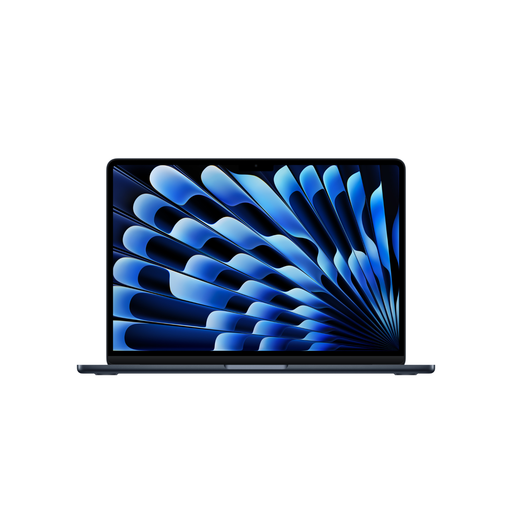
A relevant choice for local iOS testing with Xcode; check that the Xcode version you need is supported by your macOS version.
13 inches, M5, 10-Core CPU, 10-Core GPU, 16 GB unified memory, 1 TB SSD, German QWERTZ keyboard.
The product description states that a power adapter is not included.
 No image available
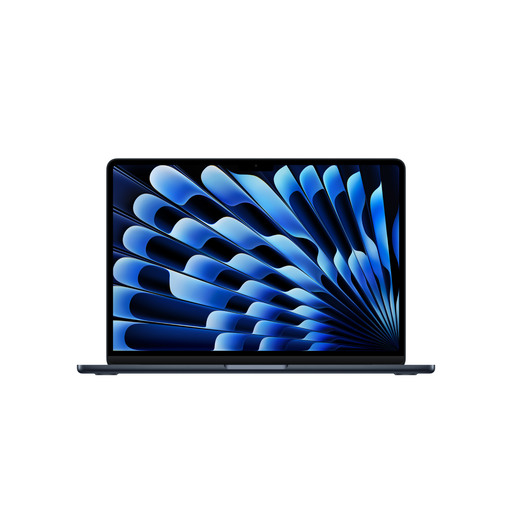
Suitable for local iOS testing with Xcode, provided the Xcode and macOS versions you need are compatible.
15 inches, M5, 10-Core CPU, 10-Core GPU, 16 GB unified memory, 512 GB SSD, German QWERTZ keyboard.
The product description states that a power adapter is not included.
No image available
A relevant choice for local iOS testing with Xcode; check in advance that the macOS version supports the Xcode version you need.
13 inches, M5, 10-Core CPU, 8-Core GPU, 16 GB unified memory, 512 GB SSD, German QWERTZ keyboard.
The product description states that a power adapter is not included.
For the local workflow covered here, using Xcode and the iOS simulator: yes. Also check which macOS version supports the version of Xcode you need. This doesn’t mean every remote testing service requires you to have your own Mac.
Yes. Google describes how to deploy and test on a physical Android device as well as using the Android emulator. Whether this is enough for your test plan depends on the device configurations and Android versions you need.
Check that your monitor, dock, power supply and test devices are compatible with the ports on your specific laptop configuration. If it’s a work device, also check with your IT team which devices and software are approved. The BSI recommends locking your device, even if you’re only stepping away briefly.
For purchases made as a consumer from a business seller, Your Europe, the European Union’s information portal, explains that you have at least two years of legal guarantee from the date you receive the goods and, in general, a 14-day right to cancel online purchases, subject to applicable exceptions. A business purchase shouldn’t be treated as equivalent to a consumer purchase without checking the contract. Manufacturer warranties and service plans should be considered separately.