
Lieferung heute & morgen

Qualitätsgarantie

Willkommens-Angebote freischalten: KOSTENLOSE Lieferung | Bis zu 80 % RABATT | Kostenlose 30-Tage-JoyPlus-Testphase
App herunterladen
Choosing the right laptop backpack comes down to a clear analysis of your functional needs. Key parameters include material quality, capacity, compartment layout, and compliance with airline carry-on regulations. This guide breaks down the technical criteria that matter most for commuters, students, and travelers, and showcases a curated selection of models with standout features.
A backpack's functionality is determined by its construction and the materials used. An objective evaluation of these features is the foundation for an informed purchasing decision.
A backpack's durability is directly linked to its material quality. Polyester is a common choice, known for its hard-wearing and water-resistant properties. Look for a high fabric density (measured in denier), as this indicates a more robust structure. Reinforced stitching, especially on the straps and major stress points, along with durable metal zippers, are hallmarks of solid construction. A water-resistant backpack will protect your belongings from light rain but is not fully waterproof.
The dimensions of the laptop compartment are critical. Ensure it is designed to fit your device's size (e.g., 15.6-inch or 17-inch). The total capacity, measured in liters, indicates the overall storage volume.
For air travel, the external dimensions are crucial. Many airlines, particularly in the low-cost sector, have strict requirements for personal items stored under the seat. A common standard is 40x20x25 cm. A carry-on backpack that meets this size can significantly streamline your travel experience.
A well-designed compartment layout allows for quick access and secure storage. A separate, padded laptop sleeve is standard. Additional features enhance usability:
Modern backpacks often offer technological enhancements that simplify daily life.
The following models have been selected for their specific technical features and practical benefits for different user profiles.
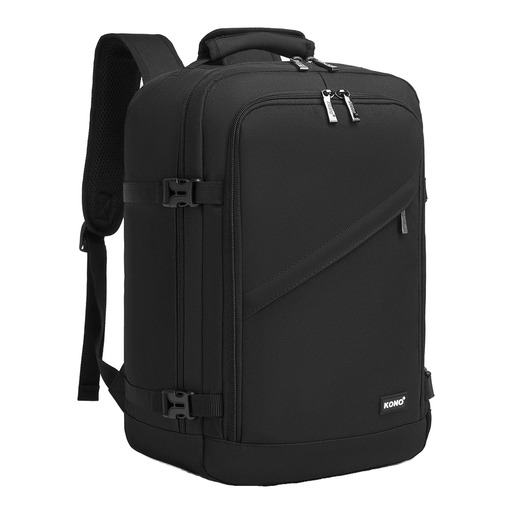
Why We Recommend It: This model is precisely engineered to meet the under-seat personal item requirements of Ryanair (40x20x25 cm) and other airlines. Its lightweight design and clamshell opening make it a highly functional solution for short trips.
Pros:
Best For: Frequent flyers on low-cost airlines who need a lightweight, regulation-compliant bag for weekend getaways or as a secondary carry-on item.

Why We Recommend It: This backpack's standout feature is its expandable capacity. It flexibly adapts to various needs, from the daily commute to short business trips, combining versatility with modern features like a USB port and anti-theft protection.
Pros:
Best For: Commuters, students, and business travelers who need a versatile business backpack suitable for both daily use and trips with varying packing needs.
Why We Recommend It: This model is designed for users with large-format gear. It accommodates a 17-inch laptop and features a TSA-friendly design that speeds up airport security checks.
Pros:
Best For: Professionals, creatives, or students who carry a large laptop and extensive accessories. Ideal as a travel backpack for men and women who fly frequently and value an efficient screening process.
If the featured models don't perfectly match your requirements, you can explore a wider selection of models with different specifications in our black backpack category. There, you can filter by size, material, and specific features.
1. What does "water-resistant" laptop backpack mean? A backpack labeled as water-resistant is made with a material or coating that causes water to bead up and roll off to a certain degree. It offers protection against light rain or splashes. However, it is not fully waterproof and will not protect the contents during heavy downpours or if submerged in water.
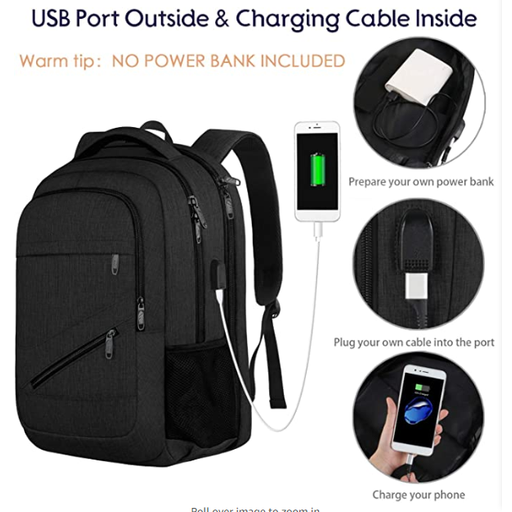
2. How does a backpack with a USB port work? A backpack with a USB port does not contain its own power source. Inside, there is a USB cable that you connect to your own power bank (portable battery). The external port on the backpack serves as a convenient interface to charge your smartphone or another device without having to remove the power bank from the bag. A power bank is typically not included.
3. What size should a laptop backpack be for carry-on luggage? The permitted dimensions for carry-on luggage vary by airline. A common size for a standard carry-on bag is approximately 55 x 40 x 20 cm. For the smaller personal item stored under the seat, dimensions like 40x20x25 cm (e.g., for Ryanair) or similar sizes are typical. It is always advisable to check the specific regulations of your airline before each trip.