
Lieferung heute & morgen

Qualitätsgarantie

Willkommens-Angebote freischalten: KOSTENLOSE Lieferung | Bis zu 80 % RABATT | Kostenlose 30-Tage-JoyPlus-Testphase
App herunterladen
The right backpack is more than just a way to carry your laptop. It protects valuable technology, ensures comfort during your daily routine, and keeps essential items organised and within easy reach. However, the selection is vast, and the requirements vary greatly depending on the use case—whether for the office, the lecture hall, or your next trip.
This guide is designed to provide you with a clear overview. We will highlight the crucial features to look for when making your choice and present a selection of models for different needs. Our goal is to give you a solid foundation for your decision, so you can find the laptop backpack that perfectly meets your requirements.
Before you decide on a model, three fundamental aspects should be considered. These will help you objectively evaluate a backpack's functionality.
The material determines the durability and the level of protection the backpack offers. Polyester and nylon are common materials as they provide high abrasion resistance at a low weight. Look for the term "water-resistant," which means the fabric can repel light rain. For more demanding outdoor conditions, a backpack explicitly labelled as a waterproof outdoor backpack is necessary, often featuring sealed seams and special zips. A well-padded laptop compartment is essential to protect the device from impacts.
A backpack used daily must be comfortable. Ergonomically shaped and padded shoulder straps distribute weight evenly and prevent pressure points. A breathable back panel, often made of mesh fabric, promotes air circulation and reduces sweating. Adjustable straps allow for a custom fit to your body size. These features are crucial for comfort, especially with a heavily loaded daypack for university and work or a hiking backpack.
A thoughtful interior layout makes daily life easier. In addition to the laptop compartment, separate pockets for documents, pens, charging cables, and personal items are practical. Specific features can further enhance its utility:
Based on the criteria mentioned, we have compiled a selection of backpacks designed for different user profiles.
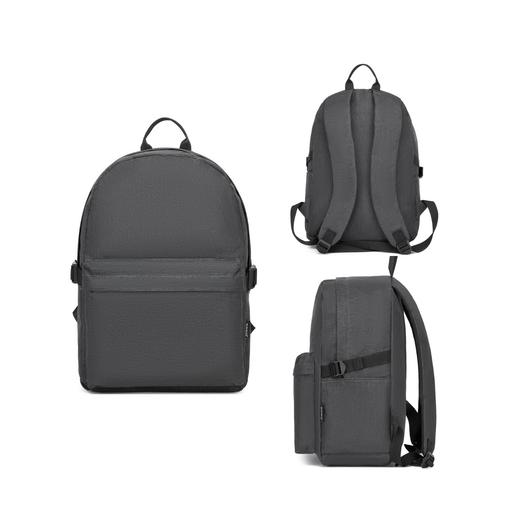
Why This Model Stands Out This model from Kono focuses on the essentials: a low weight, a clear compartment layout, and a simple design. It is a straightforward companion for daily use.
Advantages
Who Is It For? Students and commuters looking for a functional, lightweight, and low-profile daypack for university and work without complex additional features.
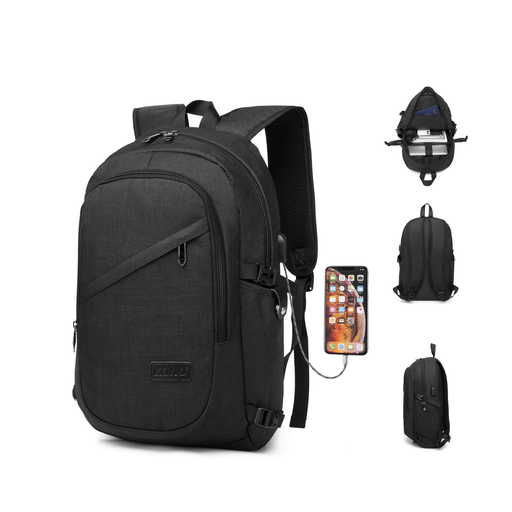
Why This Model Stands Out This business backpack combines security features with technical convenience. The detachable lock and integrated USB port are tailored to the needs of travellers and commuters in urban environments.
Advantages
Who Is It For? Professionals, digital nomads, and travellers who prioritise the security of their gear and want to take advantage of the practical on-the-go charging function.
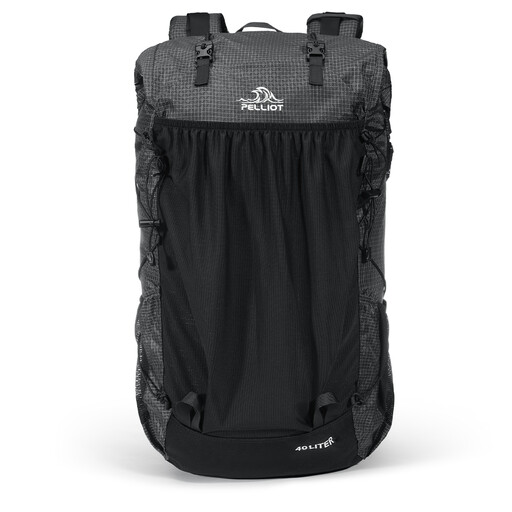
Why This Model Stands Out This trekking backpack is designed for multi-day tours. Its technical carrying system, with an internal support frame and dynamic straps, is engineered to transport even heavy loads comfortably over long distances.
Advantages
Who Is It For? Outdoor enthusiasts who need a robust and ergonomically advanced hiking backpack for men & women for trekking, camping, and multi-day hikes.
The selection presented here covers common use cases. If your requirements are more specific or you simply want to compare more models, you can find other alternatives in our broader category.
? Discover a wider selection of day trip backpacks here
1. What makes a good laptop backpack? A good laptop backpack combines several factors: a dedicated, well-padded laptop compartment, an ergonomic carrying system to protect your back, durable and ideally water-resistant material, and an internal layout tailored to its intended use (office, university, travel).
2. What size backpack is best for university or work? For daily use at university or the office, a volume between 20 and 30 litres is usually sufficient. The crucial factor is that the laptop compartment is the right size for your device (e.g., 15.4 or 15.6 inches) and that there is enough space for books, documents, and personal items without the backpack feeling overloaded.
3. Is a backpack with a USB port useful? A backpack with a USB charging port offers convenience by allowing you to charge your smartphone or tablet without having to hold a power bank. The backpack itself does not contain a battery but acts as a pass-through for a power bank connected inside. This is particularly practical on long commutes or during travel.