What should you look for when choosing?
Start by checking the size of your files and the software you need. Then compare the display, ports and available desk space with your workspace.
| What you need |
What to check before buying |
Who should pay particular attention? |
| Performance and storage for local analysis |
The size of your raw data and working files, along with the RAM and SSD in the specific configuration. Posit particularly recommends considering more RAM for datasets over 1 GB. |
If I process larger files locally, I want to choose RAM and storage that suit the way I work. Around 29% of consumers prioritise local data processing when choosing a laptop. |
| Readability and desk space |
The display size of the specific model, desk space, and room for a keyboard, mouse or external monitor. For longer work sessions, the DGUV recommends using an external monitor and separate input devices where possible. |
During long sessions with spreadsheets, code or maps, I want to be able to use the display without overcrowding my small desk. Around 24% of consumers put workspace and readability first. |
| Compatibility with study software |
Check the required software and versions, operating system requirements and any ports you may need. |
If a course requires specific software or devices, I need to check those requirements before choosing an operating system. Around 18% of consumers prioritise software compatibility. |
| Cost of the complete setup |
Consider the configuration, what’s included and only the accessories you actually need. Dell notes that a charger is not included with the XPS 13 DX13260. |
I want to pay for the equipment my project and workspace actually need, rather than automatically budgeting for accessories or extra performance I may not use. Around 18% of consumers prioritise the cost of their complete setup. |
| Portability beyond your student room |
Check the dimensions and weight of your chosen model, as well as the charging accessories, based on how you plan to carry it and what’s included. |
If I take my laptop with me regularly, portability matters more to me than extra built-in screen space. Around 11% of consumers put portability first. |
Joybuy products for data analysis
The Joybuy offers below include 14- and 16-inch laptops with stated RAM and SSD specifications. Compare the specific configuration with your software, files and available desk space.
 No image available
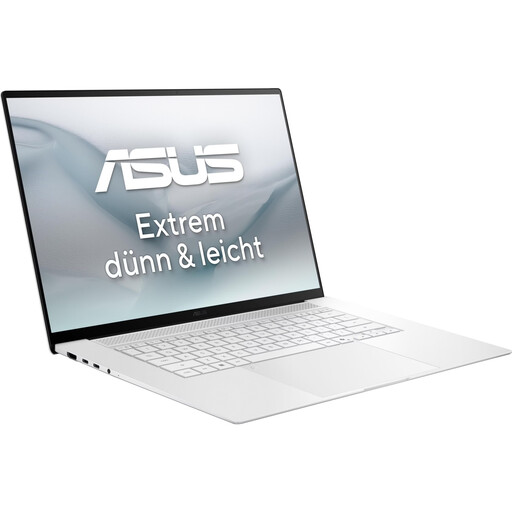
ASUS Zenbook S16 UM5606GA-SS335W
If you’re planning to work with a larger built-in display and files stored locally, compare the listed display and storage specifications with what you need.
16-inch, WQXGA+ OLED, Ryzen AI 9 465, 32 GB RAM, 1 TB SSD, Windows 11. According to the product title, no power adapter is included.
View at Joybuy
 No image available
Lenovo ThinkBook 16 Gen 9
If you’d like to work on spreadsheets or maps on a larger built-in display, compare the listed screen and port specifications with your workspace.
16-inch WUXGA, Intel Core Ultra 5 325, 32 GB DDR5 RAM, 512 GB SSD, Windows 11 Pro, 1.7 kg, HDMI 2.1 and Thunderbolt 4.
View at Joybuy
 No image available
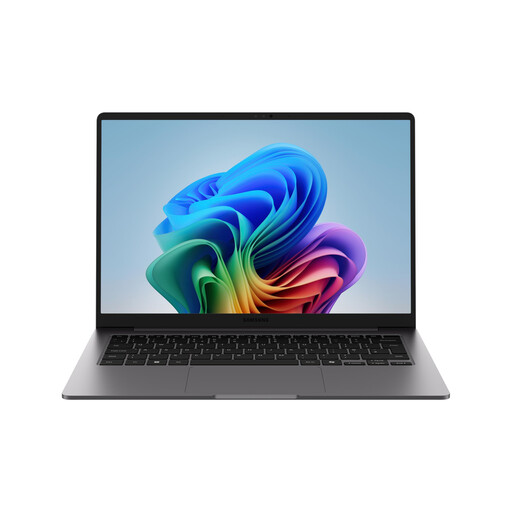
Samsung Galaxy Book6 Enterprise Edition 14
If you’re looking for a smaller display to suit a workspace with limited room, check the 14-inch size and specific specifications against your requirements.
14-inch WUXGA (1920 × 1200), Intel Core Ultra 7 355, 32 GB LPDDR5X RAM, 512 GB NVMe SSD, Windows 11 Pro and RJ45.
View at Joybuy
 No image available
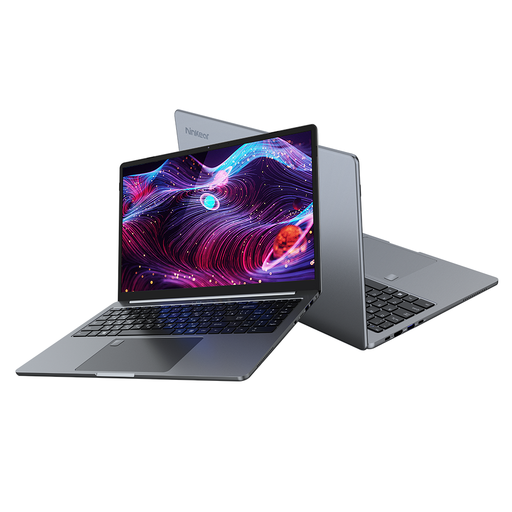
Ninkear A15 Pro
If you’re planning to work with local project files on a larger display, compare the listed RAM and SSD capacities with the size of your analysis.
16-inch FHD, 16 GB DDR4 RAM, 1 TB SSD and Windows 11.
View at Joybuy
 No image available
HONOR MagicBook X16 AMD 2025
If you prefer a 16-inch display for spreadsheets or viewing several windows at once, compare the listed storage and keyboard specifications with your requirements.
16-inch, AMD Ryzen 5 6600H, 16 GB RAM, 512 GB SSD and German keyboard.
View at Joybuy
Frequently asked questions
Do I always need 32 GB RAM for bird counts?
No. The subject alone doesn’t mean you need a particular minimum amount. According to Posit, memory requirements depend on the specific R analysis. For datasets over 1 GB, Posit recommends considering extra RAM. Check your files and processing steps before deciding on a specification.
Can I install RStudio and QGIS on Windows and macOS?
Posit lists Windows 11 and macOS 15 as platforms for RStudio; QGIS is also available for Windows and macOS. Also check the versions and requirements of the software and devices specified by your course.
How can I set up for longer analysis sessions in my student room?
For longer periods of work on mobile devices, the DGUV recommends an external keyboard and mouse, and an external monitor where possible. Make room for them and check that you have suitable ports. This is a recommendation, not a general requirement to buy extra equipment.
How can I protect my analysis files if my laptop breaks?
Keep backup copies of your raw data, scripts and results. Germany’s Federal Office for Information Security notes that backups can help you restore data after an incident such as a fault or theft.
What statutory rights do I have in Germany if my laptop is faulty?
For purchases by consumers, the seller is generally responsible for statutory consumer rights. According to Your Europe, the two-year period starts when you receive the goods. A voluntary guarantee is separate from these rights. The right to cancel depends, among other things, on how the contract was made; there is no general right to exchange goods that are not faulty.


