For browser extension development, a suitably configured business or all-round laptop is a sensible starting point. What matters is having the right specifications for your editor, browser and debugging tools, as well as the ports your shared workspace actually needs. Before you buy, check the exact configuration and its compatibility with your monitor or dock. If you regularly move between desks, the laptop’s size and charging options matter too.
Who is this guide for?
Developers working with multiple test windows
If you use an editor, browser and developer tools side by side, it’s worth comparing the memory and SSD in the exact configuration rather than relying on a general ‘AI laptop’ label. Google’s Chrome for Developers and Mozilla’s MDN describe browser extensions built using web technologies such as HTML, CSS and JavaScript.
People using a shared monitor setup
If you regularly connect your laptop to an existing monitor or peripherals, the ports on the specific model should suit your workspace. Lenovo Germany and ASUS Germany document different port configurations for their respective model variants.
People who regularly move between desks
If you take your laptop with you after work, its size, charging options and any additional accessories you’ll need all matter. The Federal Office for Information Security recommends locking your device when you leave your workspace.
What should you look for when buying?
| Priority |
What to look for when buying |
Who it matters most to |
| Development and testing workflow |
Check the memory and SSD in the exact configuration, and consider which development tools you need. |
If I use an editor, browser and developer tools side by side, I want to assess the specifications of the specific device. Around 33% of consumers put their development workflow first. |
| Connecting at a shared desk |
Check that the laptop’s ports match the inputs on your monitor or dock; if using USB-C, check video output and charging support. |
If I regularly connect my laptop at a shared monitor setup, I don’t want to find out during setup that a feature I need is missing. Around 27% of consumers prioritise connectivity at their workspace. |
| Portability |
Check the size and weight of the exact configuration, and factor in the charger and any adaptors you may need. |
If I take my device with me after work, I want its size and any accessories I need to suit the journey between workspaces. Around 20% of consumers put portability first. |
| Protecting work data |
Check the lock and sign-in features; if you’re using the laptop for work, check your organisation’s IT requirements. |
If I need to leave my laptop unattended briefly at a shared desk, I want to know how to lock it and which rules apply to work data. Around 20% of consumers prioritise protecting their work data. |
Avoid common buying mistakes
-
Choosing based only on ‘USB-C included’
The label alone doesn’t tell you whether the port supports the video and charging features you need for your monitor or dock.
Check the monitor or dock model and the features you need against the specifications for the exact laptop configuration.
Depending on the port combination, you may need an additional adaptor or a different dock.
-
Assuming every model in a range has the same features
Components and ports can vary between configurations. ASUS notes that specifications may differ between countries and retailer configurations; HP says that ProBook components depend on the configuration.
Before buying, check the full configuration number, along with the memory, SSD, display and ports of the device on offer.
-
Relying on device features alone at a shared desk
Having a security feature doesn’t automatically stop someone accessing a laptop that’s been left unattended and unlocked.
Lock your device whenever you step away, even if you’ll only be gone briefly, and follow your IT team’s requirements if you’re using it for work. The Federal Office for Information Security recommends locking your device when leaving your workspace.
Brands to consider
Lenovo
The ThinkPad E14 Gen 7 is an example of a business laptop whose display, storage and ports can be compared by looking at a specific configuration.
- For the documented Intel configuration, Lenovo Germany lists 16 GB RAM, a 512-GB SSD, a matte 14-inch display, USB-A, USB-C and HDMI.
- These specifications apply to the stated configuration and are not the result of independent performance testing.
ASUS
The ExpertBook B1 B1403CVA is an example of a Windows laptop with a range of port types and documented memory slots.
- For the specified variant, ASUS Germany lists two USB-C ports, two USB-A ports, one RJ45 port, one HDMI port and two DDR5 SO-DIMM slots.
- ASUS notes that specifications may differ between countries and retailer configurations, so check the device actually being offered.
Apple
The 13-inch MacBook Air with M5 is a macOS option for anyone looking for a compact design with Thunderbolt ports.
- For the base configuration, Apple Support Germany lists 16 GB of unified memory, a 512-GB SSD and two Thunderbolt 4 ports.
- You may need adaptors for USB-A or HDMI peripherals.
HP
The ProBook 4 G1A/G1AH documentation is worth considering if you’re looking for a configurable Windows business laptop.
- HP Support Germany lists several possible Windows 11 editions.
- HP notes that components vary depending on the individual configuration, so check the specifications of the exact product on offer.
Dell
The Dell Pro 14 PC14250 is a business laptop range worth comparing against the requirements of your shared workspace.
- Dell Germany lists the PC14250 as a Dell Pro 14 laptop.
- Before choosing a specific model, compare the full model number and the ports on the configuration being offered.
Joybuy products for a shared workspace
This selection includes laptops and a 2-in-1 device with features listed for development tools, connecting external displays or frequently moving between workspaces. Check that each configuration and its ports suit your own setup.
 No image available
Acer TravelMate TMP216-41-TCO
The listed specifications combine memory for running development tools side by side with a range of ports for a shared workspace.
16 inches, WUXGA IPS display, AMD Ryzen 3 PRO 7335U, 16 GB DDR5, 512 GB SSD and Windows 11 Pro Education. Listed ports include USB4, USB-A, HDMI 2.1 and RJ-45; the stated weight is 1,80 kg.
View at Joybuy
 No image available
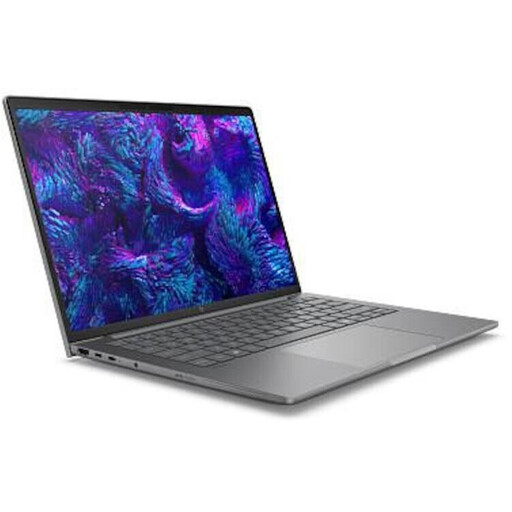
HP ZBook 8 G1i 14 Ultra 9 285H
The listed memory may be useful when running development tools side by side; compare it with your actual needs.
14 inches, 16:10 WQXGA IPS display, 64 GB RAM and 1 TB SSD. Listed ports include HDMI 2.1, Thunderbolt 4 and USB 4; the device is described as running Windows 11 Pro and weighs 1,43 kg according to the listing.
View at Joybuy
 No image available
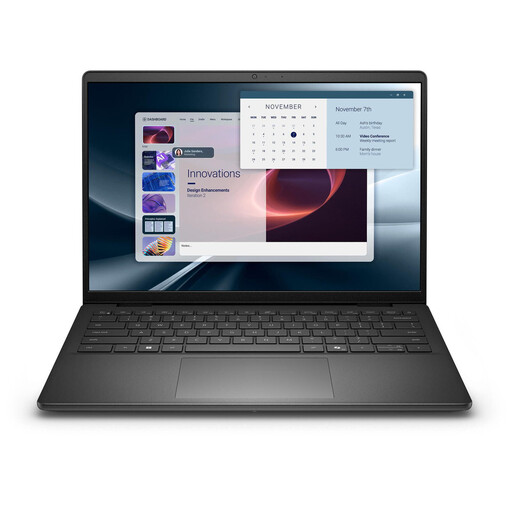
Dell Pro 14 Essential PV14255
The listed combination of memory and display ports is relevant for development tools and connecting an external screen.
14 inches, 16:10 FHD+ display, AMD Ryzen AI 7 350, 16 GB RAM and 1 TB SSD. Listed ports include HDMI, USB-C and USB-A; the device is described as running Windows 11 Pro.
View at Joybuy
 No image available
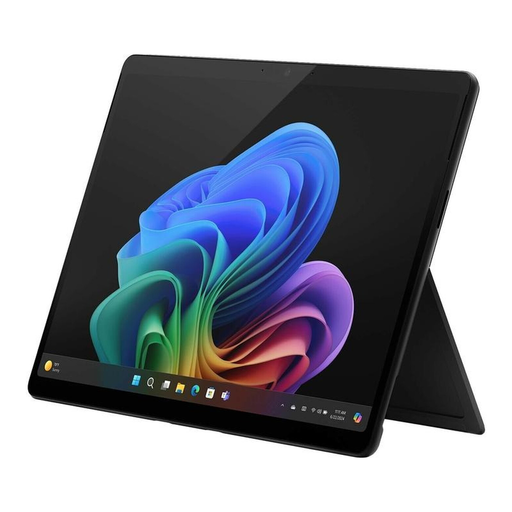
Microsoft Surface Pro 11 for Business 13-inch OLED
The 2-in-1 design and stated weight are worth considering if you regularly move between workspaces; check that the format suits your workflow.
13 inches, OLED display, Intel Core Ultra 7 266V, 16 GB memory and 512 GB SSD. Listed ports include two Thunderbolt 4 USB-C ports; the device is described as running Windows 11 Pro and weighs 0,872 kg according to the listing.
View at Joybuy
 No image available
THUNDEROBOT Radiant S16
The listed ports may be useful at a shared monitor setup; check that they match the inputs on your monitor or dock.
16 inches, QHD+ display with a 240 Hz refresh rate, AMD Ryzen 7 7745HX, 16 GB DDR5, 1 TB SSD and NVIDIA GeForce RTX 5060. Listed ports include USB-A, USB-C, HDMI and Mini DisplayPort. Use on a hard, flat surface under heavy load, and keep the ventilation openings clear.
View at Joybuy
Frequently asked questions
Do I need a dedicated graphics card for a basic browser extension?
Google and Mozilla’s guides don’t list a dedicated graphics card as a general requirement for a browser extension. They describe extensions built with HTML, CSS and JavaScript, and testing them in a browser. Check separately for any additional requirements if you plan to use more demanding applications.
How can I set up my laptop at a shared workspace?
Before buying, check that the inputs on your existing monitor or dock match the video and charging features explicitly listed for the laptop’s port. Lock your device when you leave your desk. If you’re using it for work, you should also check which software your IT team approves. The Federal Office for Information Security recommends locking your device when you leave your workspace.
How can I avoid problems with maintenance or a future memory upgrade?
Check the full model and configuration number. For the documented ExpertBook B1 B1403CVA, ASUS lists SO-DIMM slots, while HP notes that ProBook configurations can differ. Check the upgrade options and service terms for the specific product on offer rather than assuming every device in a range is the same.
Are the manufacturer’s warranty and statutory rights for faulty goods the same in Germany?
No. The Verbraucherzentrale distinguishes between a voluntary warranty and statutory claims against the seller. Under § 438 BGB, the limitation period for the specified claims relating to defects in ordinary movable goods is generally two years from delivery. The claims and conditions for each individual purchase should be assessed separately.
Can I simply cancel an online laptop order in Germany?
Consumers generally have a right to cancel a distance contract; § 355 BGB sets a 14-day period. Exceptions and the start of the cancellation period depend on the contract. The Verbraucherzentrale explains that, for goods ordered online, the period usually starts when they are received. A purchase for business use is not a consumer purchase just because it was made online.


