Which approach is right for you?

Developing for Chrome with several tools open

If you’re building an extension with web technologies and using an editor, browser and other tools at the same time, the specific laptop configuration matters. Google Chrome for Developers describes HTML, CSS and JavaScript as the foundations of extensions, while Microsoft Visual Studio Code describes its editor as lightweight. This doesn’t establish a universal minimum specification for your entire workflow.

Developing and testing for multiple browsers

If your extension also needs to work in other browsers, plan to test it in the browsers you’re actually targeting. Mozilla Developer Network documents differences between WebExtension APIs. For a Safari web extension project, Apple Developer describes a development workflow using Xcode.

Working at a permanent home office desk

If you work at a desk with your laptop display, an external monitor and existing peripherals, check the ports and display support of the specific model against your planned setup. A USB-C port alone doesn’t confirm that a particular monitor configuration will work.

What should you consider when choosing?

Windows for Chrome or Firefox

A good fit if: you mainly use web technologies and the desktop browsers you’re targeting, and don’t need to build for Safari with Xcode.

Things to weigh up: RAM, display and ports vary by model and configuration. Differences between browser APIs remain, whatever laptop you choose.

Mac for Safari with Xcode

A good fit if: you want to create or package a Safari web extension project in Xcode using Apple’s documented workflow.

Things to weigh up: This is the right choice for a Safari workflow, not a requirement for every Chrome or Firefox extension. Check the ports and what’s included with the specific model too.

What you need What to look for when buying Who is this important to?
Running development tools together Check the operating system compatibility, RAM and SSD of the specific model for the programmes you’ll use at the same time. If I keep my editor, browser and other tools open together, the configuration needs to suit that workflow. Around 33% of consumers put multitasking first.
Target browsers and the Safari workflow Choose your target browsers and development workflow before deciding on an operating system. For Safari, check the requirements of the Xcode version you plan to use. If I develop for several browsers, I want to test the APIs and builds I actually plan to use. Around 25% of consumers focus on their target browsers and the right development workflow.
Display and ports Check your monitors and peripherals against the ports and documented display support of the exact model. At my desk, I want to be able to arrange code and browser previews across the screens I already have. Around 17% of consumers prioritise the display and ports for this reason.
Equipment to suit your needs Consider your editor’s requirements separately from those of other tools, and weigh up the cost of extra RAM and SSD storage based on your own workflow. If I’m starting with a smaller project, I don’t want to upgrade unnecessarily just because a laptop is labelled ‘for development’. Around 25% of consumers prioritise getting the basics right.

Common buying mistakes

  • Assuming you need a high-end CPU or GPU

    Google Chrome for Developers describes extensions as using HTML, CSS and JavaScript. Microsoft Visual Studio Code describes its editor as lightweight, but that doesn’t set a universal requirement for all the other tools you might use.

    Start by listing your target browsers and the programmes you’ll run at the same time. Then compare configurations rather than judging suitability by the processor or graphics card alone.

  • Planning to use the wrong development workflow for Safari

    Apple Developer describes a workflow for Safari web extension projects using an Xcode project. This requirement applies to that Safari workflow, not to every browser extension.

    Before buying a laptop, decide whether you want to create Safari builds and check the requirements of the Xcode version you plan to use.

  • Assuming monitor support or a power adapter based on the product range

    Ports and what’s included vary by configuration. Apple notes that the MacBook Air M5 reviewed here doesn’t include a power adapter; ASUS says the same about the Zenbook 14 OLED UX3405CA-QL205W.

    Check the details for the exact model and make sure it supports your monitor setup.

    Depending on your workspace, you may need a suitable adapter, dock or separate power adapter.

  • Confusing the manufacturer’s warranty with your statutory rights

    A voluntary warranty doesn’t replace your statutory rights if goods are faulty. Your Europe, the European Union’s consumer portal, explains that a commercial guarantee cannot reduce these rights.

    Read the warranty terms separately from your statutory claims against the seller.

Relevant brands and specific product ranges

Lenovo

The ThinkPad E14 Gen 7, variant 21SX003SGE, is an example of a Windows business laptop with a 14-inch display and German keyboard.

  • Lenovo lists 32 GB RAM, a 1 TB SSD and a matt WUXGA display for this variant.
  • These specifications apply to the configuration listed, not automatically to other E14 models.

Apple

The MacBook Air M5 is worth considering if your Safari project needs Apple’s documented Xcode workflow.

  • Apple lists two Thunderbolt 4 ports and support for up to two external displays for the 15-inch M5 model.
  • Apple says the reviewed configuration with 24 GB RAM and 1 TB storage doesn’t include a power adapter. Display and storage options vary by model.

HP

The ProBook 4 G1a 14, model number CB4M5EA#ABD, is another example of a Windows configuration for a home office desk.

  • HP lists 16 GB RAM, a 1 TB SSD, HDMI, USB-A and two USB-C ports for this variant.
  • These specifications describe this configuration, not all ProBook models as a whole.

ASUS

The Zenbook 14 OLED UX3405CA-QL205W is a compact Windows option with a built-in 14-inch display.

  • ASUS lists 32 GB RAM, a 1 TB SSD, a WUXGA OLED touchscreen and two Thunderbolt 4 ports for this variant.
  • ASUS says a power adapter isn’t included. Check details for other UX3405 variants separately.

Dell

The Latitude 5455 is a business configuration running Windows 11 Pro on Snapdragon or Arm hardware.

  • Dell lists 16 GB RAM and a 512 GB SSD for the configuration shown.
  • Dell notes that a power adapter isn’t included. If you use additional local tools, check that they’re compatible with this specific Arm configuration.

Joybuy products for Windows development

This selection includes Windows laptops for Chrome- or Firefox-focused development and home office use. The product details refer to the specific variant listed. If you’re working on a Safari project with Xcode, check your platform requirements separately.
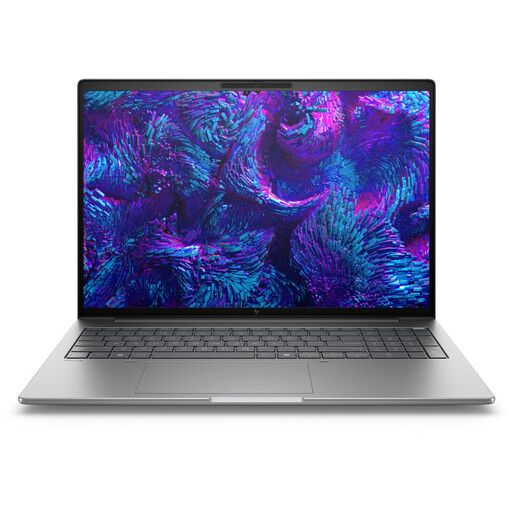
HP ZBook 8 G1i 16 Ultra 7 265H with 64 GB RAM and 2 TB SSD

HP ZBook 8 G1i 16 Ultra 7 265H, 64 GB RAM, 2 TB SSD

For a Windows development setup at a permanent workstation; this variant comes with 64 GB RAM and a 2 TB SSD.

The product name also specifies an Ultra 7 265H processor.

Joybuy
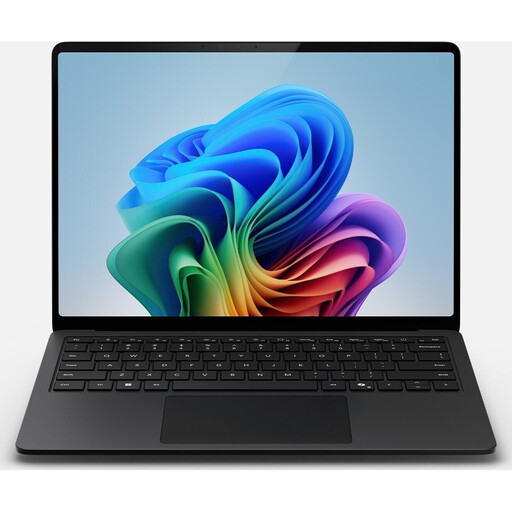
Microsoft Surface Laptop 7 with Snapdragon X Plus, 16 GB RAM and 512 GB SSD

Microsoft Surface Laptop 7 Snapdragon X Plus, 16 GB RAM, 512 GB SSD

For Chrome- or Firefox-focused development on Windows. Before buying, check that all the other tools you need work with this specific configuration.

The product name specifies 16 GB RAM and a 512 GB SSD.

Joybuy
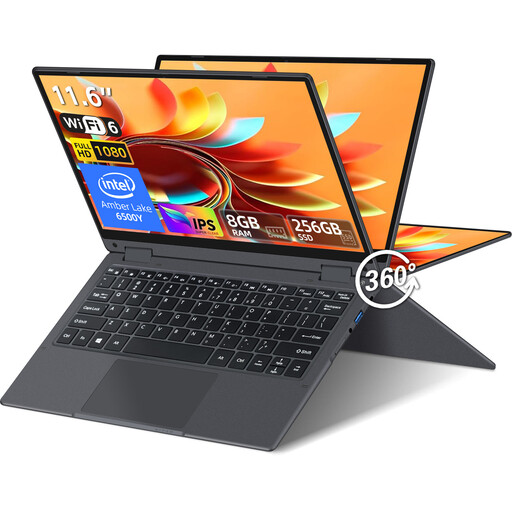
11.6-inch YOGA laptop with 360-degree touchscreen, 8 GB RAM and 256 GB SSD

YOGA laptop, 11.6-inch, 8 GB RAM, 256 GB SSD

For working directly on the built-in display; the product name specifies a touchscreen with a 360° hinge.

The listed configuration includes 8 GB RAM and a 256 GB SSD.

Joybuy
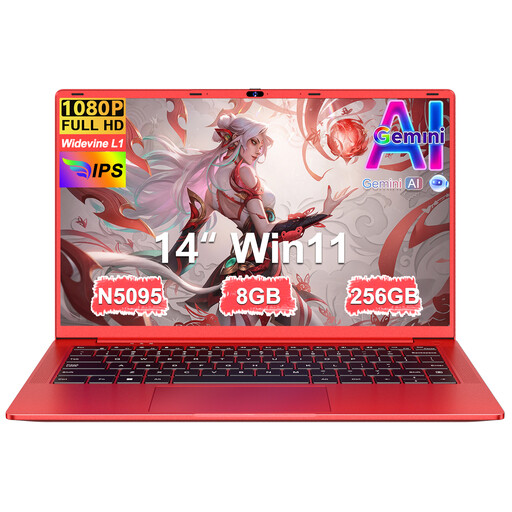
Ruzava laptop with 14-inch FHD display, 8 GB RAM and 256 GB SSD

Ruzava laptop, 14-inch, 8 GB RAM, 256 GB SSD

For working on the built-in display; this configuration includes 8 GB RAM and a 256 GB SSD.

The product name also specifies an N5095 processor, USB 3.0 and Type-C.

Joybuy
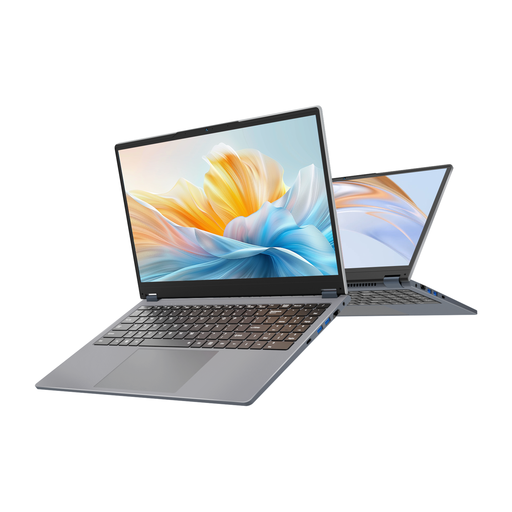
Ninkear YBook15 2-in-1 with 15.6-inch FHD touchscreen, 8 GB RAM and 512 GB SSD

Ninkear YBook15 2-in-1, 15.6-inch, 8 GB RAM, 512 GB SSD

For working with a built-in 15.6-inch display; the product name describes it as a 2-in-1 with a 360° touchscreen.

The listed configuration includes 8 GB RAM and a 512 GB SSD.

Joybuy

Frequently asked questions

Do I need a particularly powerful laptop for a Chrome extension?

Not just for the extension itself: Google Chrome for Developers describes HTML, CSS and JavaScript as the foundations, and Microsoft Visual Studio Code describes its editor as lightweight. Also check the requirements of all the programmes you plan to use at the same time.

Do I need to buy a Mac for a Safari web extension?

If you want to follow Apple’s documented workflow for creating a Safari web extension project in Xcode, you’ll need a compatible Mac development environment. This isn’t a general requirement for Chrome extensions. Also check the requirements of the Xcode version you plan to use.

How do I test an extension across multiple browsers?

Choose your target browsers and test the APIs and manifest entries you use in each one. Mozilla Developer Network documents differences between Chrome, Firefox and Safari, so using a shared codebase doesn’t guarantee identical behaviour.

What additional purchases should I check for?

Check whether your monitors need adapters and whether a power adapter is included with your chosen configuration. Apple notes that the MacBook Air M5 reviewed here is supplied without a power adapter; ASUS gives the same notice for the Zenbook variant reviewed here.

What are my rights when buying a laptop online in Germany?

Consumer goods are generally covered by a statutory guarantee against defects lasting at least two years, which you can claim against the seller; an additional manufacturer’s warranty doesn’t replace it. Online purchases usually come with a 14-day right to cancel. Your Europe, the European Union’s consumer portal, explains the minimum period of statutory protection, while the consumer advice centre outlines the cancellation period. Exceptions and the circumstances of the specific purchase contract should also be taken into account.