What should you look for when buying?
First, work out whether you’ll need to use the laptop without a power socket and whether you have to run a particular study application. Then you can weigh up the screen, size and features to suit your café visits.
| Buying criterion |
What to look for |
Who should pay particular attention? |
| Working without a power socket |
Assess battery life alongside the stated test conditions; check the charging port and power adapter for the exact version. |
If I can’t be sure of charging during a long café visit, I want to avoid interruptions. Around 25% of consumers prioritise battery life above all else. |
| Reading and writing |
Compare the screen finish and readability, keyboard layout and typing feel of the version you’re considering. |
If I’m reading longer tasks and typing answers, the screen and keyboard are key to my choice. Around 20% of consumers prioritise reading and typing above all else. |
| Portability and table space |
Check the dimensions and weight of the complete configuration; a larger screen is more likely to take up space on the table. |
If I carry my laptop around often and have little room at a café table, a compact design matters to me. Around 20% of consumers prioritise portability above all else. |
| Study software |
Check the operating system against the requirements of the specific application; look into browser and offline features in advance. |
If my course requires a particular study or exam application, it needs to work on the operating system I choose. Around 20% of consumers prioritise software compatibility above all else. |
| Upfront and ongoing costs |
Choose features to suit the browser and apps you’ll actually use; distinguish optional services from your statutory rights. |
If I mainly work through practice questions, I don’t want to pay for features I don’t need. Around 15% of consumers prioritise overall cost above all else. |
Laptops at Joybuy
This selection includes compact Windows devices, convertibles and a MacBook for different study environments. If your study software requires a particular operating system, check compatibility before choosing.
 No image available
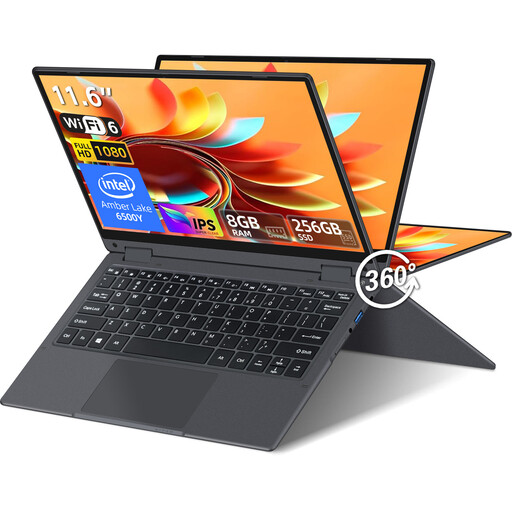
YOGA 11.6-inch Laptop with 360° touchscreen
The compact design could be a good fit if you have limited space at your café table and want a Windows device.
11.6-inch touchscreen; 360° hinge; Intel Pentium Gold 6500Y; 8 GB RAM; 256 GB SSD; Windows 11 Pro.
View at Joybuy
 No image available
HP OmniBook Ultra Flip 14-fh0670ng
A possible choice if you need Windows and want to use the touchscreen or folding modes.
14-inch touchscreen; 1.34 kg; Intel Core Ultra 7 258V; 32 GB RAM; 1 TB SSD; 2.8K OLED; Windows 11 Home. The product description quotes up to 16.25 hours of battery life and up to 20.5 hours of video playback; actual battery life may vary depending on use.
View at Joybuy
 No image available
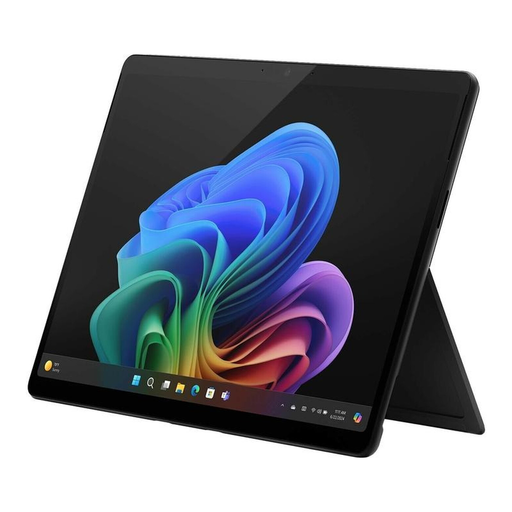
Microsoft Surface Pro 11 for Business
The compact 2-in-1 design could be a useful option on the go if your study software requires Windows.
13-inch OLED display; 0.872 kg; Intel Core Ultra 7 266V; 16 GB RAM; 512 GB SSD; Windows 11 Pro. The product description quotes up to 14 hours of battery life.
View at Joybuy
 No image available
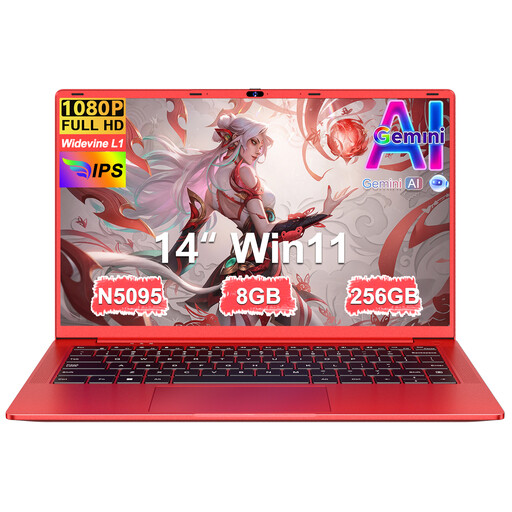
Ruzava 14-inch Laptop
The 14-inch size is an option if you’re looking for a Windows laptop for working through questions at a café table.
1.39 kg; 14-inch FHD IPS display; N5095 processor up to 2.9 GHz; 8 GB RAM; 256 GB SSD, expandable to 1 TB. The product description quotes up to 7 hours of battery life.
View at Joybuy
 No image available
Apple 13-inch MacBook Air (M5, 2026), 16 GB/512 GB
The MacBook Air is worth considering if your study platforms support macOS and you need a German keyboard.
13.6-inch display; 1.23 kg; 16 GB RAM; 512 GB SSD; German QWERTZ keyboard. The product description quotes up to 18 hours of video playback; this isn’t a guarantee of battery life for your use. According to the product description, a power adapter is not included.
View at Joybuy
Frequently asked questions
How should I get my laptop ready for practice questions in a café?
Open your study platform in advance and check your login, any files you need and offline features. When using public Wi-Fi, the Verbraucherzentrale recommends, among other things, using encrypted websites and turning off active file or folder sharing. Germany’s Federal Office for Information Security warns against sending confidential data over unsecured public Wi-Fi.
Is a Chromebook suitable for every kind of exam preparation?
Not necessarily. A Chromebook running ChromeOS is suitable only if the specific websites and any additional applications you need work with it. Check the requirements of your study platform before choosing this operating system.
What are my rights if a laptop I bought online in Germany is faulty?
When you buy from a business seller, you have a statutory guarantee of at least two years from the date you receive the goods; the seller is generally responsible for dealing with this. Your Europe, the European Union’s website, distinguishes these rights from a voluntary manufacturer’s guarantee or an additional service plan.
Can I return a laptop bought online if the screen or keyboard isn’t right for me?
When you buy from a business seller at a distance, you generally have 14 days from delivery to cancel the purchase without giving a reason. Your Europe, the European Union’s website, advises checking the applicable conditions and any return costs. This right to cancel doesn’t apply when you buy from a private individual.


