For a coin catalogue with linked supporting documents, choose a laptop with an operating system that’s compatible with your chosen software. Spreadsheets can contain file hyperlinks, while specialist coin software offers coin-specific fields and photo features. Before you buy, check that links still work after files are moved, that the storage and ports suit your archive and devices, and that you can back up your catalogue and supporting documents together.
Which setup is right for you?
Collectors with an archive of supporting documents
If you want to link catalogue entries to existing source files and keep those links working when you change devices, check your folder structure and link type. Microsoft Support explains how to create file hyperlinks in Excel, while LibreOffice Help covers relative and absolute links.
Collectors with lots of coin photos
If you want to manage images alongside your catalogue data, compare the available storage with the size of your photo archive. OpenNumismat documents features for adding coin photos; the amount of SSD storage available depends on the laptop configuration you choose.
Collectors who catalogue on the go
If you regularly take your laptop with you to your collection, weigh up screen size and ports against a compact design. Also check whether you can connect your existing camera and other peripherals without an additional adapter.
What should you look for when buying?
First, decide how you want to organise your catalogue and supporting documents. A spreadsheet with file hyperlinks and specialist coin software have different strengths.
Spreadsheet with file hyperlinks
Best for: linking existing PDFs or other local source files to individual coins. Microsoft Support explains how to create file hyperlinks in Excel, while LibreOffice Help covers relative and absolute links.
Keep in mind: you’ll need to organise coin-specific fields yourself, and you should test links after moving files or changing devices.
Specialist coin software
Best for: working with coin details, search, sorting and photos. OpenNumismat documents coin fields and photo features, and lists Windows, Linux and macOS as supported platforms.
Keep in mind: try it with a sample coin to check whether you can link arbitrary local source files in the way you want.
| Priority |
What to check before buying |
Who should consider this? |
| Reliable links to supporting documents |
Test your catalogue software on your chosen operating system, then reopen a copy of your catalogue and source folder after moving them. |
If I want to open supporting documents directly from individual catalogue entries, reliable file links are my main priority. Around 36% of consumers prioritise these links to source files. |
| Storage for coin photos |
Check the SSD capacity against the size of your archive, and allow room for additional photos. |
If I want to manage coin photos alongside my catalogue data, available storage is important to me. Around 29% of consumers prioritise coin photos and local storage. |
| Ports for your devices |
Check the connectors on your camera, microscope and backup drive against the ports on the specific laptop configuration. |
If I want to connect the cameras and storage devices I already own, I need to check that the sockets are compatible. Around 21% of consumers prioritise connecting their peripherals. |
| Portability for cataloguing |
Compare the screen size and design with your workspace and the journey to your collection. Don’t treat the manufacturer’s battery claims as guaranteed for your particular workflow. |
If I regularly take my laptop with me to my collection, I want a good balance between portability and screen space. Around 14% of consumers put portability first. |
Avoid common mistakes
-
Backing up the catalogue but not its linked supporting documents
Restoring a catalogue file won’t replace source files saved separately. The German Federal Office for Information Security recommends keeping backups, for example in case a device is damaged or stolen.
Keep your catalogue and source folder together, and test a restore along with a few links.
If you don’t already have a suitable backup device, you may need to buy one.
-
Assuming coin software supports any file attachment
The catalogue and photo features documented by OpenNumismat don’t automatically mean that any local source file can be permanently linked to every entry.
Before deciding, test the link you want to use with a sample coin and source file.
-
Assuming a model name tells you which ports it has
The MacBook Air configuration reviewed has USB-C ports; HP also lists Type-A ports for the specific ProBook configuration. So which ports will work for you depends on the exact configuration and your devices.
Check the connectors on your camera, microscope and backup drive against the specifications for the exact configuration.
A suitable adapter may be needed for USB-A devices.
Key brands to consider
Lenovo
The ThinkPad E14 Gen 7 AMD is a Windows option with a 14-inch screen, suited to a catalogue workspace that’s mostly stationary or moves between locations.
- Lenovo lists 16 GB RAM, a 512-GB SSD and a matt WUXGA screen for configuration 21T00022GE.
- These specifications apply to the configuration listed and don’t automatically apply to other versions.
Apple
The 13-inch MacBook Air M5 is a compact macOS option, provided it’s compatible with your chosen catalogue software and existing peripherals.
- Apple lists 16 GB of unified memory, at least 512 GB SSD storage and two Thunderbolt 4 ports with USB-C for this model.
- Check whether your existing USB-A devices need an adapter. The manufacturer’s battery life claim isn’t a real-world test for catalogue work.
HP
The 14-inch ProBook 4 G1a is a Windows option if local files and a choice of ports for your existing devices are important to you.
- HP lists 16 GB RAM, a 1-TB SSD, and Type-A and Type-C ports for configuration CB4M5EA#ABD.
- These specifications apply to this specific configuration; check other versions separately.
Joybuy products
This selection features compact MacBook Air M5 configurations for a portable macOS catalogue setup. Before buying, check that your catalogue software and existing devices are compatible with the operating system and ports.
 No image available
Apple MacBook Air 13-inch (M5, 2026), 10-core CPU, 8-core GPU, 16 GB, 512 GB SSD, Silver, German QWERTZ keyboard
This compact macOS configuration could be a good fit if your catalogue software and peripherals are compatible with the system and its USB-C ports.
Apple lists 16 GB of unified memory, a 512-GB SSD and two Thunderbolt 4 ports with USB-C for this model. OpenNumismat lists macOS as a supported platform.
A power adapter isn’t included. A suitable adapter may be needed for devices with a USB-A plug.
Joybuy
 No image available
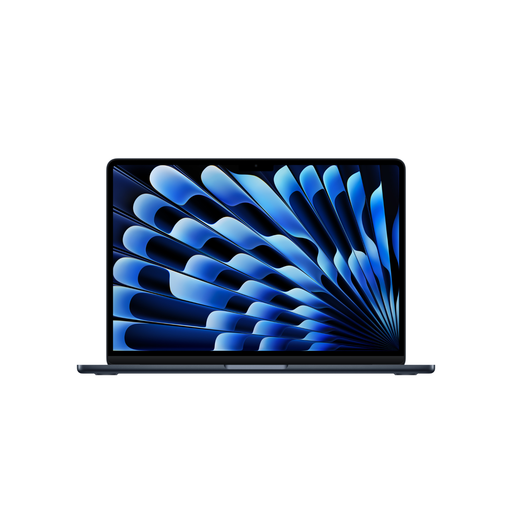
Apple MacBook Air 13-inch (M5, 2026), 10-core CPU, 10-core GPU, 16 GB, 1 TB SSD, Midnight, German QWERTZ keyboard
This configuration has more SSD storage than the 512-GB version, which could be useful if your coin photos and source archive need extra space.
This model is listed with 16 GB of unified memory, a 1-TB SSD and two Thunderbolt 4 ports with USB-C. OpenNumismat lists macOS as a supported platform.
A power adapter isn’t included. A suitable adapter may be needed for devices with a USB-A plug.
Joybuy
Frequently asked questions
How can I set up source links so I can move my catalogue later?
Save your catalogue and source files in a planned folder structure, then test a copy after moving them. LibreOffice Help distinguishes between relative and absolute links, while Excel documents hyperlinks to existing files. Check how links work in the application you intend to use.
Is a copy of my catalogue enough as a backup?
Not if your supporting documents are saved as separate files: back those up too, and check that you can open them from the restored copy of your catalogue. The German Federal Office for Information Security recommends keeping backups, including in case of damage or device theft.
What extra costs should I budget for?
Depending on the equipment you already have, you may need a suitable adapter for USB peripherals or an external backup drive. First, check which devices you own and what ports they need.
Does a laptop bought in Germany come with a statutory guarantee?
According to consumer information from the European Union, when consumers buy from a business seller, goods are covered by a statutory guarantee for at least two years from the date they’re received. This is separate from any additional manufacturer’s warranty; these rules don’t apply to purchases from private individuals.


