What should you look for when buying?
Start by checking your workflow and the software you already use. Then consider the display and ports at your shared desk, and finally how often you’ll need to carry the laptop and its accessories.
| What matters when buying |
What to check |
Who is this important to? |
| Writing and proofreading longer texts |
The keyboard layout on the specific model, the display finish and resolution, and how easy your documents are to read at your desk. |
If I write and proofread a lot of programme copy, I pay particular attention to the keyboard and clear, easy-to-read documents. Around 33% of consumers put writing and proofreading first. |
| Layout, files and music notation |
Existing project files, the layout and music notation software you need, the operating system and export options for your final file. |
If I design pages or edit music notation files, my software and files need to work with the laptop. For around 27% of consumers, software and layout compatibility is their top buying priority. |
| Connecting a monitor and accessories |
The ports on your monitor or dock, the USB devices you need to use at the same time, and the power supply included with the specific model. |
If I share a desk with others, I want to connect a monitor, input devices and power as needed, then free up the space afterwards. Around 20% of consumers prioritise ports and desk organisation. |
| Moving between workspaces |
The weight of the laptop and accessories, the charging options available, and whether there’s a screen at your next workspace. |
If I regularly take my laptop, charger and accessories with me, portability matters more to me than having the largest possible display. Around 20% of consumers prioritise portability and charging. |
Joybuy product options
This selection covers larger Windows laptops for working on pages without a second monitor permanently available.
 No image available
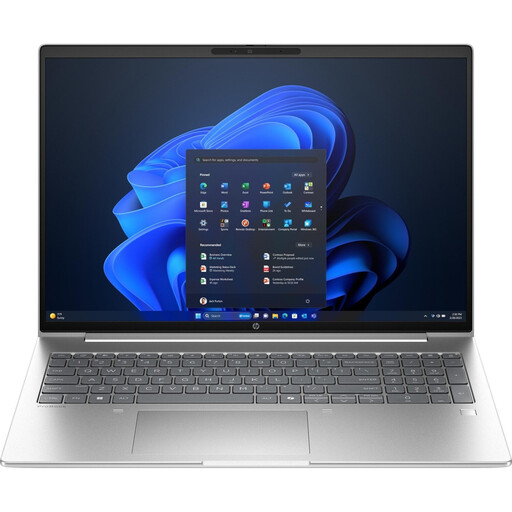
HP ProBook 4 16 G1i laptop
The 16-inch display could be a good fit if you want to check pages directly on your laptop and have enough room on the shared desk.
16-inch IPS display with 1920 × 1200 pixels; Intel Core Ultra 7 255U; 32 GB RAM; 1 TB NVMe SSD; Windows 11 Pro; Wi-Fi 7.
The display takes up more desk space than a more compact laptop screen. Check the ports and what’s included with the specific model to make sure it suits your workspace.
Joybuy
Frequently asked questions
Do I need Windows to prepare a concert programme?
No, not just for the software mentioned here: Scribus lists Windows and macOS, while MuseScore Studio supports Windows, Mac and Linux. Also check that your specific project files, fonts and other software will work with the system you choose.
How can I set up for longer periods of work at a shared desk?
Check whether an external screen and separate input devices can be set up comfortably in the space. The Federal Institute for Occupational Safety and Health recommends an ergonomic arrangement of screens and input devices for mobile working. ASR A6 applies within its scope to screen-based work in workplaces and teleworking spaces; it doesn’t apply universally to every home desk.
What should I check before printing my concert programme?
Open a representative project file and check the PDF export you need, as well as fonts and images, against your printer’s requirements. Scribus describes PDF creation and colour management as features, but that doesn’t mean a specific export will be suitable for every print job without checking.
What rights apply when buying a laptop online from a trader?
For a qualifying distance purchase, you generally have a 14-day right to cancel from the date of delivery; exceptions and possible return costs should be taken into account. Your Europe, the European Union’s information portal, also explains that goods are covered by a legal guarantee of at least two years from receipt. This is different from a voluntary manufacturer’s warranty.
Can I simply use other people’s images, text or sheet music in my concert programme?
No. Being able to edit material on your laptop doesn’t automatically give you the rights to use it. The German Patent and Trade Mark Office describes reproduction, distribution and making content available to the public as possible exploitation rights. If you’re using protected material, check the rights and any legal exceptions that may apply to your planned print or online publication.


