If you’ll mainly be typing, a portable laptop is a sensible place to start. Compare the keyboard, noise levels and battery life under conditions similar to your day-to-day use. A convertible may be a better fit if you regularly write directly on slides or make sketches; check the touchscreen, stylus support and what’s included for the exact configuration. If your course requires specific software, also check the operating system, processor platform and any drivers you need before deciding.
Who are the different devices best suited to?
Library users who type
If you take lengthy notes and regularly carry your laptop with you, pay attention to the keyboard, touchpad, display and noise levels. CHIP lists screen features and portability among the criteria to consider when choosing a laptop.
Students with long days
If you move between classes and the library, compare battery-life measurements with the conditions used for the manufacturer’s claims. Apple and ASUS provide figures for individual models, but actual battery life depends on how you use the device.
Students who take handwritten notes
If you regularly annotate slides or make sketches, a convertible could be a good option. HP notes that specifications can vary by configuration and region, so check the touchscreen, stylus support and what’s included for the specific model.
What should you look for when buying?
Traditional laptop
A good fit if: you mainly type and often carry your device between lectures and the library.
The trade-off: Without a suitable touchscreen and stylus, annotating by hand is less straightforward.
Convertible with touchscreen
A good fit if: handwritten additions to course materials or drawings are a regular part of how you work.
The trade-off: A touchscreen alone doesn’t confirm stylus compatibility or that a stylus is included. The keyboard and weight also need to work for you.
| Priority |
What to check before buying |
Who it matters most to |
| Quiet, portable typing |
Try the keyboard and touchpad; compare the weight and noise levels of the specific model. |
If I take my laptop with me every day and write lengthy texts somewhere quiet, quiet operation and comfortable input devices matter most. Around 29% of consumers are likely to have this as their main priority. |
| Battery life on the go |
Compare the manufacturer’s test conditions with battery-life measurements taken under similar usage; check the model’s charging ports. |
If my study day takes me between classes and the library without reliable access to a socket, I want to estimate battery life under realistic conditions. Around 23% of consumers are likely to prioritise minimising charging breaks. |
| Handwritten notes |
Check for a touchscreen, a stylus that’s explicitly supported, and whether it’s included with the specific configuration. |
If I regularly write on slides or make sketches, stylus input matters more to me than a touchscreen alone. Around 18% of consumers are likely to have this as their main priority. |
| Course software |
Check the requirements of essential software and peripherals against the operating system, processor platform and drivers. |
If my course requires specific software or device drivers, I need to confirm they’ll work before considering portability or other features. Around 18% of consumers are likely to prioritise essential software. |
| What’s included and upgradeability |
Check which components are included and whether the memory in the specific configuration can be upgraded later. |
If I want to set up a device for my workflow and adapt it as my needs change, what’s included and how the memory is configured are key. Around 12% of consumers are likely to have this as their main priority. |
Which buying mistakes should you avoid?
-
Assuming the advertised maximum battery life will last you through a library session
Manufacturers’ figures are based on specific test conditions and don’t guarantee the same results for a day of using several apps.
Compare the conditions behind the manufacturer’s claim with independent tests and your typical workflow.
If you often work without access to a socket, also check whether a suitable power adapter is included or whether you’ll need to bring one.
-
Assuming a touchscreen means you’re ready to use a stylus
A touchscreen specification alone doesn’t tell you whether a stylus is supported or included.
Check stylus support and what’s included using the full model name.
If you need to buy a compatible stylus separately, you’ll have to source one as well.
-
Choosing an ARM-based Windows laptop without checking software compatibility
Microsoft describes support for many Windows apps on ARM-based Windows 11 PCs, but this doesn’t confirm compatibility with every specialist application or device driver.
Before buying, check the requirements of your essential software and peripherals against the information provided by their respective suppliers.
-
Assuming similarly named model variants are the same
Processor, display and memory can vary within a model range. A result for one specific version doesn’t necessarily apply to every configuration with a similar name.
Compare the full model number and the features that matter to you with the specific product listing.
Which brands are worth considering?
Apple
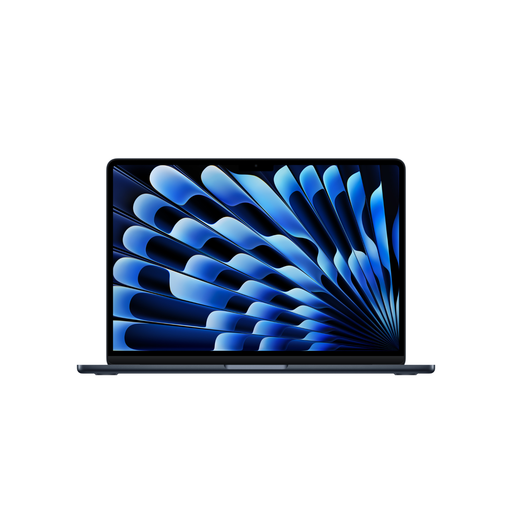
The MacBook Air with M5 could suit you if you mainly type and the software you need is compatible with macOS.
- Apple describes the MacBook Air as fanless and lists the 13-inch model’s weight as 1.23 kg.
- Battery life depends on how you use it; check compatibility with your specific course software separately.
ASUS
The Zenbook A14 UX3407 is a portability-focused Windows-on-ARM range where the specific variant matters.
- ASUS lists the UX3407QA, UX3407RA and UX3407NA variants with different processors and display options.
- Check that your essential software and peripherals work with the specific platform; the variants also differ in their specifications.
HP
The OmniBook X Flip 14 series is a convertible option if you regularly want to write directly on the screen as well as type.
- The series includes convertible configurations designed for touch input.
- HP notes that specifications vary by region and configuration. Check the touchscreen, stylus support and what’s included in the individual listing.
Acer
The Aspire 14 AI Intel range is a Windows laptop option for mobile, everyday use.
- Acer lists several memory options for the range.
- The manufacturer’s advertised maximum battery life doesn’t confirm the specifications or the actual battery life of every variant.
Lenovo
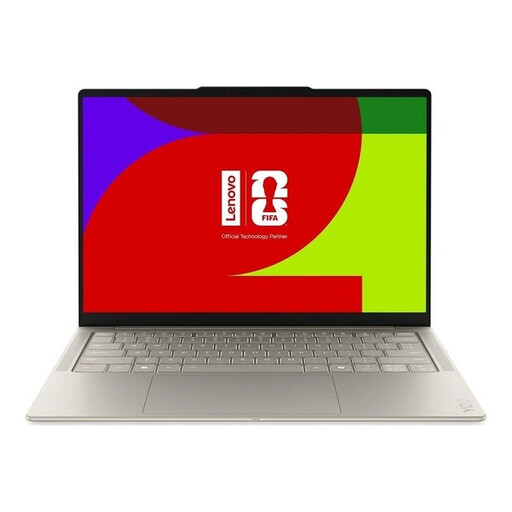
The Yoga Slim 7a Gen 11 is a compact laptop option for taking notes mainly by typing.
- The German configuration tested has a backlit keyboard.
- This configuration has a glossy, non-touch display and soldered memory. These features don’t necessarily apply to every Yoga model.
Joybuy products for typed notes
The following Joybuy listings include laptops suited to taking notes by typing. Choose a screen size and keyboard that suit your study space, and check that the specific configuration supports any essential software before buying.
 No image available
Lenovo Yoga Slim 7i Aura Edition, 14-inch, Core Ultra 7 355, 16 GB/1 TB SSD
At 1.14 kg, with a backlit German-layout keyboard, this laptop is designed for typing on the go.
14-inch 2.8K OLED display; 16 GB RAM; 1 TB SSD; Windows 11 Evo.
View at Joybuy
 No image available
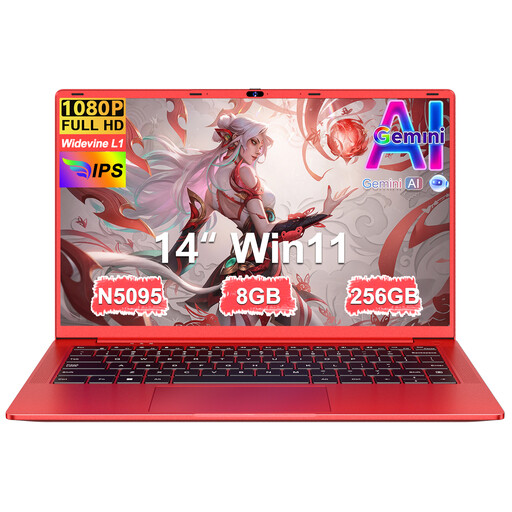
Ruzava 14-inch laptop, N5095, 8 GB RAM, 256 GB SSD
The 14-inch format and stated weight of 1.39 kg make it suitable for regular travel.
FHD display; 8 GB RAM; 256 GB SSD; according to the product description, storage can be expanded up to 1 TB.
View at Joybuy
 No image available
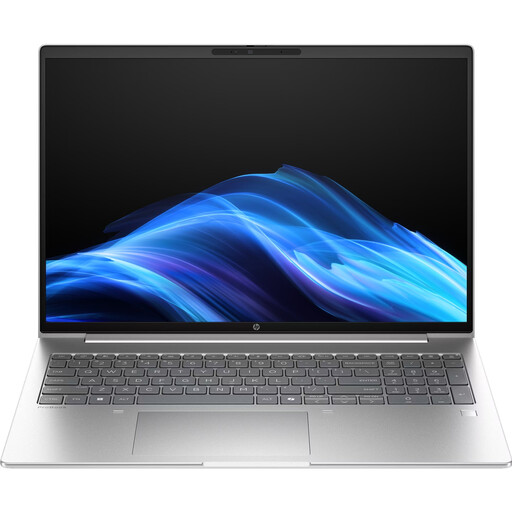
HP ProBook 4 G1a, 16-inch, Ryzen 5 230, 16 GB RAM, 512 GB SSD
The backlit German-layout keyboard is well suited to typed notes. At 1.75 kg, this laptop is heavier than the lighter options in this selection.
Anti-glare 16-inch WUXGA IPS display; Windows 11 Pro.
View at Joybuy
 No image available
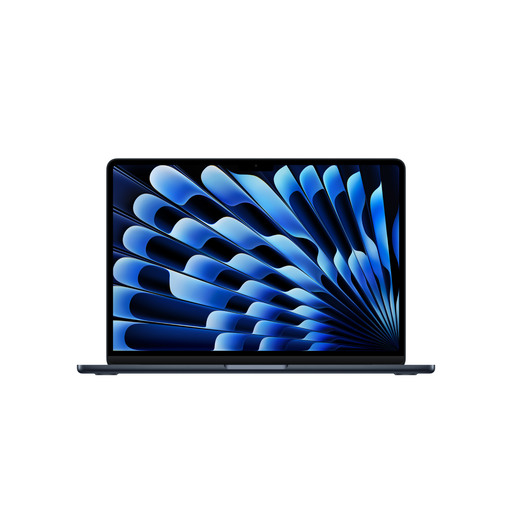
Apple 13-inch MacBook Air (M5, 2026), 16 GB, 512 GB SSD, Midnight
At 1.23 kg, with a backlit German QWERTZ keyboard, this model is well suited to taking notes by typing on the go.
13.6-inch display; 10-core CPU; 8-core GPU; 16 GB memory; 512 GB SSD.
According to the product listing, a power adapter is not included.
View at Joybuy
 No image available
Apple 15-inch MacBook Air (M5, 2026), 16 GB, 512 GB SSD, Midnight
The 15.3-inch display gives you more screen space for writing; the stated weight is 1.51 kg.
German QWERTZ keyboard; 10-core CPU; 10-core GPU; 16 GB memory; 512 GB SSD.
According to the product listing, a power adapter is not included.
View at Joybuy
Frequently asked questions
Is a touchscreen enough for handwritten lecture notes?
No. A touchscreen specification alone doesn’t confirm that the device supports a suitable stylus or that one is included. Check both for the exact configuration.
How can I protect my notes from data loss?
Set up regular backups and check that you can restore them. Germany’s Federal Office for Information Security lists device failure, theft and accidental deletion as situations where backups can help.
What rights do you have when shopping online in Germany?
For a consumer purchase, you generally have a statutory right to claim against the seller for at least two years from the date you receive the goods. Online purchases usually come with a 14-day right to cancel, which you must exercise. A voluntary guarantee is separate from these rights.
Can an old laptop go in household rubbish?
No. Germany’s Federal Environment Agency advises that old electrical equipment must be disposed of separately. You can take it to a recycling centre or, subject to the relevant conditions, return it to a retailer.


