Local data analysts
If you analyse tables on your laptop using Python, consider whether your dataset and processing steps will fit into memory. The pandas documentation notes that intermediate steps can create additional copies.


For local analysis with pandas, having enough memory is important because processing steps can create additional copies of your data. File-based queries, on the other hand, mean DuckDB can also work with datasets larger than the available memory. So start by choosing a laptop that suits the way you analyse data, then check that its ports, screen size, portability and security features are right for a shared workspace.
If you analyse tables on your laptop using Python, consider whether your dataset and processing steps will fit into memory. The pandas documentation notes that intermediate steps can create additional copies.
If you work at a shared desk, having the right ports for a monitor and peripherals matters just as much as being able to lock the screen reliably. The Federal Office for Information Security recommends locking your device when you leave your workspace.
If you review data while out and about, you’ll need to balance screen space and connectivity against weight. Huawei lists different weights for the MateBook D 16 2024, depending on the battery version, so check the exact configuration.
First, consider whether you’ll mainly work locally with pandas or query files using a tool such as DuckDB. Then you can choose the right amount of memory, ports and laptop format for your needs.
| What matters to you | What to check before buying | Who should pay particular attention? |
|---|---|---|
| Memory for local analysis | RAM in the specific configuration and the size of typical datasets; pandas may need additional copies during processing. | If I work with larger tables locally in pandas, I need enough headroom for both the dataset and intermediate steps. Around 29% of consumers prioritise this. |
| Ports for your desk setup | Check the video and USB ports against your monitor, dock and peripherals; if you’re using USB-C, check that it provides the charging power you need. | If I want to connect a monitor and accessories directly at a shared desk, I check the ports first. Around 23% of consumers prioritise docking. |
| Portability and screen space | Consider the weight and screen size alongside how often you travel and how much room you have at your desk. | If I often carry my laptop between workspaces, a portable design matters more to me than having the largest possible built-in workspace. Around 18% of consumers prioritise this. |
| Keeping your device secure at a shared desk | Check the screen-lock and encryption options on the specific system, as well as your organisation’s requirements. | If I leave my laptop unattended briefly at a shared desk, I want to protect the device and its local files. Around 18% of consumers prioritise this protection. |
| The features you actually need | Choose RAM and SSD capacity to suit the way you work with data; check what’s included and whether you’ll need any adapters for your workspace. | If I only need features that suit my data and workspace, I want to avoid unnecessary extras. Around 12% of consumers prioritise getting the right level of specification. |
A file that fits on your SSD won’t necessarily be easy to process in RAM: pandas may create additional copies during processing.
Check a typical dataset and the way you plan to analyse it. For large files, selecting specific columns or using file-based queries may be suitable alternatives; DuckDB documents how it processes datasets larger than the available memory.
Ports vary between models. If there’s no suitable direct connection, you may need an adapter or dock for your monitor or peripherals.
Check the ports on the specific model against the monitor, USB devices and charger at your workspace, and confirm what’s included with the configuration you choose.
A locked session is important when you’re working at a shared desk. Publicly available datasets may still contain personal information, and their public availability doesn’t automatically mean you’re free to process them.
Lock your device when you leave your desk, check the encryption options for locally stored files, and, if necessary, confirm how you can use the data with your organisation. The Federal Office for Information Security identifies screen locks and data encryption as important security measures.
The ThinkPad T14 Gen 6 AMD is a business option for people who move between workspaces. Lenovo lists 16 GB RAM, a 512-GB SSD and a matte 14-inch display for configuration 21QJ001GGE.
The HP EliteBook 840 G11 configuration A26QBEA#ABD is listed with 32 GB RAM, a 1-TB SSD and a 14-inch display.
The MacBook Air 13 M5 is a compact macOS option. Apple lists 16 GB of unified memory, a 512-GB SSD and two Thunderbolt 4 ports for the base configuration.
The MateBook D 16 2024 is a larger Windows option. Huawei lists a 16-inch, 16:10 display, along with HDMI and USB-A.
This selection includes laptops for local data work and connecting at shared workspaces, from compact devices to larger models with more built-in screen space.
 No image available
For local analysis and connecting peripherals at a shared desk; pandas may need additional copies during processing.
AMD Ryzen 7 250; 32 GB RAM; 1-TB SSD; 16-inch display; 1.71 kg; Windows 11 Pro.
Ports: USB4-C, USB-A, HDMI and RJ45. TPM 2.0 and a fingerprint reader are listed.
 No image available
For local working files and a larger built-in screen; check that the size and weight suit your commute.
128 GB RAM; 2-TB SSD; 16-inch 2-in-1 laptop; 1.9 kg; Windows 11 Pro.
Ports: USB4, USB-A, HDMI and DisplayPort. Touchscreen with pen input.
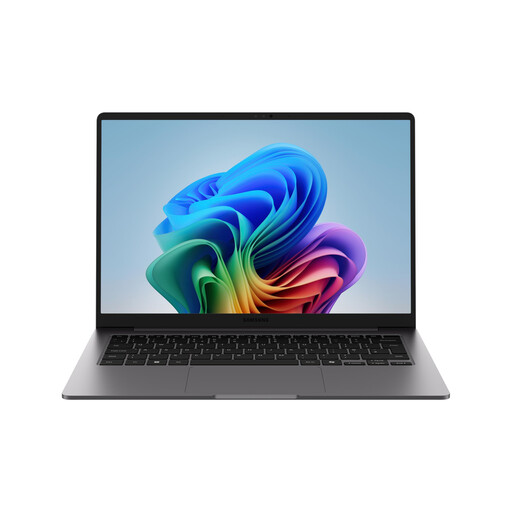 No image available
For local data work in a 14-inch format; check that the specific configuration suits your datasets and software.
Intel Core Ultra 7 355; 32 GB RAM; 512-GB SSD; Windows 11 Pro; Mocha Gray.
RJ45 is included in the product name. TPM, a fingerprint reader and BitLocker are listed as features.
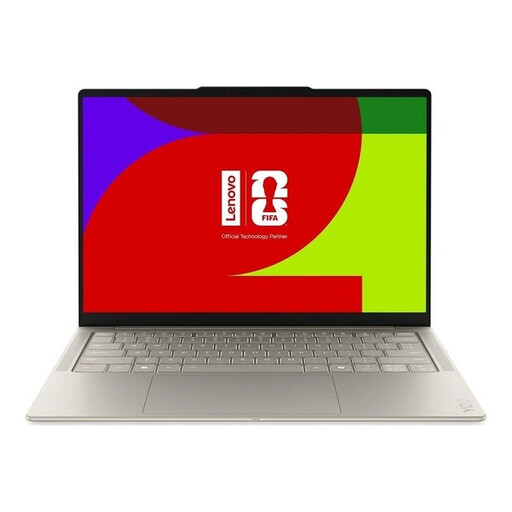 No image available
For frequent moves between workspaces; its listed weight and 14-inch screen size are worth considering when you’re on the go.
Intel Core Ultra 7 355; 16 GB RAM; 1-TB SSD; 14-inch 2.8K OLED display; 1.14 kg; Windows 11 Home.
 No image available
For working with tables on a larger screen and connecting a monitor, network and USB devices; check that the weight suits your travel needs.
AMD Ryzen 3 PRO 7335U; 16 GB RAM; 512-GB SSD; 16-inch WUXGA display; 1.80 kg; Windows 11 Pro Education.
Ports: USB4, USB 3.2, HDMI 2.1 and RJ45. TPM 2.0 is listed.
Not for every type of analysis. The pandas documentation highlights potential bottlenecks when data and processing steps exceed the available memory; DuckDB also documents how to process larger datasets without loading them all into RAM. The file format and queries you use are key.
Check that your monitor and dock connections match the equipment on site, and set up a screen lock. The Federal Office for Information Security recommends locking your device when you leave your workspace; encryption options are also worth considering for locally stored files.
No. If a dataset contains personal information and you process it, you need to comply with data protection law. The fact that it’s publicly available doesn’t automatically give you permission to use it. The rules that apply depend on the data and how you process it.
For consumer purchases from a business seller, EU guidance states that you have a legal guarantee of at least two years from the date you receive the goods. This is separate from any voluntary manufacturer’s warranty; the applicable terms and the seller are what matter in your specific case.
The Federal Network Agency says its market surveillance checks matters including the CE mark, product identification and manufacturer details. A product listing alone doesn’t prove that an individual device meets these requirements.