Choose a laptop based on the platform your desktop app needs to run and be tested on: for native Windows testing, consider a suitable Windows device; for native macOS testing, choose a Mac. If you plan to use virtual machines, also check the operating system edition, processor and virtualisation requirements, and the storage needed for the host and test systems. Without knowing the requirements of the specific app, it’s not possible to confirm that any particular model is suitable.
Which approach is right for you?
Test a Windows app directly
If you want to check how a desktop app behaves on a particular version of Windows, the operating system, processor architecture and, where relevant, drivers need to match your testing requirements. Microsoft describes how x86 and x64 apps are emulated on Windows on Arm; this is not a substitute for testing on the respective native architecture.
Run multiple test environments
For local virtual machines, consider the requirements of your chosen virtualisation software alongside the resources needed by both the host and guest systems. Microsoft Learn lists sufficient physical memory and storage as requirements for VM environments.
Test a macOS app on a Mac
If your target app is designed for macOS and you want to run it on a Mac or examine it using Xcode, a Mac is an option. Apple Developer explains how to run a macOS app on your Mac.
What should you look for when buying?
First, establish the target operating system and architecture. Then decide whether native testing is enough, or whether you’ll need additional virtual environments and must allow for their requirements and resource needs.
| Requirement |
What to check before buying |
Who is this important to? |
| Target platform and architecture |
Check the Windows or macOS version, processor architecture and required drivers against the app’s requirements. |
If I need to test an app on the platform it’s actually intended for, native performance matters more than an alternative environment. This is a priority for around 36% of consumers. |
| Virtual test environments |
For Hyper-V, check the Windows edition and processor requirements; allow for the memory and storage needed by the host and planned guest systems. |
If several test systems need to run at the same time, the laptop itself must have enough resources left over as well as supporting the guests. Around 29% of consumers prioritise having several local test environments. |
| Ports and workspace |
Check that the ports on the specific model work with your existing monitors and test devices; choose a display size and resolution that suit your workspace. |
If I want to connect monitors, network equipment and test devices directly at my home office desk, the right ports and features are essential. Around 21% of consumers prioritise this kind of workspace connectivity. |
| Future configuration options |
Check the RAM type and storage options for the exact model variant; don’t assume soldered memory is the same as a memory slot. |
If I might need more memory later for additional test environments, I want to know what options are available for the specific configuration. Around 14% of consumers place particular importance on future configuration options. |
Common buying mistakes
-
Mistaking emulation for a native architecture test
Windows on Arm can emulate x86 and x64 applications, but not their kernel-mode drivers. Running an app under emulation therefore doesn’t show how it behaves on the native target architecture.
Before choosing a device, decide which architecture and components you actually need to test.
If your chosen configuration doesn’t support the native testing you need, you may require a separate test environment or an additional device.
-
Allowing only for the memory needs of a single VM guest
When several virtual machines run at once, the host system needs resources too. Microsoft Learn lists sufficient physical memory for both the host and guests, as well as storage space for VM files, among the relevant requirements.
Make a note of which test systems will need to run at the same time, then check the memory and storage requirements for your specific configuration.
-
Assuming every variant includes the same accessories and storage options
What’s included and the type of RAM can vary between configurations. Dell notes that its listed Pro 14 offer doesn’t include a charger; the documented Lenovo ThinkPad T14s Gen 6 has soldered RAM.
Check the contents, ports and memory type against the full product number before choosing a variant.
For the Dell offer mentioned, you’ll need to allow for a separate charger. When choosing the Lenovo configuration mentioned, bear in mind that its RAM is soldered.
Key brands at a glance
Lenovo
ThinkPad business laptops may be worth considering for Windows testing; the specific features depend on the model variant.
- Lenovo lists 32 GB RAM and a 1 TB SSD for the ThinkPad T14s Gen 6 AMD, product number 21TB003MGE.
- This configuration has soldered RAM. This applies to this model, not to all ThinkPads.
HP
The EliteBook and ZBook ranges include Windows devices; for testing, it’s the specifications of the specific model that matter.
- HP lists Windows 11 Pro, 32 GB RAM and a 1 TB SSD for the EliteBook 840 G11, product number A26QBEA#ABD.
- These details apply to the product number listed and don’t confirm compatibility with an unspecified app.
ASUS
The ExpertBook B5 may be worth considering for Windows testing if ports and documented memory slots are important to you.
- The ASUS B5402CVA specifications page lists HDMI, RJ45, two Thunderbolt 4 ports and a DDR5 SO-DIMM slot, among other features.
- The page lists some components as alternatives. Check the specifications against the specific model on sale.
Dell
The Dell Pro 14 PC14250 is a business range of Windows laptops. Check the configuration against the specific offer if you’re setting up a permanent workspace.
- The documented base configuration lists Windows 11 Pro, 16 GB RAM and a 512 GB SSD.
- Dell explicitly states that this offer doesn’t include a charger; other configurations may differ.
Apple
A MacBook Pro may suit native testing of a macOS app, provided the operating system and configuration meet the app’s and your tools’ requirements.
- Apple Developer describes virtual machines for macOS- and Linux-based operating systems using the Virtualization framework.
- The framework isn’t a general substitute for native Windows testing; the right Mac configuration depends on the specific app.
Windows laptops at Joybuy
The Joybuy models below are Windows laptops for native Windows testing. If you plan to use virtual machines, also check that the Windows edition, processor requirements and resources available meet the needs of your test environments.
 No image available
Acer TravelMate TMP216-41-TCO, 16-inch
Windows 11 Pro Education is listed for native Windows testing; still, check the app’s requirements and processor architecture against your testing needs.
AMD Ryzen 3 PRO 7335U, 16 GB DDR5 (described as upgradeable), 512 GB SSD, 16-inch WUXGA IPS display, HDMI 2.1, USB4 and RJ-45.
View at Joybuy
 No image available
Lenovo ThinkBook 16 G9 AHP 21UT
Windows 11 Pro is listed for native Windows testing; for virtual machines, you’ll also need to consider the edition, hardware requirements and resource needs.
AMD Ryzen 5 220, 32 GB RAM, 1 TB NVMe SSD, 16-inch WUXGA IPS display, HDMI 2.1, Thunderbolt 4 and Gigabit Ethernet.
View at Joybuy
 No image available
Lenovo ThinkPad E16 Gen 3 21ST
Windows 11 Pro is listed as the operating system. For native testing, check the app’s requirements; for running multiple test environments, check the resources you’ll need.
AMD Ryzen 7 250, 32 GB RAM, 1 TB NVMe SSD, 16-inch WUXGA IPS anti-glare display, HDMI 2.1, USB4-C and RJ-45. The variant described is listed with two SO-DIMM slots and support for up to 64 GB RAM.
View at Joybuy
 No image available
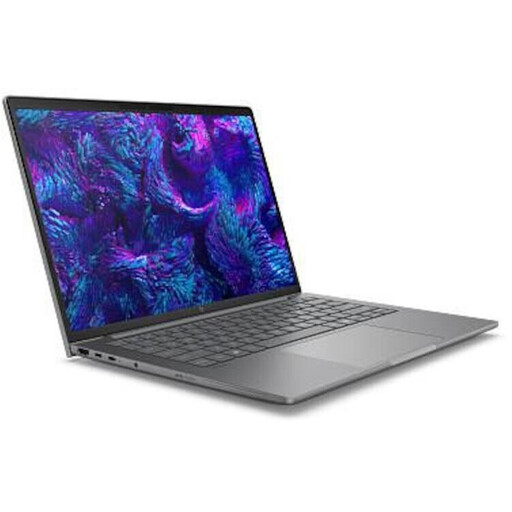
HP ZBook 8 G1i 14 Ultra 9 285H
Windows 11 Professional is listed and may be relevant for native Windows testing; you’ll need to check compatibility with the specific app separately.
64 GB RAM, 1 TB SSD, 14-inch WQXGA IPS anti-glare display, HDMI 2.1 and Thunderbolt 4.
View at Joybuy
 No image available
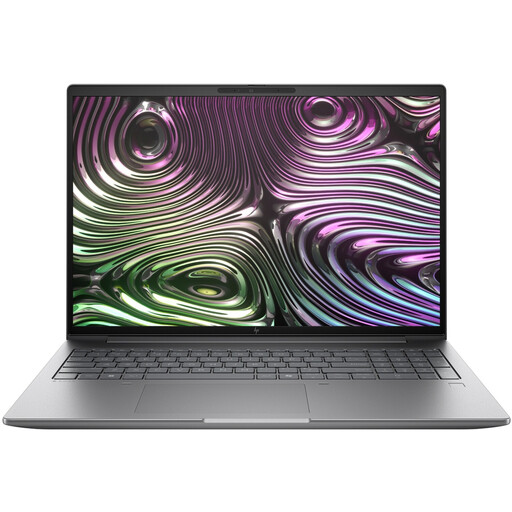
HP ZBook X G1i 16 Ultra 7 255H
Windows 11 Professional is listed for native Windows testing; check that the app version and architecture you need match your testing requirements.
32 GB DDR5, 1 TB SSD, 16-inch WUXGA anti-glare display, HDMI and Wi-Fi 6.
View at Joybuy
Frequently asked questions
Do I need Windows 11 Pro for desktop app testing?
No, not for native app testing alone. If you want to use Microsoft Client Hyper-V, Microsoft lists Windows Pro or Enterprise, along with other hardware requirements. You’ll need to check separately which version of Windows the app requires.
What should I check before running local VM tests on a laptop?
First, check the requirements of your chosen virtualisation software and allow for the resources needed by both the host and guest systems. Microsoft Learn lists sufficient physical memory and storage space for VM files; with Hyper-V, you’ll also need to check the Windows edition and processor requirements.
Can a Windows on Arm laptop natively test any app and its drivers?
No. Microsoft describes the emulation of x86 and x64 applications on Windows 11 on Arm, but not kernel-mode drivers. To test on the actual target architecture, you’ll need to consider the app’s components and how they need to run.
Can I test a macOS app on a Windows laptop?
For native testing of a macOS app, you should plan to use a Mac. Apple Developer explains how to run a macOS app on a Mac; Apple’s Virtualization framework supports macOS and Linux guests, but isn’t a general substitute for native Windows testing.


