For frequent writers at the library
If you write and revise longer outlines, consider the keyboard, screen and room for open reference materials together.


For writing an essay outline in the library, start by choosing a keyboard and screen that suit longer writing sessions and referring to sources. Then consider operating system compatibility, fan noise, weight and working away from a power socket. A compact MacBook Air, which Apple describes as fanless, could be a good fit if your software runs on macOS. 14-inch Windows laptops offer different configuration and port options, while 16-inch models take up more screen space but also need more room on your desk. A manufacturer’s battery-life figures are not a guarantee of how long your own workflow will run.
If you write and revise longer outlines, consider the keyboard, screen and room for open reference materials together.
In a quiet reading area, it’s worth checking the cooling system. Apple describes the MacBook Air M5 as fanless, though that says nothing about other potential sources of noise.
If you carry your laptop to the library and sometimes work without the charger, weight and battery life are important considerations. Manufacturer figures can’t predict how long your battery will actually last.
Start with typing comfort and software compatibility. Then weigh up noise, portability and the accessories you need for your library routine.
| What to consider | What to look for | Who should pay particular attention? |
|---|---|---|
| Writing and reading sources | Try out the keyboard and screen if possible. Consider the screen size and finish, as well as how much room you have at your library desk. | If I’m writing longer outlines and want to read sources alongside them, I need a suitable keyboard and a screen that’s easy to use. Around 31% of consumers put typing comfort first. |
| Operating noise | Check the cooling system on the specific model and, if available, look for noise measurements taken under a comparable workload. | If I’m working in a quiet reading area, I want to keep fan noise to a minimum. Around 25% of consumers prioritise a quiet cooling system. |
| Portability and battery | Compare the weight of the exact configuration, what’s included in the box and the battery-life figures for writing and research. | If I’m carrying my laptop and the accessories I need to the library, and don’t always have access to a power socket, portability matters to me. Around 25% of consumers prioritise weight and usable battery life on the go. |
| Features and accessories | Check that the operating system, keyboard layout, ports and included accessories are compatible with the software you need and the accessories you already own. | If I don’t want to pay for features I don’t need for writing, I check the exact configuration and any essential accessories first. Around 19% of consumers prioritise having the right features and avoiding unnecessary purchases. |
Manufacturer figures may be based on different usage scenarios, such as video streaming or wireless browsing. These aren’t necessarily comparable to a library session spent working with documents and doing research.
Where possible, compare similar usage scenarios and don’t plan your day around an “up to” figure alone.
Screen, processor and storage can vary between configurations within the same model range.
Compare the full model or part number with the details for the exact version on offer.
One specific MacBook Air listing clearly states that a charger is not included. Apple lists two Thunderbolt 4 ports for the 13-inch model.
Before buying, check what’s in the box, which ports you need and whether you already have compatible charging accessories.
Depending on the accessories you already own, you may also need a compatible charger or adapter.
The MacBook Air M5 is a compact macOS option if your writing and university software is compatible.
The ThinkPad E14 Gen 6 (AMD) is a configurable 14-inch Windows laptop for writing and other Windows tasks.
The Zenbook 14 OLED UX3405 is a lightweight Windows option with a 14-inch screen.
The Swift 16 AI OLED SF16-51T is a larger-screen Windows option if screen space matters more to you than a particularly compact design.
The OmniBook range includes Windows laptops in different sizes and designs, including Flip models.
This selection includes compact devices as well as 14- and 16-inch laptops for writing and reviewing sources. Check that the operating system, keyboard layout and exact configuration suit your workflow.
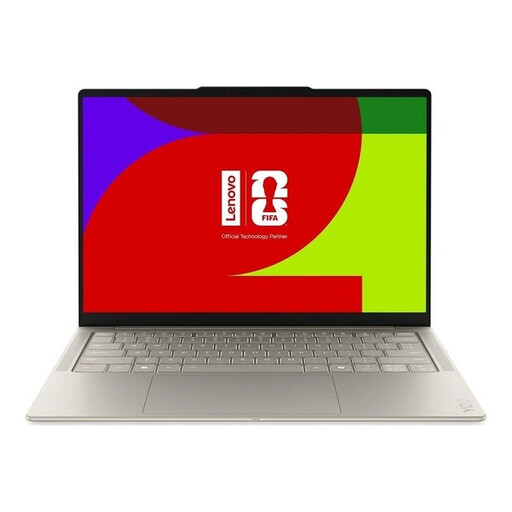 No image available
A 14-inch option if you want a German keyboard layout and an OLED screen for writing.
The description lists a backlit German-layout keyboard, 16 GB RAM, 1 TB SSD and a weight of 1.14 kg.
 No image available
A larger screen could be a good fit if you have room for more space for text and sources while writing.
The description lists a 16-inch WUXGA anti-glare screen, a backlit German-layout keyboard, 32 GB RAM, 1 TB SSD and a weight of 1.7 kg.
 No image available
This 16-inch laptop is worth considering if you want a larger screen and Windows for your writing.
The description lists a WUXGA anti-glare screen, Windows 11 Pro in German, a German QWERTZ keyboard, 32 GB RAM, 1 TB SSD and a weight of 1.71 kg.
 No image available
A compact macOS option if the software you need is compatible and you’re happy to use an English QWERTY keyboard.
The description lists a 13-inch screen and a weight of 1.23 kg. A power adapter isn’t included; charging requires a USB-C power supply of at least 20 W.
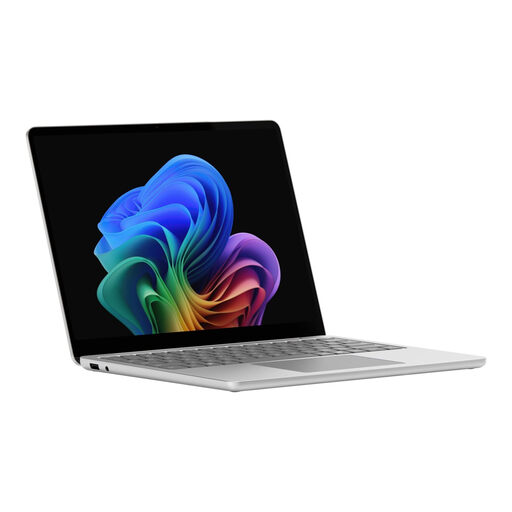 No image available
A Windows option if you’d like to include a touchscreen with stylus support in your search.
The description lists a 13-inch touchscreen with stylus support, Windows 11 Pro, 24 GB RAM and 1 TB SSD.
Not for this writing task alone. Start by comparing the keyboard, screen and the software you actually need to use. Other requirements for your studies may affect your choice.
Set up offline access while you’re connected to the internet, and make the files you need available offline in advance. For Google Docs, Google Docs Editors Help lists requirements including Chrome or Edge and an enabled offline extension. For Microsoft 365, the AutoSave feature described requires the file to be stored on OneDrive or SharePoint and an active subscription.
Check what’s included with the specific listing, which ports it has and what accessories you already own. A MacBook Air M5 listing on Joybuy is explicitly marked “No charger”.
No. The statutory guarantee is a legal right against the seller; a warranty is an additional, voluntary service provided under its own terms. The Verbraucherzentrale (German consumer advice centre) explains the difference. For ordinary purchases, Section 438 of the German Civil Code (BGB) generally sets a two-year limitation period from delivery for the defect claims specified there.
For a typical distance contract, you generally have a 14-day right to cancel, starting from delivery. The European Union’s consumer information lists exceptions and notes that, in certain circumstances, the buyer may have to pay return costs. This is different from a retailer’s longer voluntary returns period.