Choose a laptop to suit your layout software and workspace. A larger display can show pages and panels side by side, but it takes up more room on a small desk. If you’re assessing images for print, also factor in colour management and a possible proof: a stated display colour gamut alone doesn’t guarantee a suitable print result. Adobe recommends 16 GB of RAM for the documented Windows version of InDesign; that isn’t a general requirement for every catalogue programme.
Which specifications suit your needs?
Catalogue designers
If you’re arranging multiple pages and images, make sure the page and panels are easy to work with on your chosen screen. Match the RAM to the software you actually use; Adobe recommends 16 GB of RAM for the documented Windows version of InDesign.
Image editors preparing for print
If you’re assessing artwork for a printed edition, check the display specifications separately from colour management. Adobe recommends following your printer’s requirements and, where needed, arranging a proof for the intended output conditions.
Students with a small desk
If your laptop and study materials have to share limited space, and you sometimes take your device with you, you’ll need to balance screen size, ports and portability. Check the ports on the specific model to make sure they’ll work with your monitor and existing devices.
What should you consider when buying?
Start with your layout software and the workspace you need. Then factor in your print workflow, overall costs and the space available on your desk.
Compact macOS laptop
A good fit if: You use macOS-compatible software, take your laptop with you often and work at a small desk. The documented 13-inch MacBook Air with M5 has a 13.6-inch display and two Thunderbolt 4 ports; Apple Support lists P3 support for the display.
The trade-off: The built-in screen is smaller than on larger devices. P3 alone doesn’t guarantee a match with the final print; if you have USB-A devices, check which connection or adapter you’ll need.
Compact Windows laptop with OLED
A good fit if: You need Windows and prefer a 14-inch screen for your small desk. The documented German ASUS Zenbook 14 OLED UX3405 configuration lists 16 GB of RAM, 1920 × 1200 pixels, USB-A, Thunderbolt 4 and HDMI.
The trade-off: The documented German configuration is marked as unavailable. ASUS notes that specifications vary across the range, so compare the full model identifier and don’t assume other UX3405 variants have the same configuration.
More workspace and ports
A good fit if: You’re planning to use several layout windows or an external display. Lenovo’s documentation for the Yoga Pro 7 14ASP10 range lists HDMI and USB-C with DisplayPort support, among other connections.
The trade-off: Range-wide specifications don’t tell you which features are included in a specific version sold in Germany. Lenovo notes that configurations vary by region, so check the exact model before buying.
| Purchase priority |
What to check before buying |
Who is this important to? |
| Layout space and software |
Check the display size, resolution, operating system and RAM against the specific layout software you use. Adobe recommends 16 GB of RAM for the documented Windows version of InDesign. |
If I regularly work on pages and panels side by side, I need a practical layout space and compatible software. That’s why around 36% of consumers put layout work and software requirements first. |
| Images and print preparation |
Check the specific display configuration and ask the printer about profiles, PDF standards and whether a proof is needed. Adobe treats colour management and print preparation as separate steps. |
If I’m assessing artwork for print, I need to plan for the screen and output process together. That’s why around 29% of consumers prioritise image assessment and the print workflow. |
| Overall costs and what’s included |
Factor in the software and accessories you need; check what’s included and which ports are available on the specific configuration, especially for your monitor and existing devices. |
If my budget also needs to cover software, accessories or data backup, I want to know what I actually need first. That’s why around 21% of consumers focus primarily on overall costs. |
| Space, portability and ports |
Measure the desk space available and check the ports on the exact model against your monitor, storage devices and existing equipment. |
If I want to fit my laptop and study materials on a small desk and occasionally take the device with me, I need a good balance between screen space and the room it takes up. That’s why around 14% of consumers put these requirements first. |
Common misconceptions
-
Assuming a display colour gamut guarantees a print proof
A stated colour gamut alone doesn’t tell you how images will look under the conditions of a specific print run.
Ask your printer about their requirements and plan for colour management and, if needed, a proof independently of your laptop choice.
Colour management and proofing can involve extra work.
-
Assuming every model in a range has the same specifications
Display, operating system and RAM can vary between configurations. Information about one UX3405 variant won’t necessarily apply to another.
Compare the full model identifier with the details in the specific listing.
-
Overlooking the power adapter and your existing peripherals
A MacBook Air variant described by Joybuy didn’t include a power adapter. Your existing devices may also need a compatible port or adapter.
Check what’s included and which ports are available on the exact variant you plan to buy.
If there’s no power adapter included, you’ll need to budget for one separately.
Key brands at a glance
Apple
The 13-inch MacBook Air with M5 is a compact macOS option, provided the software you need is compatible.
- Apple Support lists 16 GB of unified memory, a 13.6-inch display with P3 support and two Thunderbolt 4 ports for this model.
- P3 support doesn’t guarantee accurate print colours. USB-A isn’t included in the listed ports.
ASUS
The Zenbook 14 OLED UX3405 is a compact Windows option; specifications depend on the configuration.
- The documented German ASUS configuration lists 16 GB of RAM, a 1920 × 1200 OLED display, USB-A, Thunderbolt 4 and HDMI.
- This configuration is marked as unavailable. Details for other UX3405 variants may not apply to this one.
Lenovo
The Yoga Pro 7 14ASP10 is a useful point of comparison for display and port options for layout work.
- Lenovo’s range specifications list HDMI and USB-C with DisplayPort support.
- According to Lenovo, the RAM is soldered in place. Range specifications don’t determine the features of a specific version sold in Germany.
Dell
The Pro 14 Plus PB14250 is a Windows business option to compare with your existing work setup.
- The documented German configuration lists Windows 11 Pro, 16 GB of RAM and a 512 GB SSD.
- These specifications don’t demonstrate that the display is particularly suitable for colour-critical print work.
Related products at Joybuy
This selection includes compact macOS and Windows laptops, as well as devices with larger displays for layout work in a student room.
 No image available
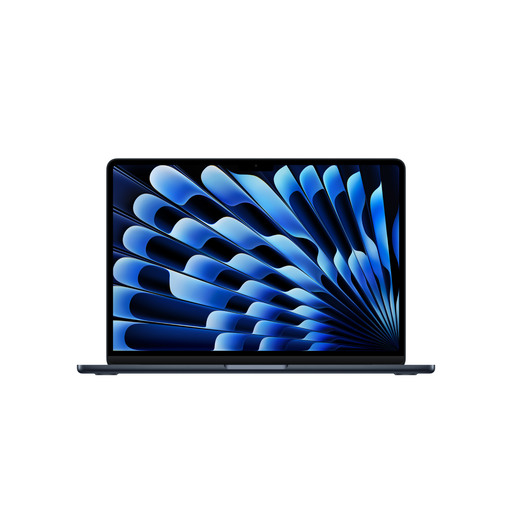
Apple MacBook Air 15-inch (M5, 2026), 10-core CPU and 10-core GPU, 16 GB, 512 GB SSD, Midnight, German QWERTZ keyboard
For layout work when a larger built-in screen matters more to you than having the smallest possible device.
15 inches; 16 GB; 512 GB SSD; Midnight. The variant details state that no power adapter is included, so you’ll need to arrange one separately.
View at Joybuy
 No image available
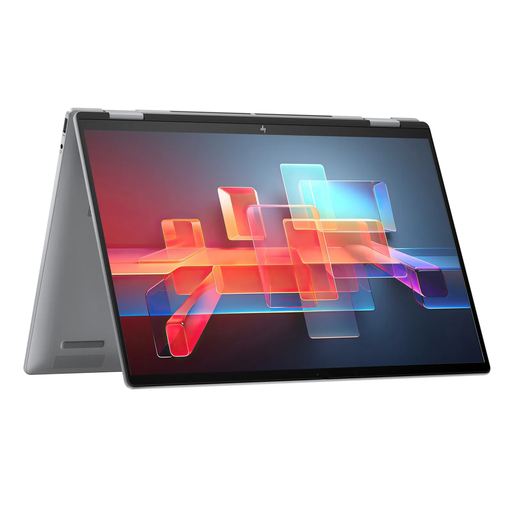
HP ENVY x360 16-ac0473ng, Intel Core Ultra 7 155U, 16 GB RAM, 512 GB SSD, Windows 11
For layout work if you prefer a 16-inch Windows convertible with a touchscreen.
16 inches; WUXGA IPS display; 16 GB RAM; 512 GB SSD; USB-C Power Delivery.
View at Joybuy
 No image available
HP OmniBook Ultra Flip 14-fh0670ng, Intel Core Ultra 7 258V, 32 GB RAM, 1 TB SSD, 2.8K OLED, Windows 11 Home
For a limited workspace if you’re looking for a 14-inch Windows convertible with an OLED touchscreen.
14 inches; 2.8K OLED; 32 GB RAM; 1 TB SSD. The stated colour gamut doesn’t replace consultation with your printer or a proof.
View at Joybuy
 No image available
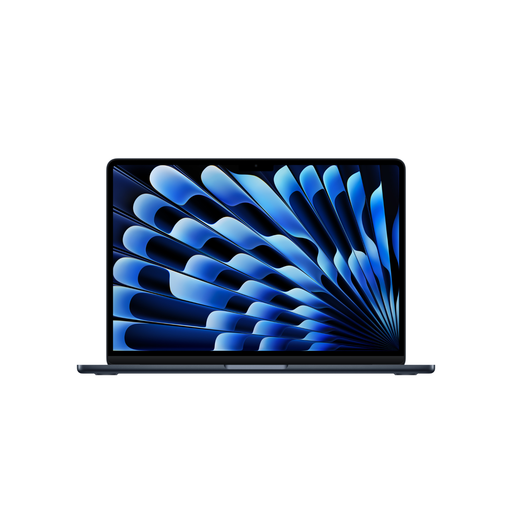
Apple MacBook Air 13-inch (M5, 2026), 10-core CPU and 10-core GPU, 16 GB, 1 TB SSD, Midnight, German QWERTZ keyboard
For macOS-compatible workflows when a compact format is important for a small desk.
13 inches; 16 GB; 1 TB SSD. The variant details state that no power adapter is included, so you’ll need to arrange one separately.
View at Joybuy
 No image available
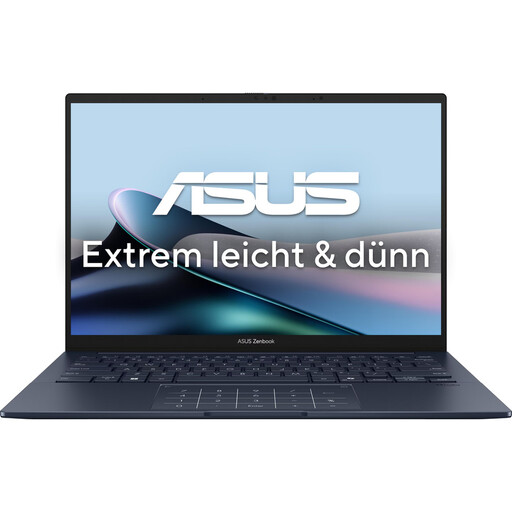
ASUS Zenbook 14 UX3405CA-QD1303W, Core U7 255H, Intel ARC, 16 GB RAM, 1 TB SSD, Windows 11
For a small workspace if you’re looking for a 14-inch Windows laptop with an OLED touchscreen.
14 inches; WUXGA OLED; 16 GB RAM; 1 TB SSD.
View at Joybuy
Frequently asked questions
Is 16 GB of RAM required for every exhibition catalogue?
No. Adobe lists 8 GB of RAM as the minimum for the documented Windows version of InDesign and recommends 16 GB. Check the requirements for the version of the software you actually use.
Is a display with a wide colour gamut enough for accurate artwork in print?
No. A colour gamut alone doesn’t guarantee a suitable print result. Discuss the output conditions with your printer and use suitable profiles or a proof if accurate colour matching matters; Adobe treats colour management and print preparation as separate steps.
How can I back up my catalogue files while I’m working?
Make separate backups regularly. Germany’s Federal Office for Information Security describes backups as protection against device faults, accidental deletion and device theft.
What are my rights when shopping online in Germany?
Consumers generally have a right to cancel a distance purchase; the Verbraucherzentrale says the usual period is 14 days from receipt of the goods, subject to statutory exceptions. Statutory claims against the seller for faulty goods are separate from a voluntary manufacturer’s guarantee. According to § 438 BGB, the standard limitation period for claims relating to goods is two years from delivery.


