Photographers who move between workspaces
You use a shared desk and want to connect the monitor, power supply and peripherals without having to try different setups each time.


When merging landscape exposure brackets at a shared desk, choose a laptop that suits the way you actually review your images. A good built-in display matters if you often work on the move; at a shared monitor, the right video connections and, where needed, power supply are key. For large files and several image-editing programmes running at once, compare the RAM and SSD capacity of the specific configurations too. Adobe distinguishes HDR photo merging from HDR editing or output, so an HDR-capable laptop display isn’t essential just for merging.
You use a shared desk and want to connect the monitor, power supply and peripherals without having to try different setups each time.
You review exposure brackets without the shared monitor too, and want to check the display option and whether it can be profiled to suit your workflow.
You work with several images or use additional image-editing programmes. In that case, RAM and storage capacity can influence which configuration is right for you.
| What matters | What to check before buying | Who it matters most to |
|---|---|---|
| Connecting at a shared desk | Check the video output and monitor input. If you’ll charge through a dock or monitor, compare the power supply too. | If I want to use the existing monitor without any hassle, I check how the laptop, monitor and, where relevant, dock connect. Around 29% of consumers put connecting at a shared workspace first. |
| Reviewing images | Check the display option and profiling support. Treat HDR display as a separate consideration only if it’s part of your workflow. | If I often work without an external monitor, I want to be able to review images directly on the laptop. Around 29% of consumers say image review is their top priority. |
| Performance with several programmes | Match the RAM, processor and graphics of the specific configuration to the programmes you use. | For large image projects or several programmes running at once, I look for the right specifications rather than simply choosing the highest configuration available. Around 21% of consumers put editing performance first. |
| Space for image files | Consider SSD capacity and available space, as well as keeping separate backups of your original photos and catalogues. | If I manage lots of images locally, I want enough room for working files and to plan for backups too. Around 14% of consumers put file storage and organisation first. |
| Taking it between workspaces | Compare the dimensions and weight of the specific model with how often you move between locations. | If I regularly take my laptop to other workspaces, I want to weigh up portability against screen size. Around 7% of consumers consider portability their top priority. |
Merging an exposure bracket and editing or exporting an image for HDR viewing are separate steps.
Consider whether you’ll also be editing or exporting HDR images for viewing on a suitable display.
Video and power connections must each be compatible with the laptop, monitor and dock. The connector shape alone doesn’t tell you which features are supported.
Check the video connection, cable or dock, and its charging power for each device involved.
A voluntary warranty has its own terms and doesn’t replace your statutory rights against the seller, as the Verbraucherzentrale explains.
Keep your proof of purchase and warranty terms separate, and check which right applies if something goes wrong.
MacBook Pro configurations for anyone considering macOS and a built-in XDR display.
The Galaxy Book6 Ultra is a Windows option with a Dynamic AMOLED 2X display.
The Yoga Pro 9i Gen 11 is aimed at buyers comparing larger displays and performance-focused configurations.
The Zenbook S 16 is a 16-inch Windows option with a high-resolution OLED touchscreen.
The XPS 16 is a configurable Windows option, so it’s worth checking the specifications and connection setup separately.
This selection includes laptops for use with a shared monitor, as well as models where the display and specifications are geared towards editing images on the laptop itself.
 Image unavailable
An option if you want to connect an external monitor at a shared desk while working with several image files.
16-inch WUXGA IPS display, 32 GB RAM, 512 GB SSD, HDMI 2.1 and Thunderbolt 4; listed weight: 1.7 kg.
 Image unavailable
This model is worth considering if you often review images directly on your laptop and work on large projects.
16-inch Tandem OLED display with 3840 × 2400 pixels, 128 GB RAM, 2 TB SSD, and HDMI and DisplayPort outputs; listed with a 360° Flip design and a weight of 1.9 kg.
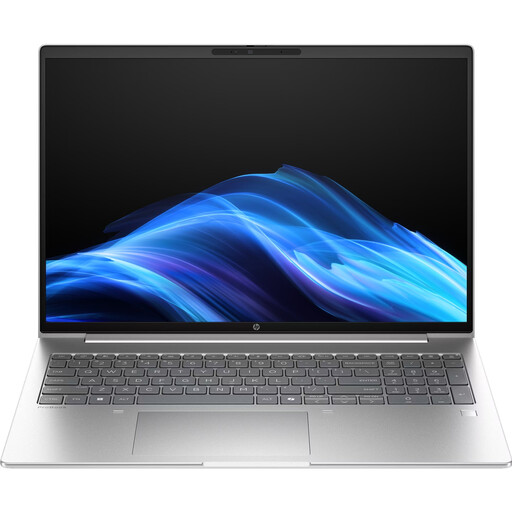 Image unavailable
A possible choice for a shared monitor setup if you want to check that the listed connections and 16 GB of RAM suit your workflow.
16-inch WUXGA IPS display, HDMI 2.1, USB-C, 16 GB DDR5 RAM and 512 GB SSD; listed weight: 1.75 kg.
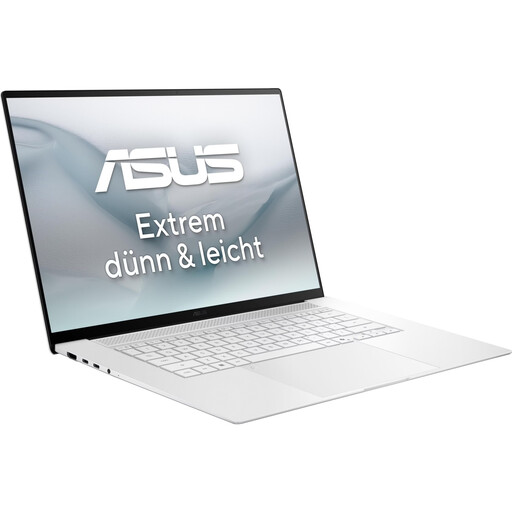 Image unavailable
This model is worth comparing if you want to weigh up image review on the built-in display against storage capacity and connectivity.
16-inch OLED display with 2880 × 1800 pixels, 32 GB RAM, 1 TB SSD, HDMI 2.1 and USB-C 4; the product title states that a power adapter isn’t included.
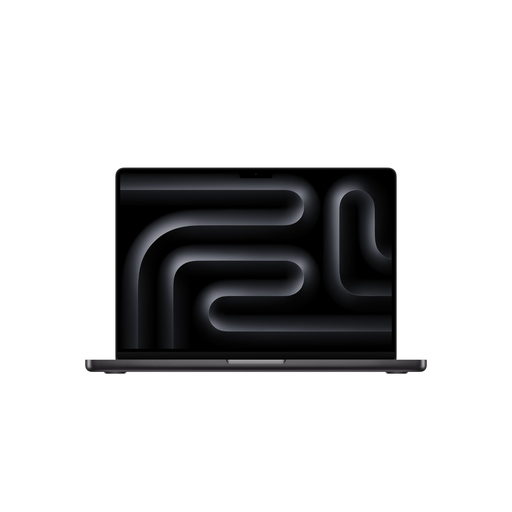 Image unavailable
An option if you want to compare a more compact built-in display with the listed storage and connectivity.
14.2-inch Liquid Retina XDR display, 24 GB RAM, 2 TB SSD, plus HDMI and Thunderbolt; listed weight: 1.60 kg. The product description states that a power adapter isn’t included.
No. Adobe treats HDR photo merging and editing or exporting for HDR viewing as separate steps. If you specifically want to review the result on an HDR display or export it as HDR, check that requirement separately.
Compare the video connections on the laptop and monitor, along with any cables or adapters you’ll need. If a USB-C monitor or dock is also meant to charge the laptop, compare its power delivery with the requirements of that specific laptop. The connector shape alone doesn’t tell you which features are compatible.
Make a specific plan for backing up both your catalogue and original photos. Adobe describes catalogue backup as a separate process, so check which image files your other backup actually includes.
For consumer purchases, the seller is generally responsible for statutory remedies for faulty goods; an additional manufacturer’s warranty doesn’t replace these rights. Distance purchases generally come with a 14-day right to cancel, subject to the relevant legal requirements and exceptions. The Verbraucherzentrale and the European Union’s Your Europe service explain that remedies for faulty goods, warranties and cancellation rights are separate rights.
Make sure the specific version of the device and the responsible supplier are clearly identified. The Bundesnetzagentur lists CE marking as one aspect of its market surveillance; a CE mark alone isn’t an independent performance test.