What should you look for when buying a laptop?
First, check that your genealogy software is compatible. Then decide whether portability or a larger view of documents at the library table matters more to you.
| Purchase priority |
What to check |
Who it matters most to |
| Portability and working away from a socket |
Compare the weight, dimensions and connections of the specific variant. Apple lists up to 15 hours of wireless web browsing for the 13-inch MacBook Air; this is not a battery life estimate for your own research. |
If I often travel to the library, I want a laptop that’s easy to carry and can last through my session without a socket if possible. Consumers who prioritise portability make up around 33% of the selection group. |
| Readability and room for digitised records and notes |
Check the screen size, resolution and whether the finish is matte or glossy on the complete variant. Acer lists a 15.6-inch IPS display with a resolution of 1920 × 1080 pixels for the Aspire Go 15 AG15-72P-51GW. |
If I keep digitised records open alongside my notes for a long time, an easy-to-read document view matters more to me than a particularly small device. Consumers who prioritise readability make up around 25% of the selection group. |
| Genealogy software compatibility |
Compare the programme’s requirements with your existing data and export formats. The Gramps Project lists Windows, macOS and Linux; the family history package from the Association for Computer Genealogy (e. V.) is listed for Windows versions. |
If I’ve already settled on my genealogy software, the operating system needs to be compatible before I choose a model. Consumers who prioritise software compatibility make up around 25% of the selection group. |
| Local storage, accessories and data handling |
Check your storage needs and connections against your existing collection, and plan how to back up your data separately. The Verbraucherzentrale advises caution when using public Wi-Fi networks. |
If I store my own scans and notes locally and use existing storage devices, I need the right storage and connections, as well as a backup plan. Consumers who prioritise storage and accessories make up around 17% of the selection group. |
Brands and model ranges to consider
The information below relates to specific configurations or ranges, not every model from a particular brand.
Lenovo
According to Lenovo Germany, the ThinkPad E14 Gen 7 configuration 21SX003SGE combines a matte 14-inch display with Windows 11 Pro and a German keyboard.
- Lenovo lists 32 GB RAM and a 1 TB SSD for this specific configuration.
- The specifications and display details don’t automatically apply to other E14 variants.
Acer
The Aspire Go 15 AG15-72P-51GW is a Windows option with a larger matte display, according to Acer Germany for this configuration.
- Acer lists a 15.6-inch IPS display with a resolution of 1920 × 1080 pixels, 16 GB RAM and a 512 GB SSD.
- Display specifications alone don’t tell you whether a particular person will find historical handwriting easy to read.
Apple
The 13-inch MacBook Air with M5 is a compact macOS option, provided the genealogy software you need supports macOS.
- Apple Support (DE) lists a 13.6-inch display and two Thunderbolt 4 or USB-C connections for the model.
- Apple’s claim of up to 15 hours of wireless web browsing isn’t an independent battery test for family history research. USB-A accessories may need an adapter.
ASUS
According to ASUS Germany, the Vivobook 16 X1607 range includes models with a larger display. Check the full variant before choosing one.
- ASUS lists both Intel and Snapdragon configurations in the range.
- Processor platform and specifications vary between variants. Check your software requirements and the connections on the model you want.
HP
According to HP Germany, the HP OmniBook 3 range includes 14- and 16-inch configurations, offering a useful comparison of portability and screen size.
- The different screen sizes let you compare a more compact format with a larger viewing area.
- Range-level information about processors, storage and display options isn’t a guarantee of the specifications on a particular configuration.
Joybuy products for research in the library
This selection includes 14- and 16-inch laptops so you can compare portability with a larger working area. Before buying, check that the specific variant is compatible with your genealogy software and accessories.
 No image available
Acer TravelMate TMP216-41-TCO
The 16-inch format may suit longer document viewing at the library table. Compare it with the space you have and how much you need to carry.
16-inch WUXGA IPS display, 16 GB DDR5, 512 GB SSD, AMD Ryzen 3 PRO 7335U, AMD Radeon 660M and Windows 11 Pro Education; stated weight: 1.80 kg.
Connections listed include USB4, USB-A, HDMI and RJ-45.
View on Joybuy
 No image available
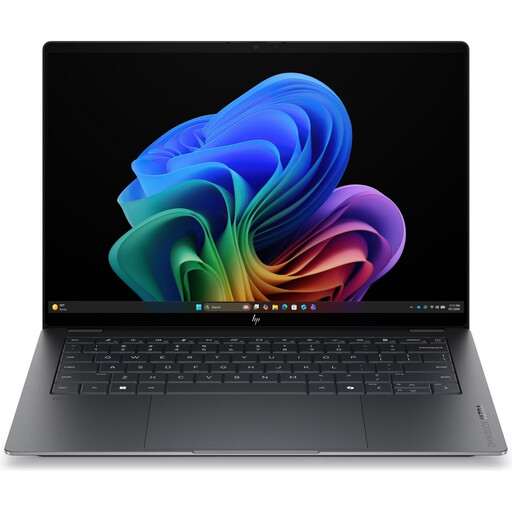
HP OmniBook Ultra 14-kd0072ngx
Its stated weight of 1.27 kg and 14-inch format are useful points of comparison if you often carry your laptop around.
14-inch 3K OLED touchscreen, Intel Core Ultra 7 356H, 16 GB RAM, 1 TB SSD and Windows 11 Home; stated weight: 1.27 kg.
The description lists three Thunderbolt 4 connections and a 70 Wh battery.
View on Joybuy
 No image available
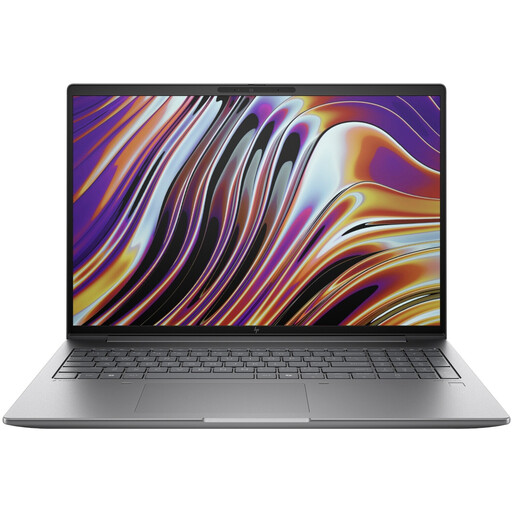
HP ZBook Power 16
The matte 16-inch display may be useful for viewing documents for longer periods. Factor its stated weight of 2.12 kg into your decision about portability.
AMD Ryzen 7 8845HS, 32 GB RAM, 1 TB SSD and Windows 11 Professional; matte, anti-glare 16-inch WUXGA display; stated weight: 2.12 kg.
Connections listed include USB 4.0, USB 3.2, HDMI and Gigabit Ethernet.
View on Joybuy
 No image available
Lenovo ThinkBook 16 Gen 9
At a stated weight of 1.7 kg, this 16-inch format can be compared with your own carrying needs.
Intel Core Ultra 5 325, 32 GB DDR5, 512 GB PCIe SSD and Windows 11 Pro; matte 16-inch WUXGA display; stated weight: 1.7 kg.
Connections listed include USB 4.0, USB 3.2, HDMI 2.1, an SD card reader and Gigabit Ethernet.
View on Joybuy
 No image available
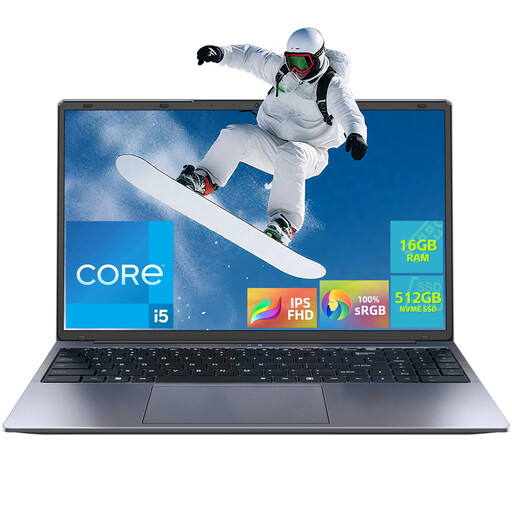
16-inch laptop with FHD display, Intel Core i5-8210Y
The 16-inch display offers a size comparison for longer research sessions at the library table. Check whether this specific configuration is compatible with your software.
FHD display, Intel Core i5-8210Y with 2 cores and 4 threads and speeds of up to 3.6 GHz, 16 GB RAM, 512 GB SSD and Windows 11 Pro.
The product title also lists an RJ-45 connection.
View on Joybuy
Frequently asked questions
Do I need a Windows laptop to run Gramps?
No. The Gramps Project lists Windows, macOS and Linux as supported operating systems. If you’ve settled on a different programme, check its own requirements. The family history package from the Association for Computer Genealogy (e. V.) is listed for Windows versions.
What should I do with an existing family tree when setting up?
Back up your data before changing programmes, and try exporting and importing a copy first. The family history package from the Association for Computer Genealogy (e. V.) describes a GEDCOM interface; the Gramps documentation also recommends backing up your family trees.
Can I safely use the library’s Wi-Fi for my research data?
There’s no blanket answer. The Verbraucherzentrale advises caution when using public Wi-Fi networks. Check the terms of the library’s network and take appropriate steps to protect your personal accounts and research data.
Can I copy archival documents using a laptop or camera?
That depends on the institution and the collection. The Bundesarchiv’s reading room regulations prohibit photographing archival material in its reading rooms in Bayreuth, Berlin-Tegel and Ludwigsburg. Check the rules that apply at other libraries and archives; this regulation doesn’t amount to a nationwide ban.
Who should I contact if a laptop I bought as a consumer is faulty?
The seller is responsible for the statutory guarantee, not necessarily the manufacturer. Under the EU consumer rules explained by Your Europe, you’re entitled to a minimum two-year guarantee from the date you receive the goods. Any additional manufacturer’s warranty doesn’t replace this right.


