If you mainly write longer pieces, prioritise the keyboard and an easy-to-read display when choosing a laptop. If you often move between workspaces, weight and power supply become more important. Before buying, check that your note-taking software and the peripherals at your workspace will work with the specific configuration, and consider whether you need to protect confidential notes from prying eyes. Manufacturers’ claims about battery life and features apply to specific configurations and conditions, not necessarily to your working day.
Which laptop is right for you?
For those who write a lot at a desk
If you write longer field notes, weigh up the keyboard, text display and working posture before considering extra features. Input devices and screen position also matter when working at a screen for extended periods away from the office, as the DGUV explains in its review of mobile screen work.
For people who move between workspaces
If you take your laptop between workspaces, consider its weight and power supply, as well as the connections you’ll need for monitors, printers and other equipment at each location. The specific configuration will determine which connections are available.
For people writing confidential notes
If someone else at a shared workspace might be able to see your screen, screen position and a reliable screen lock are important. Any additional requirements will depend on the notes and, where applicable, your organisation’s rules. The BSI covers how to protect information when working on the move.
What to look for when buying
When choosing a laptop for taking field notes in a shared workspace, focus on typing comfort, portability, compatibility and privacy.
| Consideration |
What to check before buying |
Who it matters most to |
| Typing comfort |
Keyboard layout and typing feel; display size and readability in your intended workspace. |
If I’m writing longer notes, I want to be able to focus on the keyboard and easy-to-read text. Around 29% of consumers put typing comfort first. |
| Portability and power supply |
Weight of the specific version, whether a power adapter is included and the conditions used for battery tests. |
If I often carry my laptop between workspaces, I look at its weight and whether I can work without a power socket. Around 21% of consumers prioritise portability and power supply. |
| Software and connections |
Required programmes and drivers; connections for a monitor, dock, printer and charging. |
If I have to use particular note-taking software or shared peripherals, I want to check compatibility before buying. Around 29% of consumers put software and connections first. |
| Privacy |
Type of notes and applicable workplace rules; screen position and lock function. |
If my notes are confidential, I want to stop others at the shared table from reading them. Around 21% of consumers prioritise protection from prying eyes. |
Avoiding buying pitfalls
-
Assuming advertised battery life is guaranteed writing time
Claims such as ‘up to’ don’t necessarily reflect how long the laptop will last during your working day. Lenovo notes that actual battery life is affected by factors including configuration, software and display brightness.
Only compare battery life claims alongside their respective test conditions, and consider how you’ll actually use the laptop.
-
Choosing a slim laptop without checking its connections and charging accessories
Connections and what’s included in the box vary by model and version. Depending on the configuration, you may need adapters or a compatible power supply.
Make a note of the connections available at your shared workspace and check what’s included with the exact version you’re considering.
-
Assuming similar model names mean identical specifications
A similar name doesn’t automatically identify the same version for sale. Specific features of the ThinkPad X9-15 are documented under a particular model number; a general recommendation may not refer to that exact configuration.
Compare the full model number, as well as the display, storage, keyboard layout and any other features that matter to you.
-
Confusing a voluntary warranty with your statutory rights
Your statutory rights are against the seller; a warranty has its own terms and conditions.
Read the warranty terms separately from your statutory rights, and keep your proof of purchase.
Key brands at a glance
Lenovo
The ThinkPad T14 Gen 6 (Intel) is a documented example of a 14-inch Windows work laptop. The specifications refer to specific product lines and configurations, not all ThinkPads across the board.
- Lenovo lists USB-A, USB-C/Thunderbolt, HDMI and Ethernet among the T14’s connections. Check which connections are actually available on the configuration you want.
- A list of connections won’t tell you whether the keyboard feels comfortable for longer writing sessions, so check the keyboard layout and typing feel separately.
Apple
The 13-inch MacBook Air with M5 is worth considering if the software you need and the equipment at your workspace are compatible with macOS.
- Apple lists the weight of this model as 1,23 kg and its battery life as up to 18 hours, and describes it as fanless. Battery life is a manufacturer’s claim, not a measurement based on your own writing routine.
- Check separately which connections and adapters you need, and what’s included with the version you choose.
Dell
The Dell Pro 14 PC14250 is a Windows business option. Check the specific configuration against your own working requirements.
- For one configuration shown, Dell lists Windows 11 Pro, 16 GB RAM and a 512-GB SSD.
- Dell states that a power adapter isn’t included with one version on offer. This doesn’t necessarily apply to every configuration.
HP
The EliteBook 8 G1i 14 is a Windows business alternative for people who move between workspaces. Its specifications depend on the version.
- For model AD3G8ET#ABD, HP lists Windows 11 Pro, a 14-inch WUXGA display, 16 GB RAM and a 512-GB SSD.
- HP’s claims about collaboration and battery life are manufacturer statements, not independent measurements for writing field notes.
Joybuy laptops for field notes
The Joybuy laptops below are Windows notebooks for writing in a shared workspace. They differ in areas including display format, connections and platform. Check that they’re compatible with your software and peripherals, and check what’s included with the specific version.
 No image available
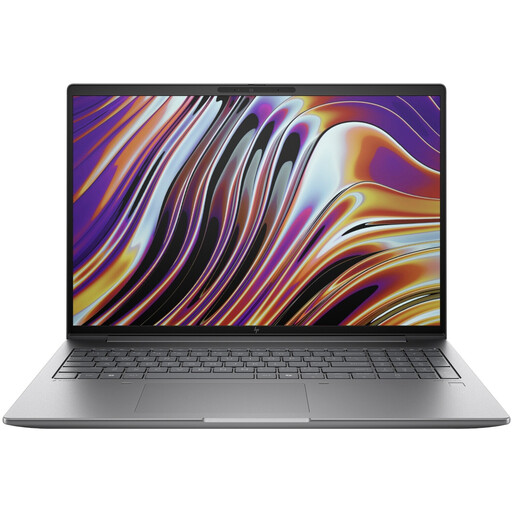
HP ZBook Power 16 Ryzen 7 8845HS, 32 GB RAM, 1 TB SSD
For longer notes, the matte 16-inch WUXGA display and German keyboard layout are useful features to consider.
Windows 11 Pro; USB 4.0, HDMI and Gigabit Ethernet; 83-Wh battery.
View at Joybuy
 No image available
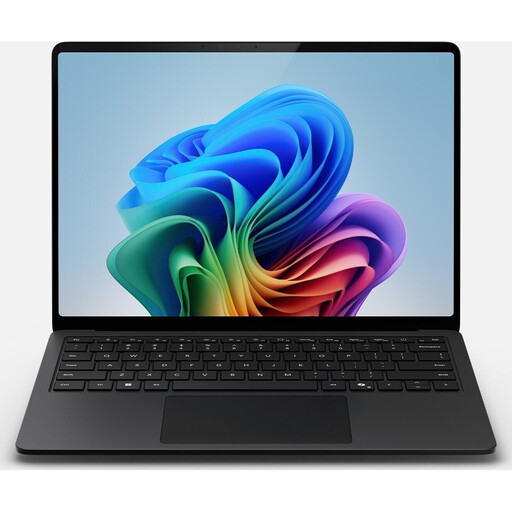
Microsoft Surface Laptop 7 Snapdragon X Plus, 16 GB RAM, 512 GB SSD, Black
The 13,8-inch 3:2 touchscreen is worth considering if you want to view notes and reference material on screen.
Windows 11 Professional; USB 4.0; 1,34 kg. The stated battery life of up to 13 hours is a manufacturer’s figure.
View at Joybuy
 No image available
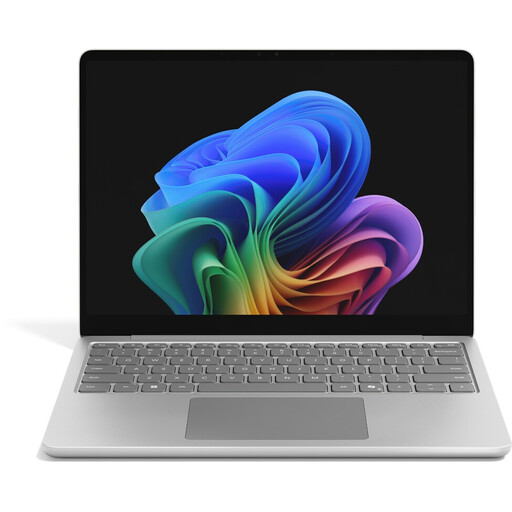
Microsoft Surface Laptop 8 Core Ultra 5, 24 GB RAM, 512 GB SSD, Platinum
The 13-inch 3:2 display and backlit keyboard are features to consider when choosing a laptop for field notes.
24 GB RAM; 512 GB SSD; USB 3.2 connections.
View at Joybuy
 No image available
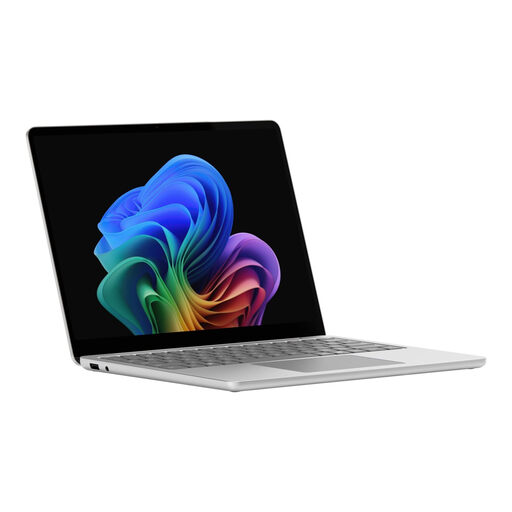
Microsoft Surface Laptop 8 Core Ultra 5, 24 GB RAM, 1 TB SSD, Platinum
If you want to view notes and reference material on screen, the stated 13-inch 3:2 touchscreen is a useful feature to consider.
Windows 11 Pro; 24 GB RAM; 1 TB SSD.
View at Joybuy
 No image available
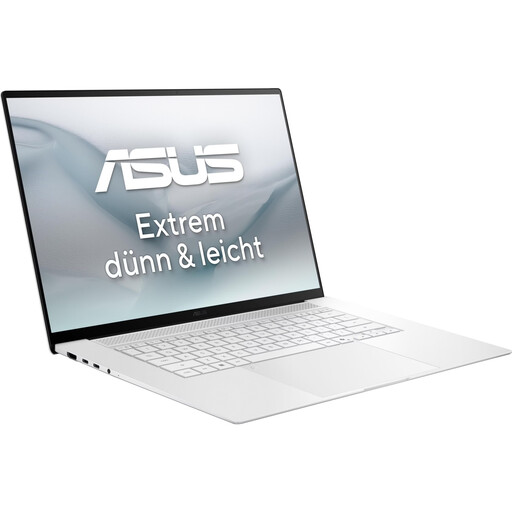
ASUS Zenbook S16 UM5606GA-SS335W, Ryzen AI 9 465, 32 GB RAM, 1 TB SSD
The 16-inch WQXGA OLED display and German backlit keyboard are features to consider for writing and reading field notes.
Windows 11 Home; USB-C 4 and HDMI. The product information states that no power adapter is included; you’ll need a compatible one for charging.
View at Joybuy
Frequently asked questions
Does a laptop for field notes have to run Windows?
No. What matters is whether it works with your software, file formats and workplace equipment. If you’re considering a Mac, check that the software you need works with macOS. For Windows on Arm devices, make sure you check compatibility with any essential device drivers.
How can I set up my laptop for longer writing sessions in a shared workspace?
Make sure your screen is positioned comfortably, and check whether you can use external input devices or a monitor at your workspace. The DGUV identifies input devices, posture and duration of use as relevant factors in mobile screen work; this doesn’t mean you’re generally required to buy particular accessories.
What should I do when I leave my workspace after writing?
Lock your session when you leave, and keep your system up to date. If you’re handling work-related or otherwise sensitive information, also check which rules apply to working outside secure premises. The BSI recommends taking account of who can see your screen and the risk of unauthorised access when working on the move.
What rights do I have when buying a laptop online in Germany?
For online purchases made by consumers, you generally have a 14-day right to cancel from the date you receive the goods; you must notify the seller that you’re cancelling. The Verbraucherzentrale distinguishes this right from claims relating to faulty goods: your statutory rights are against the seller, while a voluntary warranty has its own terms and conditions. For purchase contracts made from 31 July 2026, choosing a repair may extend the statutory warranty period by 12 months once, provided the conditions described are met. This is not a blanket three-year warranty.
Do I need a privacy screen for taking field notes in a shared office?
The BSI’s recommendations don’t create a general requirement to buy a particular laptop feature. Whether you need to take specific protective measures for your information and workspace will depend, among other things, on your organisation’s rules. Consider who can see your screen.


