What to look for when buying
First, decide whether you’ll mainly be cataloguing by hand or running OCR locally. Then you can compare software, screen and workspace requirements more effectively.
| Priority |
What to check before buying |
Who will find this most important? |
| Digitised copy and cataloguing form |
Test readability and window layout using a sample advert; compare the screen size, resolution and keyboard layout of the specific configuration. |
If I need to read the source and input form at the same time, a comfortable screen matters more to me than the smallest possible format. That’s why around 36 % of consumers put reading and cataloguing side by side first. |
| Custom fields and export |
Check that your chosen programme runs on the operating system and supports the input validation and export formats you need. Microsoft Support documents data validation in Excel; OpenRefine lists CSV, XLSX and ODS exports, among others. |
If I need to maintain consistent fields and share the data, suitable input rules and export formats are essential. That’s why around 29 % of consumers prioritise field schemas and data export. |
| Local OCR and files |
Test sample pages, your chosen OCR software and your own files to see whether the planned processing can run on the laptop. OCR-D explains how variations in historical typefaces and layouts make recognition more difficult. |
If I want to process historical scans myself, my actual OCR workflow needs to work; more memory alone doesn’t guarantee reliable recognition. That’s why around 21 % of consumers put local OCR and collection files first. |
| Working in different locations |
Compare the device dimensions, usable screen area and ports you need; don’t assume the manufacturer’s battery-life figure will match your own working day. |
If I move between my desk and other workspaces, a portable device matters more to me than the largest possible built-in screen. That’s why around 14 % of consumers prioritise working in different locations. |
Joybuy products for cataloguing
The following Joybuy options are 16-inch Windows laptops suited to mostly desk-based cataloguing and working with multiple windows on screen.
 No image available
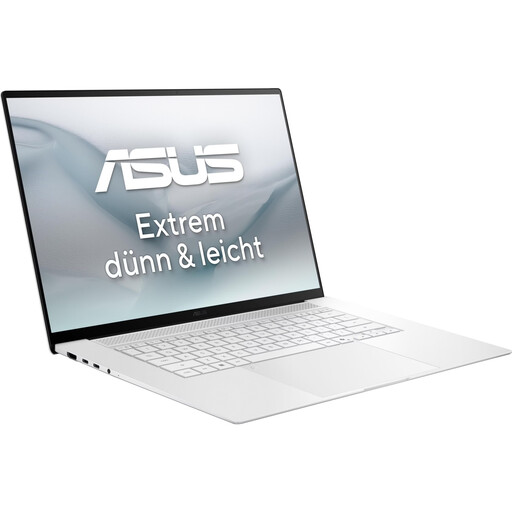
ASUS Zenbook S16 UM5606GA-SS335W
The 16-inch format is a good starting point if you want to work with a digitised copy and input form side by side; check that your cataloguing software is compatible.
WQXGA OLED display, Ryzen AI 9 465, 32 GB RAM, 1 TB SSD and Windows 11 Home. The product title states that a power adapter is not included.
View at Joybuy
 No image available
Lenovo ThinkPad E16 Gen 3, 32 GB RAM, 1 TB SSD
The 16-inch format is worth considering if you want to view the source and input form side by side; first check that your cataloguing software runs on this specific configuration.
AMD Ryzen 7 250, 32 GB RAM, 1 TB SSD and Windows 11 Pro.
View at Joybuy
 No image available
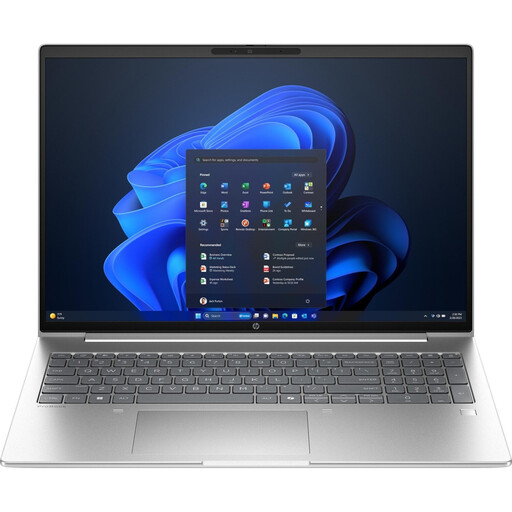
HP ProBook 4 16 G1i, 32 GB RAM, 1 TB SSD
This 16-inch model could suit reading and cataloguing side by side at a fixed workstation; check that it has the ports you need and that your software is compatible.
Intel Core Ultra 7 255U, Windows 11 Pro, 32 GB RAM, 1 TB SSD and a 16-inch IPS display with a resolution of 1920 × 1200 pixels.
View at Joybuy
 No image available
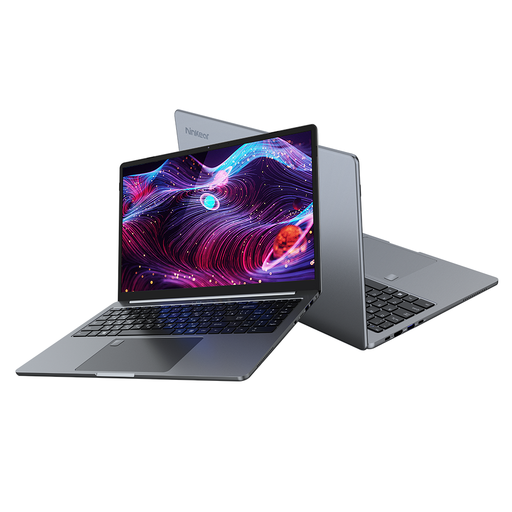
Ninkear A15 Pro, 16 GB RAM, 1 TB SSD
The 16-inch display gives you more room to view a digitised copy alongside cataloguing fields; check that the specifications suit your files and software.
16 GB DDR4 RAM, 1 TB SSD, FHD display and Windows 11.
View at Joybuy
 No image available
HONOR Magicbook X16 AMD 2025
This 16-inch model with a German keyboard could suit repeated data entry and working on screen; check that your cataloguing software is compatible.
AMD R5 6600H, 16 GB RAM, 512 GB SSD and German keyboard; colour: Cloud Gray.
View at Joybuy
Frequently asked questions
Do I need a special laptop feature to create my own advert fields?
Not just for the fields themselves. What matters is whether your chosen programme runs on the operating system and supports the input and export features you need. Microsoft Support explains data validation rules in Excel; OpenRefine documents exports to CSV, XLSX and ODS, among other formats. Test your specific field schema before choosing a device.
How should I set up a workflow for scans and OCR?
Treat the digitised copy, any full-text OCR and the cataloguing of individual advert fields as separate stages of work. OCR-D explains that historical typefaces and layouts can make recognition more difficult. Test a suitable model on sample pages, then check important details for your index against the digitised copy.
What extra costs and rights should I consider when buying a laptop?
Check the cost of the software and peripherals you actually need against your planned workflow. If there’s a fault, statutory rights against the seller are separate from a voluntary guarantee, as the Verbraucherzentrale explains. Many online purchases by consumers are generally covered by a 14-day right to cancel, subject to the applicable conditions.
Can I publish historical adverts or upload them to a cloud service without further checks?
No. The age of an advert alone doesn’t automatically mean it’s free to use. Before publishing, check the rights to the content and, where relevant, to the digitised copy. The German Patent and Trade Mark Office explains that copyright-protected works are generally protected until 70 years after the death of the author. If your processing involves personal data, you should also check the relevant data protection requirements.


