A traditional laptop is a sensible starting point for researching historical sources and creating worksheets. Choose one based on the space you have at your desk, how often you need to carry it around and the software you actually need to use. A larger screen makes it easier to work across multiple documents, while a more compact device is easier to transport. A convertible is handy for handwritten notes, but each option has different requirements for space, ports and software.
Which features suit different users?
Planning with sources and teaching materials
If you review historical sources and use them to create texts or slides, clear, easy-to-read documents and suitable software are important. The German Federal Archives provides sources with notes on their historical context and suggestions for using them in lessons.
Students on a budget
If you’re also considering a second-hand device, check its condition, included accessories and the seller’s status. The German consumer advice centre lists the device’s condition and its remaining useful life among the key uncertainties when buying second-hand.
Preparing on the move
If you move between your room and other places to work, a laptop’s dimensions, ports and battery life for your workflow may matter more than having the largest possible screen. CHIP lists portability and battery life among the criteria to consider when choosing a laptop for studying.
What should you look for when buying?
First, check that the operating system and software suit your lesson-planning needs. Then compare screen size with your transport needs, and consider whether you’d use a stylus regularly.
| What matters |
What to check before buying |
Who is this important to? |
| Reading sources and creating materials |
Screen size and resolution, keyboard, RAM, SSD, and the text and presentation software you need on the specific configuration. |
If I want to read sources alongside my draft and create teaching materials, I look for a suitable screen and smooth performance when working with several documents. Around 36% of consumers prioritise working with sources and text. |
| Cost and device condition |
The total cost of the specific offer, the software you need, what’s included and, for second-hand devices, their condition and the seller’s status. |
If I need to keep my spending down, I want to buy a device that’s suitable for my needs and be able to assess its condition if it’s second-hand. Around 29% of consumers prioritise cost and device condition. |
| Portability and working away from a plug socket |
The dimensions and weight of the exact configuration, charging options and battery life under conditions that match your own workflow. |
If I plan lessons in different places, a device that’s easy to carry and a suitable way to charge it are essential. Around 21% of consumers prioritise portability and working away from a plug socket. |
| Handwritten notes |
For a convertible, check the touchscreen, stylus compatibility, what’s included and whether the software supports your file formats. |
If I want to annotate historical sources directly on screen regularly, I need a device that supports stylus input. Around 14% of consumers prioritise handwritten editing. |
Common buying mistakes
-
Assuming a quoted battery life is guaranteed working time
Apple’s claim of up to 15 hours for the 13-inch MacBook Air with M5 refers to wireless web browsing under the manufacturer’s test conditions, not a workflow involving sources, text and presentations.
Compare battery life claims only with their test conditions in mind, and make sure you’ll have a way to charge your laptop where you work.
-
Assuming every device in a model range is identical
Specifications can vary even within the same model range. The RAM is soldered in the Lenovo IdeaPad Slim 3 14, item number 82XN009QGE; the documented HP 255 G10 configuration A23HCEA#ABD has a different screen size and RAM specification.
Before buying, compare the full model or item number, as well as the operating system, RAM, SSD and ports of the configuration on offer.
-
Focusing only on the price of a second-hand laptop
The German consumer advice centre highlights uncertainty about condition and remaining useful life when buying second-hand devices.
Ask for a clear description of the device’s condition and what’s included, and check whether the seller is a business or a private individual.
Key brands at a glance
Lenovo
The IdeaPad Slim 3 14 in configuration 82XN009QGE is an example of a traditional Windows laptop for working with text and sources.
- Lenovo lists Windows 11 Home, a matte 14-inch FHD display, 16 GB RAM and a 512 GB SSD for this configuration.
- The RAM is soldered. Lenovo currently lists this configuration as unavailable; these specifications don’t automatically apply to other versions.
HP
The HP 255 G10, model number A23HCEA#ABD, is an example of a larger traditional laptop for working with documents.
- HP lists a 15.6-inch FHD display, Windows 11 Pro, 8 GB RAM and a 512 GB SSD for this configuration.
- HP lists this exact model number as out of stock. Don’t assume the same specifications apply to other HP 255 G10 configurations without checking.
Apple
The 13-inch MacBook Air with M5 is a macOS option, provided it’s compatible with the software and ports you need.
- Apple lists 16 GB of unified memory, a 512 GB SSD and two Thunderbolt 4 ports for the base configuration.
- The claim of up to 15 hours refers to wireless web browsing under Apple’s test conditions. It isn’t a guarantee of battery life when planning lessons.
Joybuy products for lesson planning
The devices below include compact convertible and MacBook options, as well as traditional laptops with 16-inch displays for working with sources and teaching materials.
 No image available
HP OmniBook Ultra Flip 14-fh0670ng
This 14-inch convertible laptop with touchscreen is worth considering if you want to annotate sources on screen and switch between documents.
Intel Core Ultra 7 258V, 32 GB RAM, 1 TB SSD, 2.8K OLED, Windows 11 Home.
View at Joybuy
 No image available
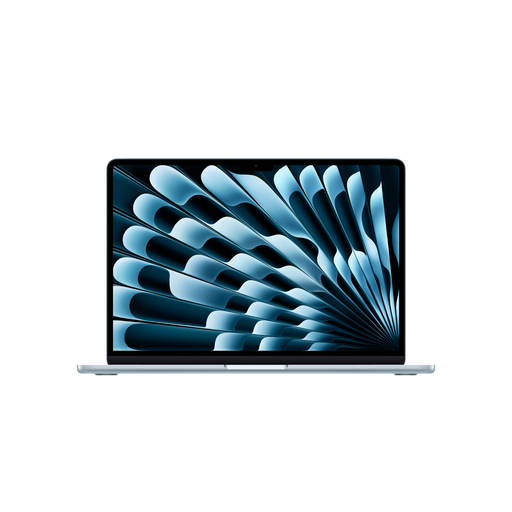
Apple 13-inch MacBook Air (M5, 2026)
This MacBook Air configuration could suit lesson planning on the move, provided macOS and the available ports are compatible with your software and devices.
10-core CPU, 8-core GPU, 16 GB, 512 GB SSD, Sky Blue, German QWERTZ keyboard layout. The product listing states that a power adapter isn’t included.
View at Joybuy
 No image available
Lenovo ThinkBook 16 Gen 9
This 16-inch laptop is an option if you’d like a larger screen for working with sources and drafts, and have enough space on your desk.
Intel Core Ultra 5 325, 32 GB DDR5, 512 GB PCIe SSD, Windows 11 Pro.
View at Joybuy
 No image available
HONOR Magicbook X16 AMD 2025
This 16-inch laptop is an option for working with sources and drafts on a larger screen. Check that it suits the space you have before buying.
AMD R5 6600H, 16 GB RAM, 512 GB SSD, Cloud Gray, German keyboard.
View at Joybuy
 No image available
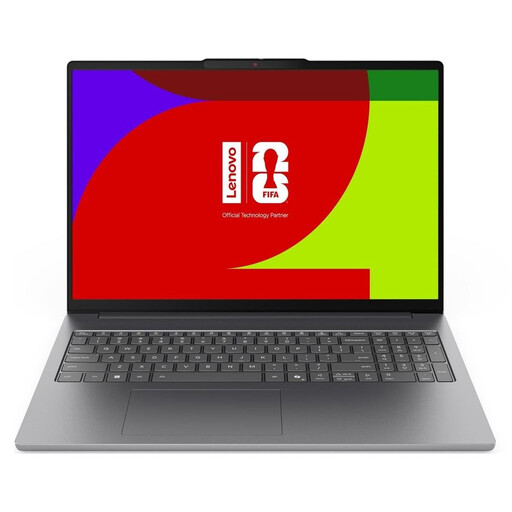
Lenovo IdeaPad Slim 5 16IPH11
This 16-inch configuration is worth considering if you prefer a larger screen for sources and teaching materials and want to use Windows 11.
WUXGA, Core Ultra 5 322, 16 GB RAM, 1 TB SSD, Windows 11.
View at Joybuy
Frequently asked questions
Does a laptop for history lessons need a touchscreen?
No. What matters is whether you regularly make handwritten notes directly on digital sources. If you’re considering a convertible for this, check stylus compatibility and what’s included with the specific configuration.
How can I use lesson files offline on a Chromebook?
According to Google, you can make selected Google Drive files available offline in advance. Test the files and apps you need before working without an internet connection. For editing Office files with the Microsoft 365 app, Google describes using OneDrive.
What are my rights when buying a laptop online from a business seller?
For most online purchases of goods, you generally have 14 days from receiving your order to cancel, although exceptions and possible return costs apply. The European Commission explains the right to cancel; you also have statutory rights if goods are faulty. The German consumer advice centre notes that these are separate from a voluntary guarantee.
Can I simply use historical images or book pages in teaching materials?
No, not in every case. Under certain conditions, § 60a UrhG permits specific uses of up to 15% of a published work for non-commercial teaching purposes at educational institutions. Check the applicable terms and exceptions for the material in question and how you plan to share it.


