Start by choosing software that supports the index fields and audio formats you need, then check its operating system requirements against the specific laptop. When working with recordings, transcripts and indexes, the screen, keyboard, ports and storage space all matter. Extra processing power cannot make up for missing software features. For confidential interviews, also consider storage, potential cloud processing and backups.
Who is a laptop for indexing interviews suitable for?
Researchers using custom interview fields
You want to organise recordings or transcripts using details you define yourself, such as case, topic or interview date, and find them again later. Check whether your software has the features you need: MAXQDA describes variables for documents and codes, while ATLAS.ti describes documents and document groups.
Researchers who spend a lot of time listening and editing transcripts
If you regularly switch between playback, text and your index, make sure the screen and input area suit the way you work. Consider whether you want to view audio and the transcript side by side, or would prefer a lighter device that’s easier to carry.
Mobile teams working with confidential recordings
If you carry interview files with you or work on them with others, storage, backups and potential cloud processing are important things to check. The Federal Office for Information Security explains how encryption protects data on mobile devices and why backups matter.
What should you look for when choosing one?
First, check that your chosen software supports the fields and workflows you need. Then compare the screen, ports and storage, and consider how you’ll handle confidential files based on the way you actually work.
| Consideration |
What to check before buying |
Who is this important to? |
| Index fields and software |
Try a sample recording to see whether you can create, search and export the fields you need. Then check the operating system and processor architecture against your software’s requirements. According to MAXQDA, MAXQDA 26 does not support Windows ARM devices. |
If I want to use my own fields, the software needs to support them as part of my workflow. Around 33% of consumers put field features and software compatibility first. |
| Audio, transcript and index |
Open one of your own recordings alongside a sample index and check that the screen, keyboard and headphone socket work for you. If needed, also find out whether you can connect an external monitor. |
If I regularly switch between recordings, transcripts and fields, I need a suitable workspace and input setup. Around 27% of consumers prioritise working with audio, text and an index side by side. |
| Secure storage |
Check which data is processed locally or in the cloud, whether you can set up encryption and how to create separate backups. The Federal Office for Information Security explains encryption and data backups for mobile devices. |
If interview files contain confidential information, I want to understand how storage, cloud processing and backups work before I start. Around 20% of consumers put the secure handling of files first. |
| Portability and ports |
Check the full model number for USB, monitor and audio ports, the keyboard layout and what’s included with the power supply. For the ThinkPad E14 Gen 7 Intel family, Lenovo lists USB-A, HDMI and audio, among other ports, depending on the configuration. Apple lists two Thunderbolt 4 ports and a headphone socket for the 13-inch MacBook Air with M5. |
If I move between workplaces and want to connect the devices I already own, the size and selection of ports matter to me. Around 20% of consumers prioritise portability and connecting their peripherals. |
Avoid common buying mistakes
-
Buying lots of memory without testing the index fields you need
A laptop can’t make up for missing field, search or filter features in your software. MAXQDA describes document variables, while ATLAS.ti explains documents and document groups. This doesn’t tell you whether the specific field types and export options you need will work.
Before buying a device, test a small sample collection using the fields and searches you actually need.
If the software doesn’t suit your workflow, you may need to change your software or the way you work.
-
Assuming Windows ARM is the same as other Windows devices
MAXQDA’s system requirements for version 26 exclude Windows ARM devices. So, having a compatible operating system isn’t enough if the processor architecture isn’t supported.
If you need specific software, check the processor architecture of the exact laptop model against the requirements for the version you’ll use.
If the architecture isn’t suitable, you’ll need to consider a different device or application.
-
Assuming automatic transcription is included with your laptop
MAXQDA Support explains that automatic transcription requires separate activation and an additional transcription package, which is based on the duration of the media files.
Check what your software licence includes and the terms for transcription features separately from your laptop.
Automatic transcription may require an additional transcription package.
-
Assuming details about a model family apply to every listing
Lenovo notes that equipment options for the ThinkPad E14 Gen 7 Intel family may only apply to certain models. So, details for a whole family don’t automatically confirm the ports or features of a specific configuration.
Check the full model number, ports, keyboard layout and what’s included with the device on offer.
If the ports differ, you may need an extra peripheral, such as an adapter.
Notable brands to consider
The details below relate to documented product lines and specific configurations; they don’t apply across the board to every model from a brand.
Lenovo
The ThinkPad E14 Gen 7 Intel family is a Windows option. The exact features depend on the model you choose.
- Lenovo lists USB-A, HDMI and a 3.5 mm audio socket, among other ports, for this product family.
- The family overview describes possible configurations. Check the ports and features against the full model number.
HP
The ProBook 4 G1a is listed in the documented AD2M8ET#ABD 14-inch and AD2N1ET#ABD 16-inch versions.
- HP lists Windows 11 Pro, 24 GB RAM and a 512 GB SSD for both versions. The 16-inch AD2N1ET#ABD model is also listed with a 1920 × 1200-pixel display.
- These details apply to the versions listed and don’t confirm measured battery life or the features of other ProBook models.
Apple
The 13-inch MacBook Air with M5 is a macOS option, provided the interview software you need supports this operating system.
- For the base configuration, Apple lists 16 GB of unified memory and a 512 GB SSD, as well as two Thunderbolt 4 ports and a 3.5 mm headphone socket.
- Check separately whether you need to connect USB-A devices. Apple’s claim of up to 18 hours isn’t a measured battery life for analysing interviews.
Joybuy products for analysing interviews
This selection includes compact and larger Windows laptops for indexing interviews. Check the requirements of your specific application separately from the device specifications.
 No image available
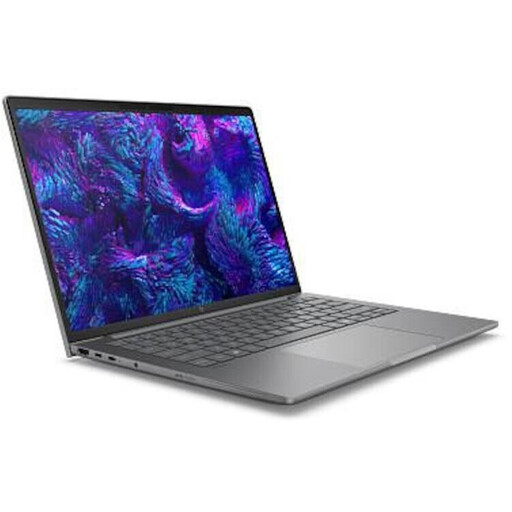
HP ZBook 8 G1i 14, Ultra 9 285H, 64 GB RAM, 1 TB SSD
This 14-inch configuration could suit you if you’re looking for a more compact device for analysing interviews. The index features you need will still depend on your software.
The model name lists an Ultra 9 285H, 64 GB RAM and a 1 TB SSD.
View at Joybuy
 No image available
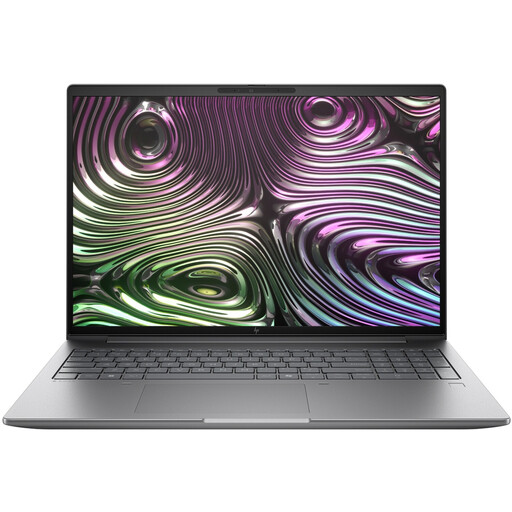
HP ZBook X G1i 16, Ultra 7 255H, 32 GB RAM, 1 TB SSD
The 16-inch format could suit you if you’d prefer a larger built-in display when working with recordings, transcripts and indexes. Check compatibility with your specific software separately.
The model name lists an Ultra 7 255H, 32 GB RAM and a 1 TB SSD.
View at Joybuy
Frequently asked questions
Is 8 GB RAM enough for analysing interviews?
It depends on the software you use and the project. For version 26, MAXQDA lists 4 GB as the minimum and recommends 8 GB or more. ATLAS.ti lists 4 GB as the minimum and recommends 8–16 GB for Windows. These recommendations don’t guarantee performance for every large project or when several programmes are open at once.
Can I buy a Windows ARM device instead of a Windows laptop with an Intel or AMD processor?
Not if MAXQDA 26 is the application you need: MAXQDA excludes Windows ARM computers from its system requirements. For other software, check that the specific application and version are supported.
Is automatic transcription included when you buy a laptop?
No. Buying a laptop doesn’t automatically include MAXQDA’s automatic transcription feature. MAXQDA Support says the feature needs to be activated separately and requires an additional transcription package, with the package size based on the duration of the media files.
How can I protect interview recordings when working on the move?
Set up suitable encryption for files that need protection and keep separate backups. The Federal Office for Information Security explains how encryption protects data on lost or stolen laptops, and why backups matter if a device fails or files are accidentally deleted.
Can I record identifiable interviews and send them to a transcription service without any further checks?
There’s no blanket permission to do so. The Federal Commissioner for Data Protection and Freedom of Information explains that processing personal data requires a legal basis, and that consent is one of several possible bases. In 2018, the Data Protection Conference stated that recording phone calls is generally only permitted with the consent of the external caller; this statement specifically concerns telephone conversations. Check the requirements for your particular purpose and service.


