For landscape exposure bracketing at home, your laptop should first be suited to your editing software and have a reliably profiled display. RAM, SSD space, and card and monitor connections come next. A larger laptop display can make a fixed workspace easier to use without a separate monitor, while a more compact notebook paired with an external, profiled monitor offers greater flexibility. A powerful GPU or an OLED panel alone guarantees neither a necessary advantage when merging images nor accurate colours.
Who is this type of laptop use for?
Colour-critical landscape photographers
If you do most of your exposure-bracket editing at a desk, you need a profiled display that lets you assess shadows, highlights and colours. Adobe explains why an accurate monitor profile matters when editing images.
RAW editors working with lots of exposure brackets
If you regularly merge multiple shots, your operating system, memory and graphics hardware should meet the requirements of your software and the features you use. Adobe distinguishes between minimum and recommended specifications for Photoshop.
Photographers with a dedicated monitor setup
If you want a more portable notebook for travelling but plan to assess colours mainly on your home-office monitor, factor in the video connection and profiling options for the external display. DigitalPHOTO notes that a larger laptop display can make sense if you mainly work at a desk.
What should you look for when buying?
Start by checking your software and how you assess colours. Then choose the memory, storage and connections to suit your actual photo archive and workspace.
| Buying priority |
What to check |
Who it matters most to |
| Colour reproduction |
Check the panel on the exact model, whether it can be profiled, and whether you can connect an external monitor. A stated colour gamut does not prove measured colour accuracy. |
If I need to judge the colours of skies and foregrounds, an accurate monitor profile matters more than a wide colour gamut alone. Around 36% of consumers put colour fidelity first. |
| Merging and software |
Match the software version, operating system, RAM and, where relevant, GPU requirements to the exact laptop configuration. For Photoshop 27.x, Adobe specifies a minimum of 8 GB RAM and recommends 16 GB or more; these figures are not a general recommendation for other programmes. |
If I regularly merge exposure brackets, my laptop needs to suit my software and the features I use. Around 29% of consumers prioritise merging performance. |
| File storage and importing |
Check you have enough free SSD space for your archive, along with a suitable card reader and ports for external drives. Lightroom Classic catalogues point to your photos; plan to back up both the original files and the catalogue. |
If I import RAW files and organise a large archive, I need accessible storage and a clear backup plan. Around 21% of consumers prioritise storage and importing. |
| Workspace and portability |
Decide whether you’ll assess images on the laptop or on an external monitor. The video output, monitor resolution and peripherals you need must all be compatible. |
If I sometimes work on the go but want to assess colours on my regular monitor, the right combination of both devices matters. Around 14% of consumers prioritise a flexible workspace. |
Which mistakes should you avoid?
-
OLED or a wide colour gamut does not automatically mean accurate colours
According to Adobe, an inaccurate monitor profile can lead to unnecessary colour adjustments (guide dated 6 October 2026).
Check the display on the exact configuration and set up a suitable monitor profile for colour-critical decisions.
-
You don’t automatically need a high-end GPU for HDR
Software requirements depend on the programme and features you use. A product category or gaming label alone does not tell you which graphics hardware your workflow needs.
Check the requirements for your software version and features before choosing a GPU configuration.
-
A Lightroom Classic catalogue is not a backup of your original photos
The catalogue includes, among other things, references to where your photos are stored. It does not replace the original image files.
Plan separate backups for your original files and catalogue data.
Which brands are worth considering?
Apple
If you prefer macOS and a large built-in display, the 16-inch MacBook Pro is worth considering.
- For the 16-inch configuration with M5 Pro or M5 Max, Apple lists an SDXC card reader and connections for external displays, among other features.
- Specifications vary by chip and memory configuration. Before buying, check the exact configuration and make sure it’s suitable for your software.
ASUS
The ProArt P16 range is aimed at buyers looking for a Windows creator laptop with a large display.
- For the H7606WP-RJ090W model, the German ASUS shop lists a 16-inch OLED display, 32 GB RAM, a 2 TB SSD and SD Express.
- These manufacturer specifications do not prove a particular speed when merging HDR images. A powerful GPU is not necessary for every photo workflow.
Lenovo
The ThinkPad T1g Gen 8 is a 16-inch range to consider if you’re looking for card and monitor connections.
- Lenovo’s PSREF outlines the possible specifications for the range.
- Lenovo notes that configurations are not available everywhere, so the exact model number is what matters.
HP
The ZBook Studio G11 is another 16-inch mobile workstation range for buyers looking for a suitable Windows configuration.
- HP classifies the product line as a mobile workstation.
- The label does not prove an advantage when merging exposure brackets or guarantee the same display characteristics across every configuration.
Joybuy products for photography
The following Joybuy models are 16-inch laptops for photography at your home-office desk. Displays, connections and specifications vary by model.
 No image available
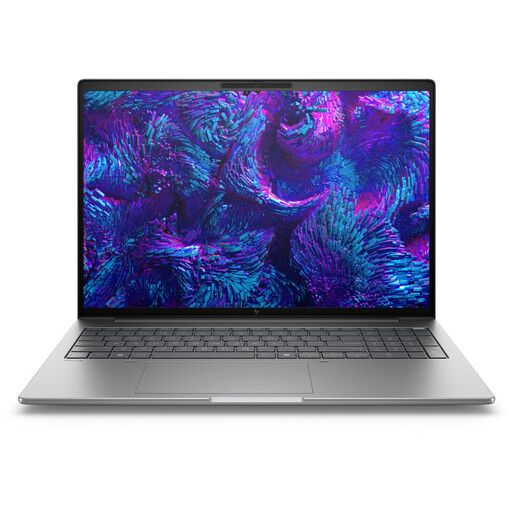
HP ZBook 8 G1i 16 Ultra 7 265H, 64 GB RAM, 2 TB SSD
A configuration for buyers looking for a large display and specified connections for external devices at their home-office desk.
16-inch WUXGA display, 64 GB RAM, 2 TB SSD, HDMI 2.1 and Thunderbolt 4.
View at Joybuy
 No image available
Lenovo ThinkBook 16 Gen 9, Core Ultra 5 325, 32 GB RAM, 512 GB SSD
The built-in SD card reader may be useful for importing files. Also check that the connections work with your monitor and external drives.
16-inch WUXGA IPS display, 32 GB DDR5 RAM, 512 GB SSD, SD card reader, HDMI 2.1, Thunderbolt 4 and Windows 11 Pro.
View at Joybuy
 No image available
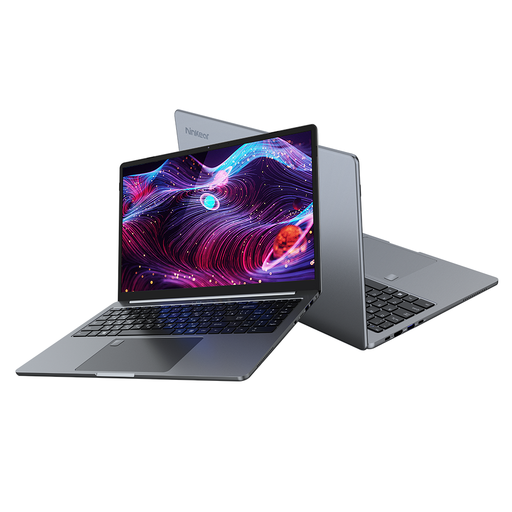
Ninkear A15 Pro, 16 GB RAM, 1 TB SSD
The 16-inch version gives you a larger laptop display. For colour-critical editing, check the specific display and whether it can be profiled.
16-inch display, 16 GB DDR4 RAM, 1 TB SSD and Windows 11.
View at Joybuy
 No image available
HONOR MagicBook X16 AMD 2025, Ryzen 5 6600H, 16 GB RAM, 512 GB SSD
A 16-inch option for working on the laptop display. Above all, check that the exact specifications meet your software and storage needs.
16-inch display, AMD Ryzen 5 6600H, 16 GB RAM, 512 GB SSD, Cloud Grey and German keyboard.
View at Joybuy
 No image available
THUNDEROBOT Radiant S16, Ryzen 7 7745HX, 16 GB RAM, 1 TB SSD
This model has a dedicated graphics card. Check its requirements against your software rather than assuming gaming hardware is essential for exposure bracketing.
16-inch QHD+ display with 240 Hz, 16 GB DDR5 RAM, 1 TB SSD, NVIDIA GeForce RTX 5060, plus HDMI and USB-C connections.
View at Joybuy
Frequently asked questions
Do I need a dedicated graphics card for exposure bracketing?
No, a dedicated graphics card is not a universal requirement. Check the requirements of your specific application and the features you use: for Photoshop 27.x, Adobe distinguishes between minimum and recommended GPU specifications. This does not mean you need a particular creator or gaming GPU in every case.
What should I do for colour-critical editing with a monitor?
Calibrate and profile your monitor in stable lighting conditions. Adobe recommends suitable measuring hardware for colour-critical work; a wide colour gamut in the product description is no substitute for an accurate monitor profile.
Is backing up my Lightroom Classic catalogue enough to protect my original photos?
No. The catalogue contains, among other things, references to where your photos are stored and editing instructions. You should also plan to back up your original image files.
What rights do I have when buying a laptop online from a business seller for personal use?
For a typical distance purchase in the EU, you generally have a 14-day right to cancel from the date of delivery; exceptions and the seller’s status should be taken into account. Separately, goods you buy come with a legal guarantee of at least two years against the seller. Your Europe, the European Union’s information portal, explains these rights; a voluntary manufacturer’s warranty is separate.


