You don’t need a dedicated graphics card for regex exercises involving text patterns, search and replace. The right learning software and a workspace where you can read and type comfortably are more important. For longer sessions, the DGUV recommends using an external keyboard and mouse, and an external screen if possible. Before buying, check the operating system, ports, keyboard layout and included items for the specific configuration.
Which laptop is right for you?
Learners at a dedicated desk
If you practise at home for extended periods, look for text that’s easy to read and the option to connect external input devices. For longer periods of screen work, the DGUV recommends using an external keyboard and mouse, as well as an additional screen if possible.
Learners using course software
If your exercises use a specific editor or programming language, first check that the software requirements match the operating system and installation options. Microsoft Learn explains how to install .NET on Windows, macOS and Linux.
Learners who move between workspaces
If you regularly change where you work at home, portability and the ease of reconnecting your existing devices matter. Check the dimensions and ports of the specific laptop configuration.
What should you look for when buying?
First, make sure the operating system and software are suitable for your planned course. Then decide whether you’d prefer a larger built-in screen or a more portable device.
| What to consider |
What to look for when buying |
Who should pay particular attention? |
| Readability and ergonomics |
Check the screen size and finish of the specific configuration, as well as its ports for your existing monitor, keyboard and mouse. |
If I’m learning at the same desk for a long time, I want to read text and examples clearly and work comfortably. Roughly 36% of consumers rank ergonomics as their top priority. |
| Compatibility with learning software |
Check the course’s required editor, programming language, operating system version and installation options. |
If my course specifies a particular tool or development environment, my laptop needs to be compatible. Roughly 29% of consumers put software compatibility first. |
| What’s included and accessories |
Check whether a power adaptor is included and whether the ports are compatible with the devices you already own. |
If I want to keep track of my total spending, I need to know which accessories I still need. Roughly 21% of consumers make what’s included and the overall cost their top priority. |
| Portability |
Compare the dimensions and weight of the specific configuration, as well as the ports for connecting your devices at home. |
If I regularly move between learning spaces, I’d rather have a portable device than the largest possible built-in screen. Roughly 14% of consumers put flexibility first. |
Common buying mistakes
-
Planning for a gaming graphics card for simple regex exercises
For exercises involving text patterns, search and replace, choosing the right learning software is the priority. However, additional courses or development tools may have their own system requirements.
Check the requirements for your course and its programmes before choosing your hardware.
-
Assuming a large laptop screen is the same as a complete workstation
A large screen alone doesn’t address every aspect of your seating and input setup. For longer work sessions, the DGUV recommends separate input devices and, if possible, an external screen.
Plan your screen height, keyboard, mouse and required ports together.
Depending on the equipment you already have, you may need an external keyboard, a mouse, a screen or suitable connection accessories.
-
Assuming every model comes with a power adaptor
What’s included can vary depending on the specific model and configuration.
Before ordering, carefully check the included items for the version you’ve selected.
A look at the key brands
Lenovo
The ThinkPad E14 Gen 7 AMD range is a useful point of comparison for compact laptops used at a home workstation.
- Lenovo’s PSREF lists screen options up to 14 inches with a resolution of 1920 × 1200 pixels, and two memory slots for the range.
- Specifications and availability vary by model and region; the maximum specifications don’t necessarily apply to every version.
HP
The ProBook 4 G1a 14 AD2M8ET#ABD is a compact Windows option for a home workstation.
- HP lists a 14-inch screen with a resolution of 1920 × 1200 pixels, 24 GB RAM, HDMI, USB-A and two USB-C ports for this version.
- Productivity claims are the manufacturer’s descriptions and don’t prove any particular advantage for learning regex.
Dell
The Dell 14 DC14250 is a configurable Windows option for working with text.
- One listed configuration includes a 14-inch screen with a resolution of 1920 × 1200 pixels, 16 GB RAM and a 512 GB SSD.
- No power adaptor is listed for the configuration described; check the included items for the version you actually choose.
Apple
The MacBook Air with M5 is a macOS option, provided it’s compatible with the learning tools you plan to use.
- Apple lists a 13.6-inch screen for the 13-inch model; documented configurations include 16 GB of unified memory and a 512 GB SSD.
- A power adaptor isn’t included with one specific version. This doesn’t tell you what’s included with other versions.
ASUS
The Vivobook 16 M1607 range is worth comparing if you’ll mostly study in the same place and want a larger built-in screen.
- ASUS lists a 16-inch screen, a resolution of 1920 × 1200 pixels and an anti-glare finish for M1607 versions on its global specifications page.
- Specifications for global versions don’t confirm what’s included with any particular listing in Germany.
Joybuy laptops with 16-inch screens
The models below have 16-inch screens and are worth comparing if you’ll mostly study at a dedicated desk and want to read text on the built-in screen. Also check that the operating system, ports and included items suit your course and workspace.
 No image available
Lenovo ThinkBook 16 Gen 9, Intel Core Ultra 5 325
The 16-inch screen gives you a large built-in workspace for longer sessions at your desk.
WUXGA IPS screen with a resolution of 1920 × 1200 pixels, 32 GB DDR5, 512 GB PCIe SSD and Windows 11 Pro.
Ports listed include HDMI, Thunderbolt 4 and USB 4.0.
View at Joybuy
 No image available
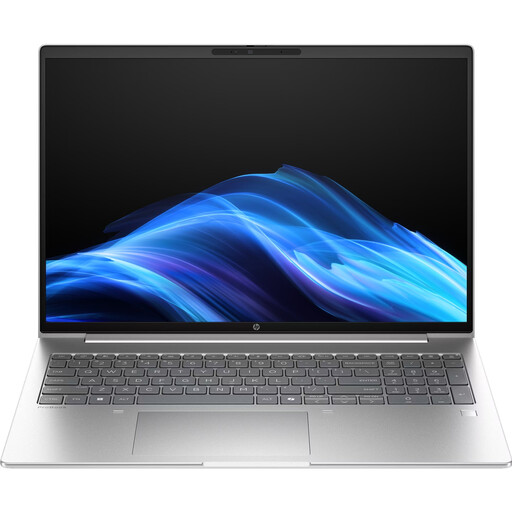
HP ProBook 4 G1a 16-inch, AMD Ryzen 5 230
The 16-inch screen with an anti-glare finish could be a good choice for longer text exercises at a dedicated desk.
WUXGA IPS screen, 16 GB DDR5, 512 GB SSD and Windows 11 Pro.
HDMI, USB-A and USB-C ports are listed.
View at Joybuy
 No image available
HONOR Magicbook X16 AMD 2025, German keyboard layout
The 16-inch screen gives you more built-in workspace if you mostly work in the same place.
AMD R5 6600H, 16 GB RAM and 512 GB storage are listed in the product name.
The product is described as having a German keyboard layout.
View at Joybuy
 No image available
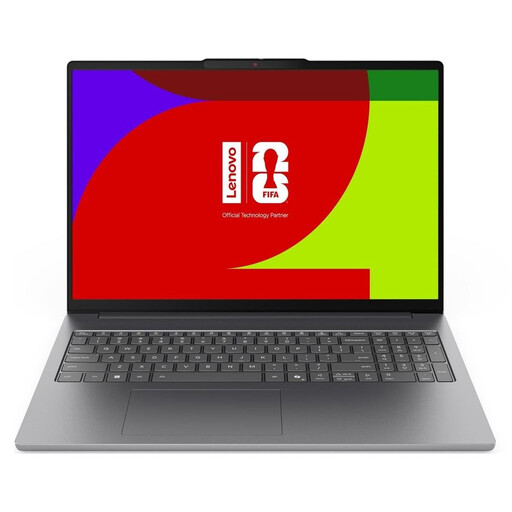
Lenovo IdeaPad Slim 5 16IPH11, Intel Core Ultra 5 322
The 16-inch screen provides a larger built-in workspace for text and examples.
OLED WUXGA screen, 16 GB DDR5, 1 TB SSD and Windows 11 Home.
A German keyboard is listed.
View at Joybuy
 No image available
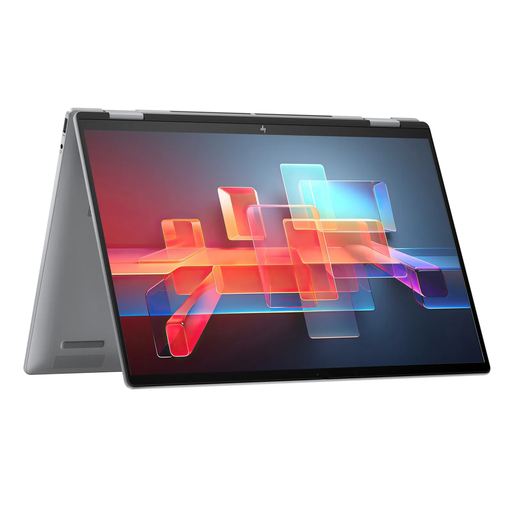
HP ENVY x360 16-ac0473ng, Intel Core Ultra 7 155U
The 16-inch touchscreen gives you a large built-in display for longer learning sessions.
WUXGA IPS screen, 16 GB RAM, 512 GB SSD and Windows 11.
HDMI 2.1 and USB-C Power Delivery are listed; a German keyboard layout is also specified.
View at Joybuy
Frequently asked questions
Do I need a dedicated graphics card to learn regular expressions?
You don’t need a dedicated graphics card for exercises involving text patterns, search and replace. If your course specifies additional software, check its individual system requirements.
How should I set up my laptop for longer study sessions at home?
For longer work sessions, the DGUV recommends using an external keyboard and mouse, as well as an external screen if possible. This is an ergonomic recommendation, not a blanket requirement for every learner to buy these items.
What should I check before connecting an existing monitor?
Compare the monitor’s input with the video outputs on the specific laptop configuration, and check whether you’ll need a cable, adaptor or dock. For example, HP lists HDMI and USB-C for the ProBook 4 G1a 14 AD2M8ET#ABD; this doesn’t mean other models have the same ports.
What are my rights when buying a laptop online in Germany?
When a consumer buys online, they generally have 14 days to withdraw from the contract, starting from the date the contract is concluded or the ordered goods are received; you must notify the retailer of your decision to withdraw. The German Federal Government describes a general two-year statutory warranty from the retailer for faulty goods. The consumer advice centre points out that a guarantee is different; also check for possible exceptions and the terms of your specific contract.


