What should you look for when buying?
First, check that your image-editing software works with your operating system and files. Then you can choose a display, storage and ports to suit the kind of work you do from home.
| What matters when buying |
What to check |
Who should pay particular attention |
| Software and lens profiles |
Check the operating system, software version, and support for your camera and lens combination and file type. Adobe distinguishes between RAW and non-RAW profiles. |
If I work with different cameras or file types, the profile needs to suit my setup. Around 40% of consumers prioritise compatible software and lens profiles. |
| Display and workspace |
Compare the display configuration and ports for connecting an existing external monitor. If colour accuracy is critical, check the specifications of the specific panel. |
If I assess image edges and colours directly on my laptop, the specific display configuration is crucial. Around 30% of consumers prioritise assessing images on screen. |
| RAW batches and running multiple programmes |
Compare the memory and SSD capacity with the requirements of your software. Adobe recommends 16 GB or more for Photoshop. |
When working with lots of RAW shots and several tools open at once, I pay particular attention to memory and available SSD space. Around 20% of consumers prioritise workflows for larger batches. |
| Importing and backing up |
Check for a card reader or suitable ports for importing files, as well as an option for keeping a separate backup. The German Federal Office for Information Security recommends backing up important data such as photos. |
I need suitable connections for importing memory cards and a separate way to back up my originals. Around 10% of consumers prioritise importing, storage and backup. |
Key laptop brands at a glance
The brands listed here offer different product ranges and configurations. The details below apply to the specific ranges or models mentioned, not to every configuration from each brand.
Lenovo
The Yoga Pro 7 14ASP10 is a compact Windows option that can be paired with an external monitor.
- Lenovo lists monitor ports and two SSD slots for the Yoga Pro 7 14ASP10.
- The memory is soldered and can't be upgraded, and the model has no built-in card reader. These details don't necessarily apply to other Lenovo models.
ASUS
According to the manufacturer, the ASUS ProArt P16 range is designed for creative work and includes different configurations.
- Notebookcheck included a specific ThinkPad T1g Gen 8 in a list of laptops for photo and video editing.
- The processor, graphics and display vary within the H7606 range. Check the exact model rather than assuming that features of one configuration apply to the whole range.
Apple
The MacBook Pro 16 with M5 Pro is a macOS option with a large built-in display and ports for a photography workstation.
- Apple lists an SDXC slot and several storage options for this model, among other features.
- Before switching from Windows to macOS, check that your programmes and project files will work. DxO says that certain PhotoLab databases can't be shared or transferred between operating systems.
HP
The ZBook Studio 16 G11 range is another Windows workstation option for a larger workspace.
- The range gives you another device option for a workspace where a larger laptop is suitable.
- According to HP, components vary by configuration. Check the display, memory and ports on the specific model; the workstation label doesn't guarantee a particular advantage for an individual lens correction.
Joybuy products for image correction
The Joybuy products below include Windows laptops and a MacBook Pro. The key factors are still suitable software profiles and the specific display and storage configuration.
 No image available
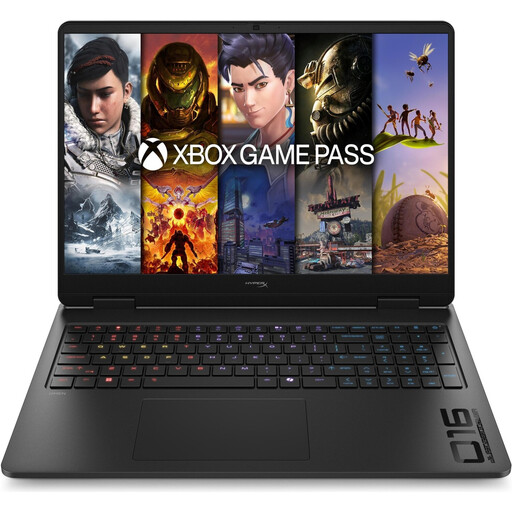
HP OMEN 16-ap1071ng
A 16-inch display is listed for editing images directly on the laptop. Check whether the specific configuration suits your software.
QHD, AMD Ryzen 7 8745HX, 16 GB RAM, 1 TB SSD, GeForce RTX 5060 and Windows 11 Home.
View at Joybuy
 No image available
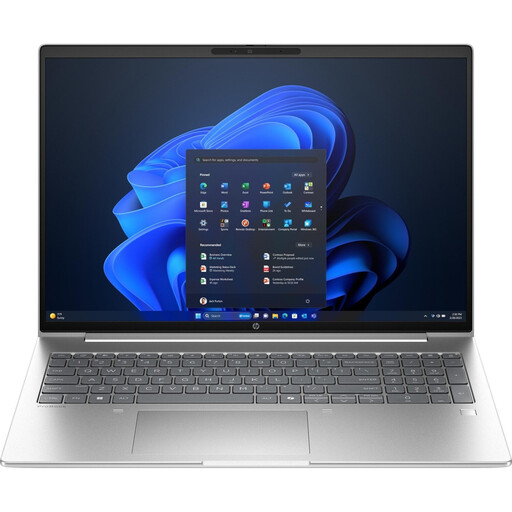
HP ProBook 4 16 G1i
If you edit lots of images or run several programmes at once, compare the listed memory with the requirements of your image-editing software.
Intel Core Ultra 7 255U, 32 GB RAM, 1 TB SSD and 16-inch IPS display with 1920 × 1200 pixels (WUXGA); Windows 11 Pro.
View at Joybuy
 No image available
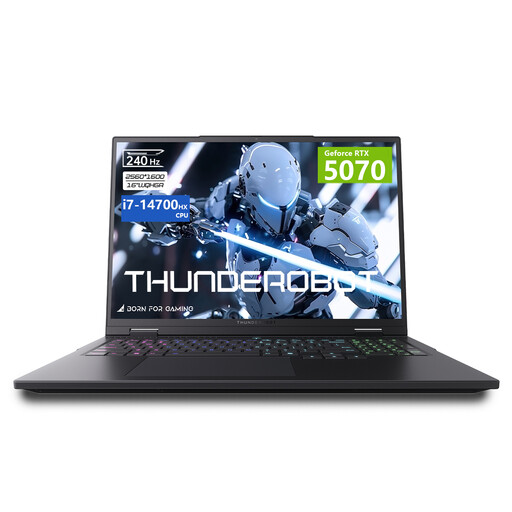
THUNDEROBOT Radiant 16
If you assess images on your laptop display, check the specific display specifications and whether they meet your colour-reproduction requirements.
16 inches, 240 Hz, 100% DCI-P3, Intel Core i7-14700HX, GeForce RTX 5070 and 32 GB RAM.
View at Joybuy
 No image available
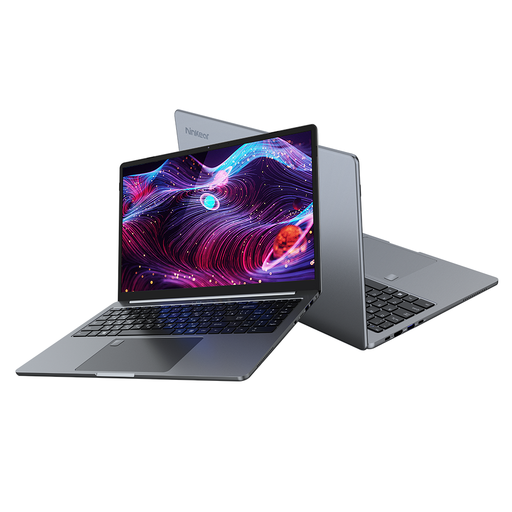
Ninkear A15 Pro
For occasional corrections when working from home, compare the listed specifications with your software requirements and the profiles you need.
16 GB DDR4 RAM, 1 TB SSD, 16-inch FHD display and Windows 11.
View at Joybuy
 No image available
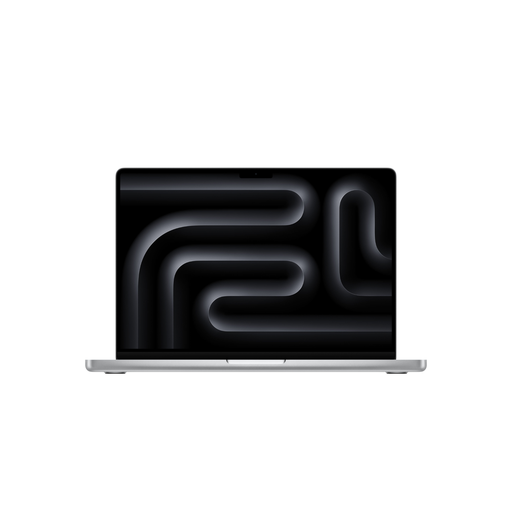
Apple MacBook Pro 16 with M5 Pro
If your image-editing software works with macOS and your existing workflow, you could consider this model for its large built-in display.
16.2-inch Liquid Retina XDR display, 24 GB memory, 1 TB SSD and SDXC slot. The power adapter is not included, according to the product description.
View at Joybuy
Frequently asked questions
Will a faster laptop automatically correct lens distortion better?
Not simply because it's more powerful. First, check whether your software offers a suitable profile for your camera, lens and file type. Adobe distinguishes between RAW and non-RAW profiles, while DxO lists the camera and lens combinations it supports separately.
How can I check lens correction for my photos?
Look for the lens correction tool in your image-editing software and check whether it recognises your camera and lens. Before choosing a laptop, compare your combination and file type with the software manufacturer's information.
How should I back up original photos and catalogues?
Keep a separate, regularly updated backup alongside your working files. The German Federal Office for Information Security lists photos as data worth protecting and explains that backup copies can help protect against damage, theft or malware.
What are your rights when buying online in Germany?
For qualifying online consumer purchases, you generally have a 14-day right to cancel from the date of delivery, although exceptions may apply. For faulty goods, the EU provides for a legal guarantee of at least two years from the seller. This is separate from any voluntary manufacturer's warranty.


