Developers running several local services
If you run a database server, development environment and containers at the same time, plan your RAM and SSD requirements for that specific combination.


Choose a laptop to suit your actual workload: a small file-based database has different requirements from several database services, IDEs and containers running at the same time. Plan your RAM and SSD capacity around your specific setup, and check that the laptop, dock and monitors work together. With ARM devices, you’ll also need to make sure your required software and container stack is supported.
If you run a database server, development environment and containers at the same time, plan your RAM and SSD requirements for that specific combination.
If you regularly connect your laptop to shared monitors and input devices, the ports on the specific model and its compatibility with the dock are important factors to consider.
If you need specific operating systems, database tools or container images, check their system and architecture support before choosing a device.
First, work out which services you’ll run at the same time. Then compare RAM, SSD capacity, software compatibility and the connections you’ll need at your shared workspace.
| What matters | What to check | Who should pay particular attention? |
|---|---|---|
| RAM for multiple services | List the services you’ll run at the same time and check the RAM capacity and type of the specific model. | If I use database services, an IDE and containers in parallel, I need enough RAM for the combined workload. Around 29% of consumers prioritise the memory requirements of multiple services. |
| Connections at a shared workspace | Check the dock model, number and resolution of monitors, required ports and charging needs against the specifications of the laptop and dock. | If I share a desk with others, my laptop needs to work with the existing equipment. Around 23% of consumers prioritise connecting to a shared dock. |
| Space for data and images | Allow for datasets, container images and backups, and check the SSD capacity of the configuration you’re considering. | If I want to keep local data, images and backups on the device, I need enough SSD space. Around 18% of consumers prioritise local datasets. |
| Software stack compatibility | Check the operating system, tools and images, as well as their support for amd64 or arm64. | If I rely on specific database tools and images, the stack needs to work with the system and processor architecture. Around 18% of consumers give this compatibility the greatest weight. |
| Protecting local test data | Establish whether personal data is needed, and check your organisation’s requirements and the security features of the specific device configuration. | If I store sensitive test data locally, I need to consider access to and handling of that data. Around 12% of consumers say protecting local test data is their top concern. |
The requirements for one application don’t tell you how much memory several services, an IDE and containers will use when they’re running at the same time.
Plan around your actual workload, and check whether the RAM can be upgraded on the specific model.
If the configuration you choose doesn’t have enough capacity later on, upgrading the RAM could mean extra costs.
The laptop and dock may support different video, display and charging features; the port name alone won’t tell you whether they’re compatible.
Check the specifications of both devices against your monitors and charging requirements.
If the ports or features aren’t suitable, you may need another dock or an additional adapter.
Docker explains that an image built only for amd64 may require emulation on an arm64 host.
Before you buy, check which architectures your required images support. If necessary, allow for alternative images, builds or emulation.
Checking compatibility and making any necessary changes to images or builds can add to setup time.
Storing data locally doesn’t remove data protection requirements. The BfDI generally treats the processing of personal data during development and testing as a separate processing activity.
Check whether personal data is actually needed, and follow the applicable organisational security requirements.
The ThinkPad T14 range may be worth considering if you’re comparing specific Windows configurations and future upgrade options.
The ExpertBook P5 is an option for a Windows workspace where the ports and the right RAM configuration matter from the outset.
The MacBook Air M5 could suit macOS users, provided their required database software and container images support the ARM architecture.
The Dell Pro 14 Plus PB14250 is another Windows business range to consider when comparing specific configurations and workspace connections.
The following Joybuy products are Windows laptops you can compare for this use based on their RAM, SSD and port specifications. Check whether each specific configuration suits your workload and dock.
 No image available
For several local services running at the same time, the specifications list 32 GB DDR5-SO-DIMM and a 1-TB SSD.
AMD Ryzen 5 220 at 3.2 GHz; Radeon 740M; 16-inch display; Windows 11 Pro.
For your workspace, the listed connections include two USB4-C ports with DisplayPort and Power Delivery, HDMI 2.1 and RJ45.
 No image available
This configuration combines 32 GB DDR5-SO-DIMM with a 1-TB SSD for local data and development tools.
AMD Ryzen 7 250 at 3.3 GHz; Radeon 780M; 16-inch display; Windows 11 Pro.
The product description lists two SO-DIMM slots and a maximum RAM capacity of 64 GB. USB4-C, HDMI 2.1 and RJ45 are also listed.
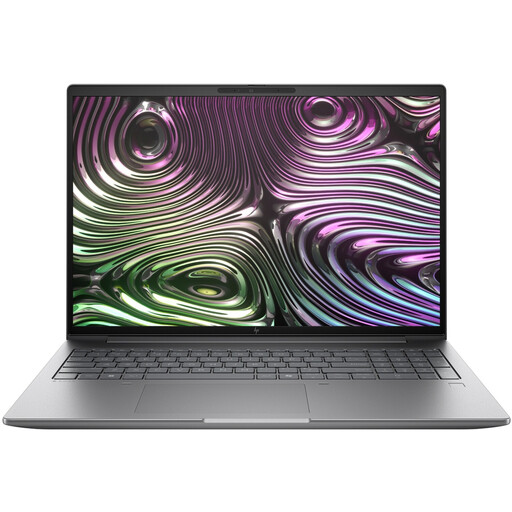 No image available
For local databases and other work applications, the product description lists 32 GB DDR5 RAM and a 1-TB SSD.
Intel Core Ultra 7 255H; Windows 11 Pro; multiple USB ports and HDMI.
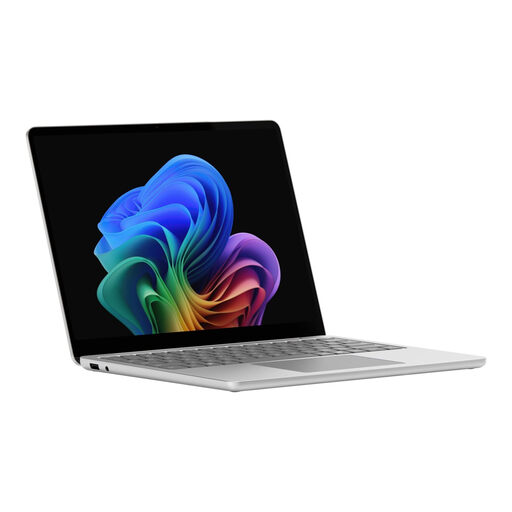 No image available
This configuration lists 24 GB RAM and a 1-TB SSD for local work applications and databases.
Intel Core Ultra 5; Windows 11 Pro; Platinum colour.
 No image available
This configuration lists 32 GB DDR5 RAM and a 512-GB SSD for local files and development tools.
16-inch display; Windows 11 Pro. Thunderbolt 4, USB 4.0 and HDMI 2.1 are listed for connecting external devices and displays.
No. Microsoft describes SQLite as a file-based database, while PostgreSQL uses memory for things such as shared buffers. Plan your RAM and SSD capacity around your data volumes and the services you’ll run at the same time.
For files mounted in Linux containers, Docker recommends using the Linux file system rather than a Windows path. Also check the requirements for your Docker and WSL installation.
Not without checking first. For your specific laptop and dock, check the supported video outputs, monitor resolutions, ports and power supply. Lenovo lists dock and display configurations separately.
If you use Docker Desktop for work in a larger company, check the licence terms: Docker requires a paid subscription for organisations with more than 250 employees or more than 10 million US dollars in annual revenue. This applies to the software licence, not to laptop purchases in general.
Not simply because the data is stored locally. According to the BfDI, the GDPR requirements also apply to personal data used for development and testing. Check whether anonymised or pseudonymised data would be sufficient for your test, and what legal basis and safeguards are required in your particular case.