Which setup is right for you?

Beginners with a local tracker

If you mainly want to write code and store watering schedules without running your own database server, the right development environment and a reliable way to back up your data are key. SQLite works directly with files. Microsoft lists the hardware requirements for VS Code, but these don’t determine what you’ll need for all the programmes you use at the same time.

Developers testing Android apps

If you’re building the tracker as an Android app and want to test it on virtual devices, the Android emulator’s requirements become an important factor when choosing a laptop. Google recommends at least 16 GB of RAM for a good emulator experience. Alternatively, Google says you can deploy an app to a physical Android device.

Those working locally for the long term

If you want to keep your project files and watering history on your own device, plan for a practical backup method as well as enough storage. SQLite documents a backup API for copying a database to a second file. For some laptop models, it may also be worth checking whether the storage can be replaced later.

What should you look for when buying a laptop?

Basic local tracker

A good fit if: you edit code and store data locally in a file or SQLite database.

The trade-off: VS Code’s requirements are a starting point, not the complete requirements for every programme you run alongside it or any future projects.

Android app with an emulator

A good fit if: you want to use virtual Android devices for testing. For a good emulator experience, Google recommends at least 16 GB of RAM and 16 GB of storage.

The trade-off: Those higher requirements may be unnecessary for a basic local tracker. According to Google, a physical Android device is an alternative, but it won’t replace every virtual test setup.

Priority What to check before buying Who is this important to?
Suitable performance without unnecessary spending Check the requirements of your development environment and the programmes you’ll have open at the same time. Compare the specific RAM and SSD configuration. If I only want to build a basic tracker to begin with, I don’t want to pay for tools I won’t use. Around 30% of consumers prioritise getting the right specification without unnecessary spending.
Backing up local data Alongside SSD storage, plan a specific export or backup method and a separate place to keep your backup. If my watering history and project files matter to me, I want to be able to access a backup even if I lose my laptop. Around 30% of consumers put backing up local data first.
Android Studio and emulator For a good emulator experience, Google recommends at least 16 GB of RAM and 16 GB of storage. Also check the requirements of your specific hardware and software setup. If I want to test the tracker on virtual Android devices, I need a setup that suits this testing approach. Around 20% of consumers consider the emulator their top priority.
Working on the move Compare the screen size and ports with where you’ll work, and check whether the required charging accessories are included with the specific model. If I regularly code in different places, I want to choose a screen and ports that suit my mobile workflow. Around 20% of consumers prioritise using their laptop on the move.

Common buying and usage pitfalls

  • Assuming editor requirements are the same as emulator requirements

    VS Code and the Android emulator have different requirements. The hardware specifications for an editor don’t automatically tell you whether a laptop is suitable for virtual Android devices.

    First decide whether you’ll only edit code locally or also run an emulator, then check the requirements of the tools you’ll actually use.

    Planning for an emulator you don’t need could mean paying for unnecessary specifications. Underestimating what you need could mean having to upgrade later.

  • Confusing local storage with a backup

    SQLite stores data in files. But a database file on your laptop isn’t an independent backup if the device is lost or stops working.

    Plan an export or suitable backup, and keep a copy separately from your laptop. SQLite documents an online backup API that copies the database contents to a second file.

  • Assuming what’s included from the brand name

    The power adapter included can vary depending on the specific configuration. Dell lists the PC14250 configuration reviewed without a power adapter; HP says a power adapter is included with model AD2N5ET#ABD.

    Before ordering, check the exact model number and the listed contents.

    If the configuration doesn’t include a suitable power adapter, you’ll need to factor in how you’ll charge it.

Notable brands and specific configurations

Lenovo

The ThinkPad E14 Gen 7 is a Windows option where you can check the specific RAM, SSD and keyboard configuration.

  • For the German AMD configuration 21T00022GE, Lenovo lists 16 GB of SODIMM RAM and a 512 GB SSD. The manufacturer describes the memory as upgradeable.
  • These specifications apply to this configuration and don’t describe every ThinkPad variant or its measured development performance.

HP

The 14-inch ProBook 4 G1i may be worth considering if you’re looking for more RAM and several built-in ports in a specific variant.

  • For AD2N5ET#ABD, HP lists 24 GB of RAM, a 512 GB SSD, HDMI, Type-A, two Type-C ports and an included power adapter.
  • The specifications and included items may vary between ProBook configurations.

Dell

The Dell Pro 14 PC14250 is a configurable Windows alternative with a 14-inch display.

  • One configuration shown by Dell has 16 GB of RAM and a 512 GB SSD.
  • The same listing describes the configuration as ‘No power adapter’. Before buying, check which charger you’ll need and what’s included.

Apple

The MacBook Air M5 is an option if you want to use macOS and are weighing up the display, ports and suitability for mobile use.

  • For the German 13-inch model, Apple lists 16 GB of unified memory, a 512 GB SSD and two Thunderbolt 4 ports.
  • The advertised battery life is based on specific usage patterns and doesn’t indicate how long it will last while coding. Check that your tools are compatible with macOS before you buy.

Framework

The Laptop 13 with AMD Ryzen AI 300 Series is an option if replaceable storage and configurable ports matter to you.

  • Framework describes the RAM as upgradeable, the M.2 SSD as replaceable and the Expansion Cards as selectable.
  • With the DIY Edition, what’s included depends on the configuration you choose, so check the components listed for the specific offer.

Joybuy laptops for a watering tracker

The Joybuy options below are laptops with local SSD storage. If you plan to use an Android emulator, compare the RAM listed for each model with Google’s recommendation of at least 16 GB for a good emulator experience.

Acer TravelMate TMP216-41-TCO, 16-inch WUXGA

Acer TravelMate TMP216-41-TCO, 16-inch WUXGA

The listed 16 GB of RAM can be compared with Google’s recommendation for a good emulator experience. On its own, it doesn’t tell you how well the laptop will handle your entire development workflow.

AMD Ryzen 3 PRO 7335U; 16 GB DDR5; 512 GB NVMe SSD; Windows 11 Pro Education.

Joybuy

HP OmniBook Ultra Flip 14-fh0670ng, 14-inch 2-in-1

HP OmniBook Ultra Flip 14-fh0670ng, 14-inch 2-in-1

With 32 GB of RAM, this variant offers more memory than Google’s recommendation of at least 16 GB for a good emulator experience. Also check the requirements of your specific development environment.

Intel Core Ultra 7 258V; 32 GB RAM; 1 TB SSD; 2.8K OLED; Windows 11 Home; 1.34 kg; power adapter included.

Joybuy
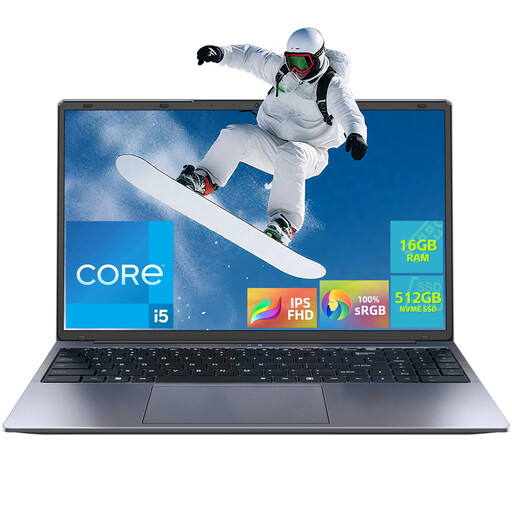
Laptop with 16-inch FHD display, Intel Core i5-8210Y, 16 GB RAM and 512 GB SSD

Laptop with 16-inch FHD display, Intel Core i5-8210Y

The listed 16 GB of RAM matches Google’s recommendation for a good emulator experience. Also check the storage requirements and the requirements of your specific Android testing setup.

Intel Core i5-8210Y, 2 cores and 4 threads, up to 3.6 GHz; 16 GB RAM; 512 GB SSD; Windows 11 Pro; RJ45.

Joybuy
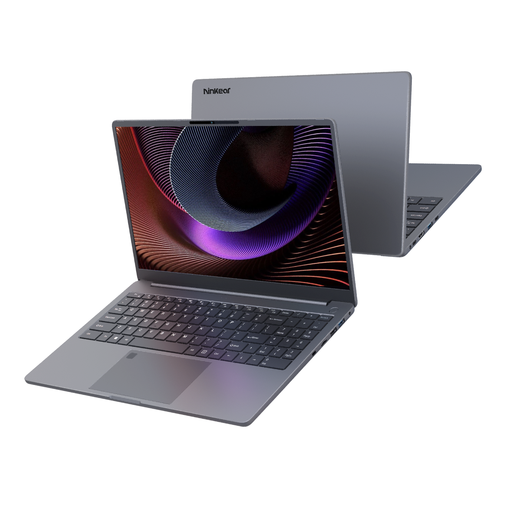
Ninkear A15 Pro, 15.6-inch, 16 GB DDR4 and 512 GB SSD

Ninkear A15 Pro, 15.6-inch, 512 GB SSD

The listed 16 GB of RAM can be compared with Google’s recommendation for a good emulator experience, but it doesn’t guarantee suitability for every virtual test setup.

16 GB DDR4; 512 GB SSD; 15.6-inch FHD IPS display; Windows 11; 1.6 kg.

Joybuy
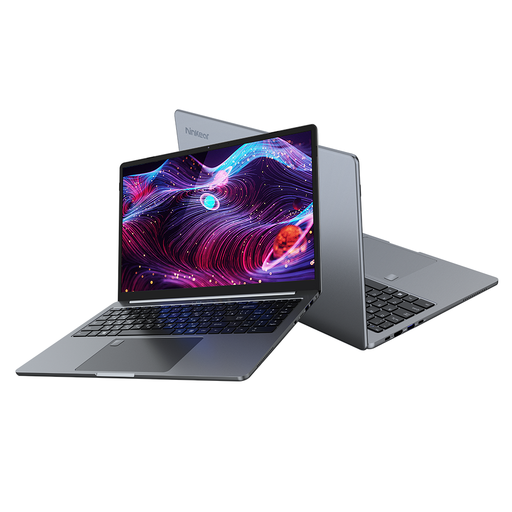
Ninkear A15 Pro, 16-inch, 16 GB DDR4 and 1 TB SSD

Ninkear A15 Pro, 16-inch, 1 TB SSD

The listed 16 GB of RAM can be compared with Google’s recommendation for a good emulator experience. Also check the requirements of your specific software setup.

16 GB DDR4; 1 TB SSD; 16-inch FHD display; Windows 11; 1.8 kg.

Joybuy

Frequently asked questions

Do I need a separate database server for local watering data?

No, if you choose SQLite for your app. SQLite works without a separate server process and writes directly to files. Choosing the right way to store data for your planned app is still a development decision.

How do I back up an SQLite database while the app is running?

SQLite documents an online backup API that can copy the contents of a running database to a second database file. Keep the backup separately from your laptop: a second file on the same device won’t protect you if you lose it.

Do I have to use an emulator for Android testing?

No. Google lists deployment to a physical Android device as an alternative. If you want to use an emulator, check its requirements for your planned testing setup.

Is 16 GB of RAM enough for Android Studio and the emulator?

Google recommends at least 16 GB of RAM for a good emulator experience. This is a recommendation for this use case, not a general guarantee for every configuration. Also check the operating system, storage and other requirements of the software you plan to use.

What else should I consider for the power adapter and data backups?

Check whether the specific laptop includes a suitable power adapter, and plan a separate place to keep your backups. What’s included can vary by configuration, and a local copy on the same laptop isn’t an independent backup.